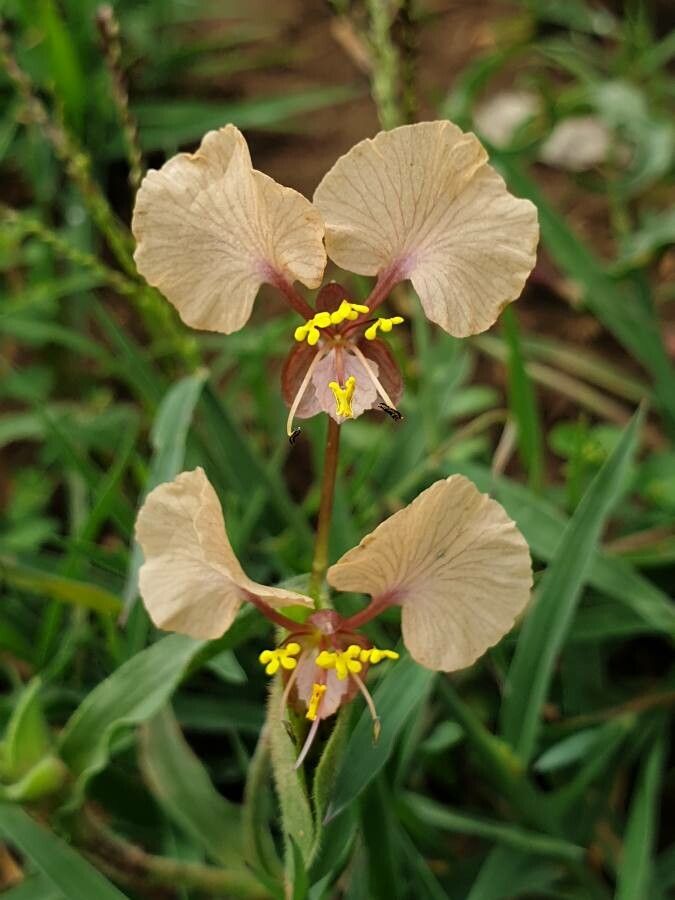
Hello, fellow plant lovers! Today, we’re diving into the wonderful world of Commelina reptans, often called the Trailing Spiderwort. If you’ve ever admired its beautiful, trailing stems adorned with delicate, sky-blue to violet flowers, you know it’s a real charmer. And the best part? It’s surprisingly easy to multiply! Getting more of these lovely plants to share or fill out your garden is incredibly rewarding. For beginners, this is a fantastic plant to start with. You’ll feel like a seasoned pro in no time.
The Best Time to Start
My favorite time to propagate Commelina reptans is during its active growing season, which generally falls in late spring through summer. This is when the plant is naturally putting on a lot of growth, and cuttings taken during this period have the highest chance of success. You’ll see lots of new shoots and healthy green leaves, which are perfect candidates for propagation.
Supplies You’ll Need
Gathering your tools beforehand makes the whole process smoother. Here’s what I usually have on hand:
- Sharp Pruning Shears or Scissors: Clean cuts are essential for healthy starts.
- Small Pots or Containers: 3-4 inch pots are ideal. Make sure they have drainage holes!
- Well-Draining Potting Mix: A good blend of potting soil, perlite, and a bit of coco coir works wonders. You want it to dry out reasonably well between waterings.
- Rooting Hormone (Optional but Recommended): This can give your cuttings a little boost.
- Watering Can or Spray Bottle: For gentle watering.
- Plastic Bag or Propagator: To create a humid environment.
Propagation Methods
There are a couple of ways to get more Commelina reptans, and both are pretty foolproof.
1. Stem Cuttings: My Go-To Method
This is by far the easiest and most popular way to propagate this plant.
- Select a healthy stem: Look for a mature stem that’s not flowering and has plenty of leaves. Aim for a piece that’s about 4-6 inches long.
- Make the cut: Using your clean pruning shears, cut the stem just below a leaf node. This is the bump on the stem where a leaf emerges – it’s where roots love to form.
- Prepare the cutting: Gently remove the lower leaves from the cutting. You want to expose a few leaf nodes. If your cutting is long, you can pinch off the very tip to encourage branching later.
- Dip in rooting hormone (optional): If you’re using rooting hormone, dip the cut end of the stem into it, tapping off any excess.
- Pot it up: Fill your small pot with your prepared potting mix. Make a small hole in the center with your finger or a pencil.
- Plant the cutting: Insert the cut end of the stem into the hole, making sure at least one or two leaf nodes are buried beneath the soil surface. Gently firm the soil around the stem.
- Water gently: Water thoroughly until you see water draining from the bottom of the pot.
- Create humidity: Place the pot inside a plastic bag or propagator. You can also cover it loosely with a clear plastic dome. This keeps the humidity high, which is crucial for cuttings before they develop roots. Make sure the leaves don’t touch the plastic if possible, as this can encourage rot.
2. Water Propagation: Watching Roots Appear
Sometimes, I love the visual satisfaction of seeing roots develop in water.
- Take cuttings as described above. You can even take pieces that are just a few inches long.
- Remove lower leaves so that only the leaf nodes that will be submerged are bare.
- Place cuttings in a jar or vase of clean water. Ensure the leaf nodes are submerged.
- Position the jar in bright, indirect light.
- Change the water every few days to keep it fresh and prevent stagnation.
- You should see tiny white roots emerging from the leaf nodes within a couple of weeks. Once the roots are about an inch long, you can carefully plant them in potting mix as you would a stem cutting.
The “Secret Sauce” (Pro Tips)
Here are a few little tricks I’ve picked up over the years that can really make a difference:
- Bottom Heat is Your Friend: If you want to speed things up, especially if your house isn’t super warm, placing your pots on a propagation mat set to a low temperature (around 70-75°F / 21-24°C) can be a game-changer. It encourages roots to develop much faster.
- Don’t Overwater the Cuttings: While they need some moisture, soggy soil is the enemy of cuttings. Let the top inch of soil dry out slightly between waterings. Overwatering is one of the quickest ways to invite rot.
- Patience with the Tip Pinch: When you take a stem cutting, don’t be afraid to pinch or snip off the very tip. This encourages the plant to branch out from the leaf nodes below, leading to a bushier, fuller plant once it’s established.
Aftercare & Troubleshooting
Once your cuttings have developed a good root system – you’ll know because they’ll start to push upwards slightly in the pot, or you might see new growth – it’s time for them to become independent plants.
- Gradually acclimate them: If you had them covered, slowly remove the plastic over a few days to get them used to ambient humidity.
- Water regularly: Continue to water them when the top inch of soil feels dry.
- Provide bright, indirect light: They’ll love a spot that gets plenty of light but isn’t scorched by direct sun.
Now, what if things don’t go as planned? The most common issue is rot, where the stem turns mushy and black. This usually happens from too much moisture or poor air circulation. If you see this, unfortunately, that cutting is likely lost. Discard it immediately to prevent it from spreading. Another sign of trouble is if the leaves start to yellow and droop significantly without any new growth appearing after a few weeks – this could mean the cutting wasn’t viable or the conditions aren’t right. Don’t get discouraged; just try again with fresh cuttings!
Let’s Get Growing!
Propagating Commelina reptans is a delightful and easy way to expand your plant collection. It’s a joy to nurture a new life from a simple stem. Be patient with the process, observe your cuttings, and don’t be afraid to experiment. Soon, you’ll have an abundance of these gorgeous blue-flowered beauties to enjoy. Happy propagating!
Resource:
https://identify.plantnet.org/k-world-flora/species/Commelina%20reptans%20Brenan/data