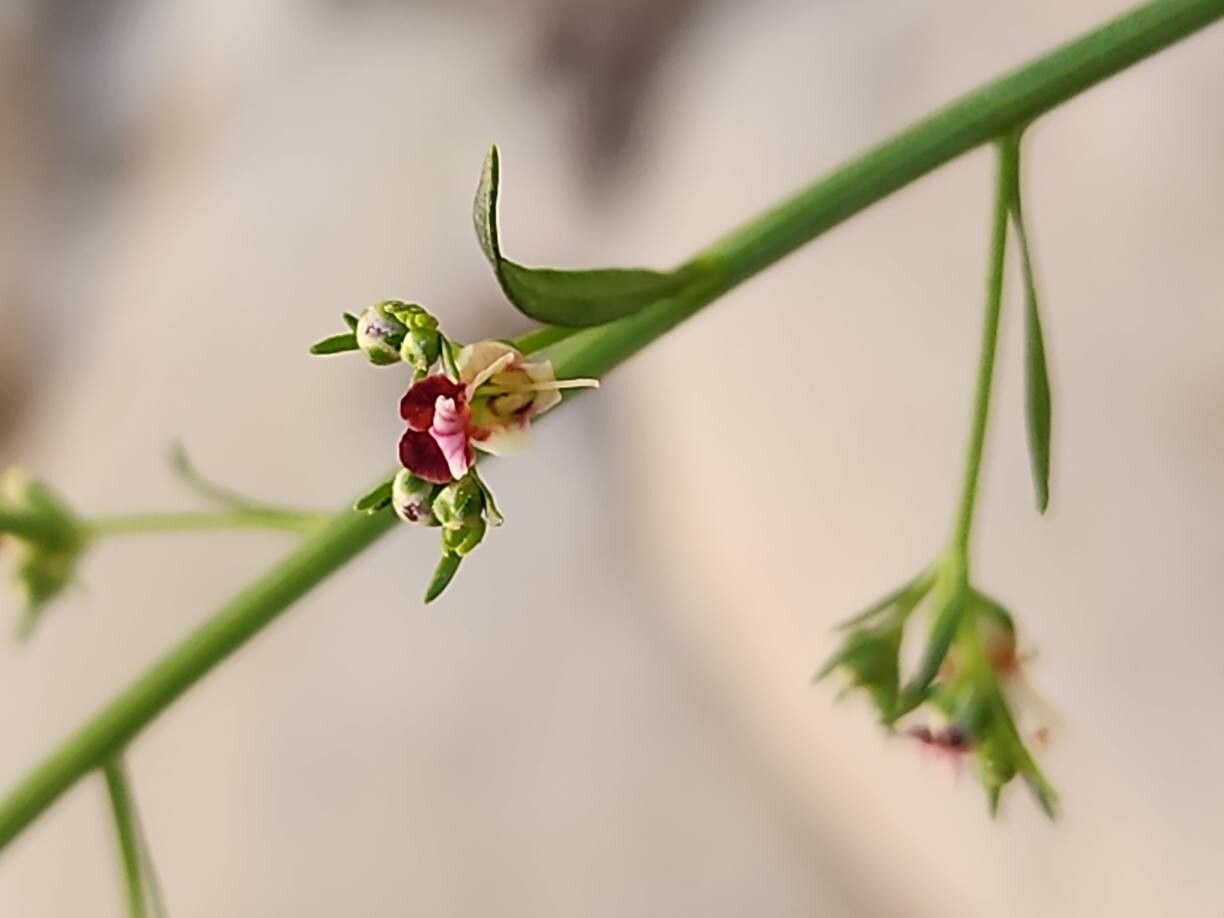
Hello fellow garden lovers! It’s so good to be connecting with you today. I want to chat about a plant that’s been a quiet star in my garden for years: Scrophularia striata. If you love those lovely, often subtly colored blooms that attract beneficial insects, and graceful, architectural foliage, then you’re going to adore this one. Propagating Scrophularia striata might sound a bit technical, but honestly, it’s a remarkably rewarding process once you understand its rhythm. While it’s not the absolute easiest plant to start from scratch, with a little care and the right approach, even beginners can achieve success. It’s a fantastic way to share this beauty with friends or simply expand your own collection without breaking the bank.
The Best Time to Start
For Scrophularia striata, timing is everything. I find the sweet spot for propagating is late spring to early summer. This is when the plant is actively growing and has plenty of energy to put towards rooting. You want to catch it before it gets too stressed by intense heat or the end-of-season slowdown. Look for stems that are new and flexible, not woody or brittle.
Supplies You’ll Need
Gathering your tools beforehand makes the entire process much smoother. Here’s what you’ll want on hand:
- Sharp pruning shears or a clean knife: For taking cuttings. Sterilize them with rubbing alcohol to prevent disease.
- Rooting hormone (optional but recommended): This gives your cuttings an extra boost. Look for one formulated for softwood or semi-hardwood cuttings.
- Well-draining potting mix: A good blend of perlite, peat moss, and a bit of compost works wonders. You can also buy pre-made succulent or seed-starting mixes.
- Small pots or trays: Clean containers with drainage holes are essential.
- Plastic bags or a propagation dome: To create a humid environment.
- Watering can with a fine rose: For gentle watering.
Propagation Methods
There are a couple of ways I like to multiply my Scrophularia striata, but stem cuttings are my go-to for ease and reliability.
Stem Cuttings:
- Select your cuttings: Choose healthy, non-flowering shoots that are about 4-6 inches long. Look for stems that are flexible but firm – think pencil-lead thickness.
- Make the cut: Using your clean shears or knife, make a cut just below a leaf node (where a leaf attaches to the stem). This is where roots are most likely to form.
- Prepare the cutting: Gently remove the lower leaves from the cutting, leaving just a couple of sets of leaves at the top. This helps prevent them from rotting in the soil.
- Apply rooting hormone (optional): Dip the cut end into your rooting hormone powder, tapping off any excess.
- Plant the cutting: Moisten your potting mix, then insert the cutting into a small pot filled with the mix. Gently firm the soil around the base.
- Create humidity: Water the pot gently, then cover it with a plastic bag, making sure the leaves don’t touch the sides too much, or place it under a propagation dome.
- Provide light and warmth: Place the pot in a bright spot with indirect light. A bit of bottom warmth can speed things up, but it’s not strictly necessary for Scrophularia striata in good conditions.
The “Secret Sauce” (Pro Tips)
Here are a couple of tricks I’ve learned over the years that really make a difference:
- Don’t waterlog: This is crucial. While humidity is vital, soggy soil is the enemy of most cuttings. Let the top layer of soil dry out slightly between waterings. If you’re using a plastic bag, sometimes a little condensation means you have enough humidity, and you don’t need to open it to water.
- Bottom heat helps: If you have a propagation mat, placing your pots on it can really encourage root development. It mimics the stable warmth of a greenhouse and can significantly reduce rooting time. You don’t need it scorching hot, just gently warm.
Aftercare & Troubleshooting
Once you see new leaf growth or gently tug on a cutting and feel resistance, it’s a good sign that roots have formed. Carefully remove the plastic cover or dome and gradually introduce your new plant to less humid conditions over a week or two. Continue watering as needed, allowing the soil to dry out slightly between waterings.
The most common issue you might encounter is rot. If your cuttings turn black and mushy, they’ve likely succumbed to too much moisture. Don’t be discouraged! Just clean your pots thoroughly and try again, being more mindful of watering. Sometimes, a cutting might just fail to root, and that’s okay too. It’s a numbers game, and not every attempt will be a slam dunk.
A Encouraging Closing
Propagating plants is a journey of patience and observation. Savor the process of nurturing these little cuttings into established plants. Don’t get discouraged by setbacks; they’re just learning opportunities. With a little practice, you’ll be an expert in no time, and your garden—and your friends’ gardens—will be all the more beautiful for it. Happy propagating!
Resource:
https://identify.plantnet.org/k-world-flora/species/Scrophularia%20striata%20Boiss./data