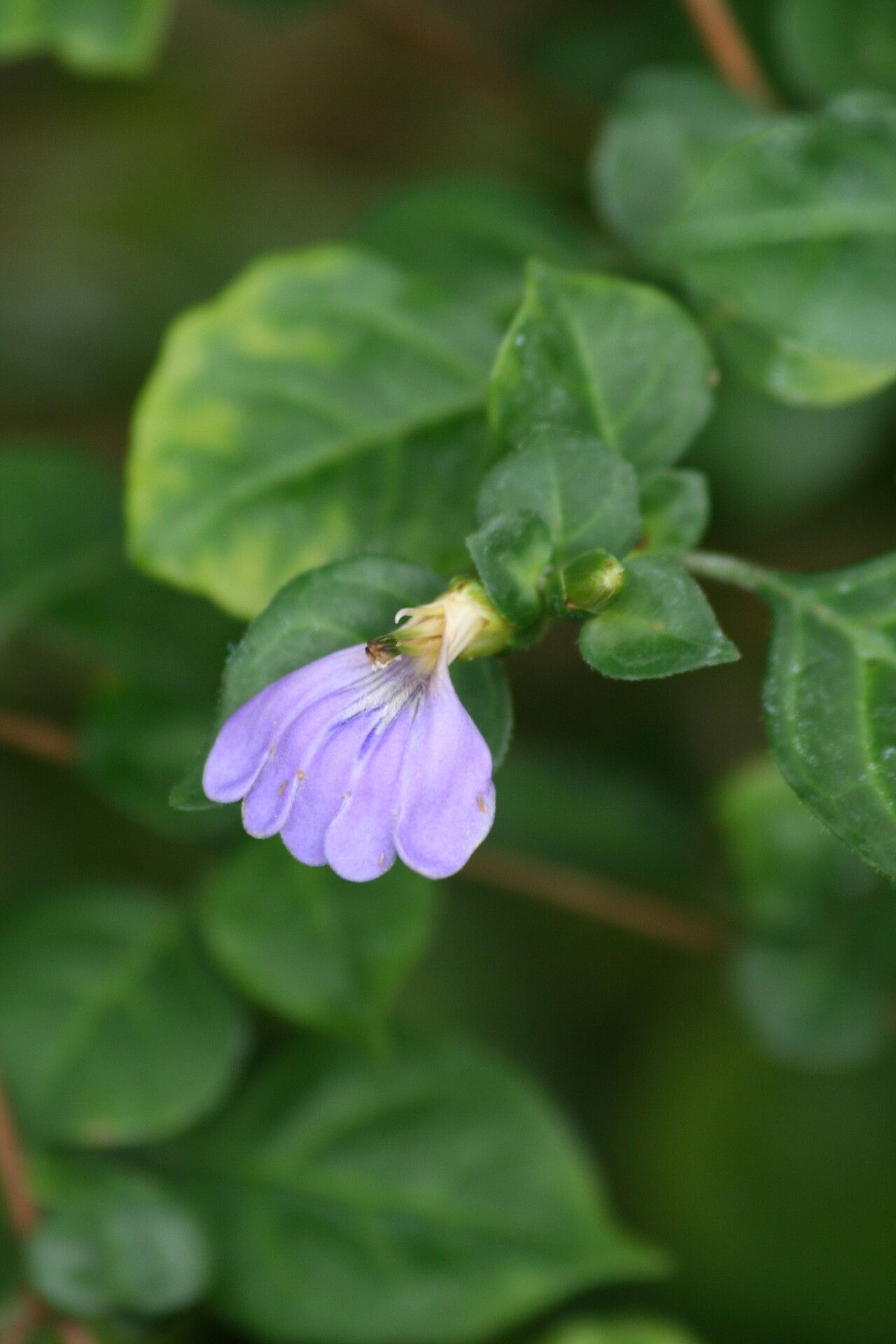
Hello fellow garden enthusiasts! Today, I want to talk about a plant that truly brightens my days: Sclerochiton harveyanus. You might know it as the blue butterfly bush, and oh, what a delightful name it is. Its delicate, sky-blue flowers are a true spectacle, especially when they cascade their blooms. Propagating these beauties is incredibly rewarding. You get to multiply that joy, and it’s a far more achievable goal than some might think! For those just starting out, while it’s not as simple as a pothos, it’s definitely within reach with a little care and attention.
The Best Time to Start
My go-to time for taking cuttings from Sclerochiton harveyanus is late spring to early summer. This is when the plant is actively growing, and its stems have matured a bit. You’re looking for semi-hardwood cuttings – stems that are firm but not woody. They’ll snap cleanly when bent, rather than just bending limp. Waiting until the plant has finished its main flush of spring growth is key.
Supplies You’ll Need
To give your cuttings the best chance, gather these items:
- Sharp, clean pruning shears or a craft knife: For making precise cuts. Cleanliness prevents disease!
- Rooting hormone powder or gel: While not strictly essential for every cutting, it significantly boosts success rates.
- Well-draining potting mix: A good blend is equal parts perlite, coco coir, and a bit of compost. You can also buy specialized seed-starting or cutting mixes.
- Small pots or trays: Clean ones, at least 4-inch pots, are ideal.
- Plastic bags or clear propagation domes: To create a humid environment.
- Water spray bottle: For misting.
- Labels: So you don’t forget what you planted where!
Propagation Methods: Stem Cuttings
Stem cuttings are my absolute favorite for Sclerochiton harveyanus. Here’s how I do it:
- Take the Cuttings: In the late spring or early summer, select healthy, non-flowering stems. Cut pieces that are about 4-6 inches long. Make your cut just below a leaf node (where a leaf attaches to the stem).
- Prepare the Cuttings: Gently strip off the lower leaves, leaving just a couple at the very top. This prevents them from rotting in the soil.
- Apply Rooting Hormone: Dip the cut end of each stem into the rooting hormone, tapping off any excess. This creates a sort of “fertilizer bandage” for the stem.
- Plant the Cuttings: Fill your clean pots with the well-draining potting mix. Make a small hole with a pencil or your finger and insert the cutting, ensuring the leaf nodes are buried. Gently firm the soil around the cutting.
- Water and Cover: Water the soil thoroughly until it drains from the bottom. Then, cover the pot with a clear plastic bag, propped up with sticks or secured with a rubber band so it doesn’t touch the leaves. Alternatively, use a propagation dome.
The “Secret Sauce” (Pro Tips)
Here are a couple of tricks I’ve picked up over the years that make a real difference:
- Bottom Heat is Your Friend: If you can, place your pots on a heat mat designed for seedlings or cuttings. Sclerochiton harveyanus loves a bit of warmth from below. It encourages root development far more effectively than just relying on ambient room temperature.
- Don’t Over-Mist: While humidity is crucial, don’t let the soil become waterlogged. A light misting every few days, or whenever the surface begins to dry out and the plastic bag looks a bit dull, is usually sufficient. Too much moisture, even with good drainage, can lead to rot.
Aftercare & Troubleshooting
Once your cuttings are planted, place them in a bright, indirect light location. Avoid direct sunlight, which can scorch those tender new cuttings. Keep an eye on the moisture level, ensuring the soil is consistently moist but not soggy.
You’ll know your cutting is rooting when you see new leaf growth appearing. This can take anywhere from 4 to 8 weeks, or sometimes longer. Gently tugging on the cutting – if there’s resistance, roots have formed!
Now, on to troubleshooting. The most common issue is rot. If you notice your cuttings turning black and mushy, it’s usually a sign of too much moisture and/or poor air circulation. Remove any rotting cuttings immediately to prevent it from spreading. If they just refuse to root, don’t be discouraged! Sometimes the conditions just aren’t quite right, or it might be an off-year for that particular stem.
A Gentle Closing
Propagating plants is a journey of learning and patience. There will be successes, and there will be times where things don’t quite work out as planned. That’s part of the gardening dance! Don’t be afraid to experiment, observe your plants, and most importantly, enjoy the process of nurturing new life. Happy propagating!
Resource:
https://identify.plantnet.org/k-world-flora/species/Sclerochiton%20harveyanus%20Nees/data