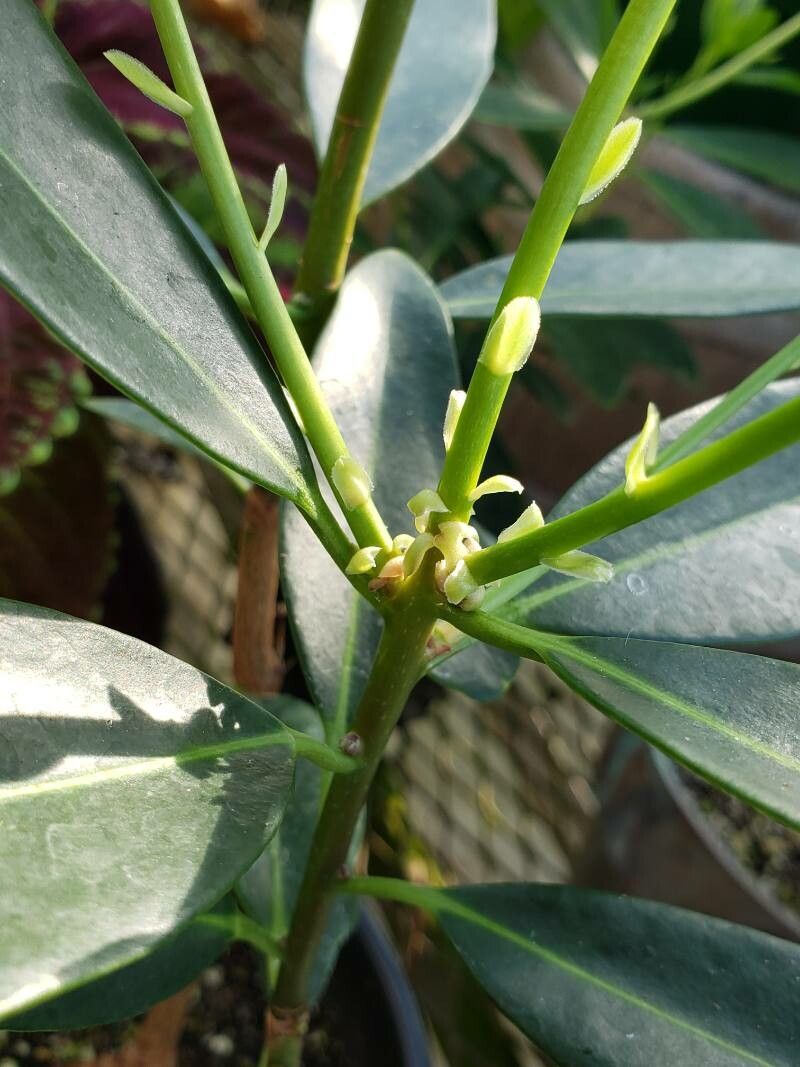
Hello there, fellow plant lover! Today, we’re diving into the wonderful world of propagating Illicium parviflorum, often called Yellow Anise or Florida Anise. If you’ve ever admired its glossy, evergreen foliage and its subtle, sweet fragrance, you know it’s a real gem for any garden. Growing new plants from cuttings or divisions is such a satisfying endeavor. It’s a fantastic way to share a beloved plant with friends, fill in bare spots, or simply expand your own green collection without breaking the bank.
Now, I’ll be honest, Illicium parviflorum isn’t quite as straightforward to propagate as some of your more common houseplants. It can be a little finicky, which makes that eventual success all the sweeter! But with a bit of care and the right approach, you absolutely can do it.
The Best Time to Start
For the highest success rate, I find that late spring into early summer is your golden window. This is when the plant is actively growing, and those new shoots have a bit of woody material to them – not too soft and not too hard. Think of it as the plant saying, “I’m full of energy, let’s make more of me!”
Supplies You’ll Need
Gathering your tools beforehand makes the whole process much smoother. Here’s what I usually have on hand:
- Sharp Pruning Shears or a Craft Knife: Cleanliness is key!
- Rooting Hormone: A good quality powder or gel works wonders.
- A Well-Draining Potting Mix: I like a 50/50 blend of perlite and a good quality potting soil, or a specific seed-starting mix.
- Small Pots or Trays: Clean, with drainage holes, of course.
- Plastic Bag or Dome: To create a humid environment.
- A Spray Bottle: For misting.
- Bottom Heat (Optional but Recommended): A heat mat can significantly speed up root development.
Propagation Methods
Let’s talk about getting you some new Illicium plants!
Stem Cuttings
This is my go-to method for Illicium parviflorum.
- Take Your Cuttings: Select healthy, semi-hardwood stems from your mature plant. Look for shoots that have grown this year and feel firm but still have a little flexibility. You want cuttings about 4-6 inches long.
- Prepare the Cuttings: Using your clean shears, make a cut just below a leaf node (where a leaf attaches to the stem). Remove the lower leaves, leaving just a few at the top. This prevents them from rotting in the soil.
- Apply Rooting Hormone: Dip the cut end of each cutting into your rooting hormone, tapping off any excess.
- Plant the Cuttings: Make a small hole in your prepared potting mix with a pencil or your finger. Insert the cutting, ensuring the rooting hormone stays in contact with the soil. Gently firm the soil around the base.
- Create Humidity: Water the soil lightly. Then, cover the pots with a clear plastic bag or a propagation dome. This traps moisture, which is crucial for cuttings.
- Provide Light and Warmth: Place the pots in a bright spot with indirect light. If you have a heat mat, place the pots on it now.
Division (Less Common for Beginners, but Possible)
If your Illicium is a larger, clump-forming shrub, you might be able to divide it.
- Gently Excavate: In early spring, carefully dig up the entire plant.
- Separate the Roots: Gently tease apart the root ball into smaller sections, making sure each section has plenty of healthy roots and some top growth. You might need a clean spade or knife to help if it’s a dense clump.
- Replant Immediately: Plant each division into its new home or into a pot with fresh potting mix. Water thoroughly.
The “Secret Sauce” (Pro Tips)
Here are a few things I’ve learned over the years that really make a difference:
- Don’t Let Leaves Touch the Water/Soil: If you’re doing any kind of propagation where there might be standing water or the leaves are touching soil, ensure they are above that line. Rot is the enemy, and this helps prevent it. For stem cuttings, ensure none of the stripped lower leaves are buried.
- Bottom Heat is Your Best Friend: Seriously, if you can swing a heat mat, do it. It mimics the warmth of spring soil and encourages those roots to form much, much faster. You’ll see results in weeks, not months!
- The “Scratch Test” is Your Signal: To check if your cutting is rooting, gently scratch a tiny bit of the outer bark with your fingernail near the base. If you see green underneath, it’s alive! If it’s brown and dry, it’s likely not going to make it.
Aftercare & Troubleshooting
Once you see signs of new growth, like tiny leaves unfurling at the tip, that’s a good indication that roots are forming.
- Gradual Acclimation: Don’t yank off the humidity dome immediately. For a week or so, gradually open the bag or vent the dome a little more each day. This helps the new plant adjust to drier air.
- Move to the Right Spot: Once acclimated, keep them in bright, indirect light. Avoid direct sun, which can scorch tender new growth.
- Watering: Water when the top inch of soil feels dry. Avoid overwatering, as this is the quickest way to invite root rot.
The most common sign of failure is the cutting turning brown and brittle, or developing mushy, black spots (rot). If you see rot starting, it’s usually best to discard that cutting and start again. Sometimes, it’s just a matter of experimenting with timing or the type of stem you choose.
A Encouraging Closing
Propagating plants is a journey, and patience is definitely a virtue. Don’t get discouraged if your first attempt isn’t a roaring success. Each cutting you take is a learning opportunity. Keep trying, observe your plants, and most importantly, enjoy the process of coaxing new life from your cherished Illicium parviflorum. Happy propagating!
Resource: