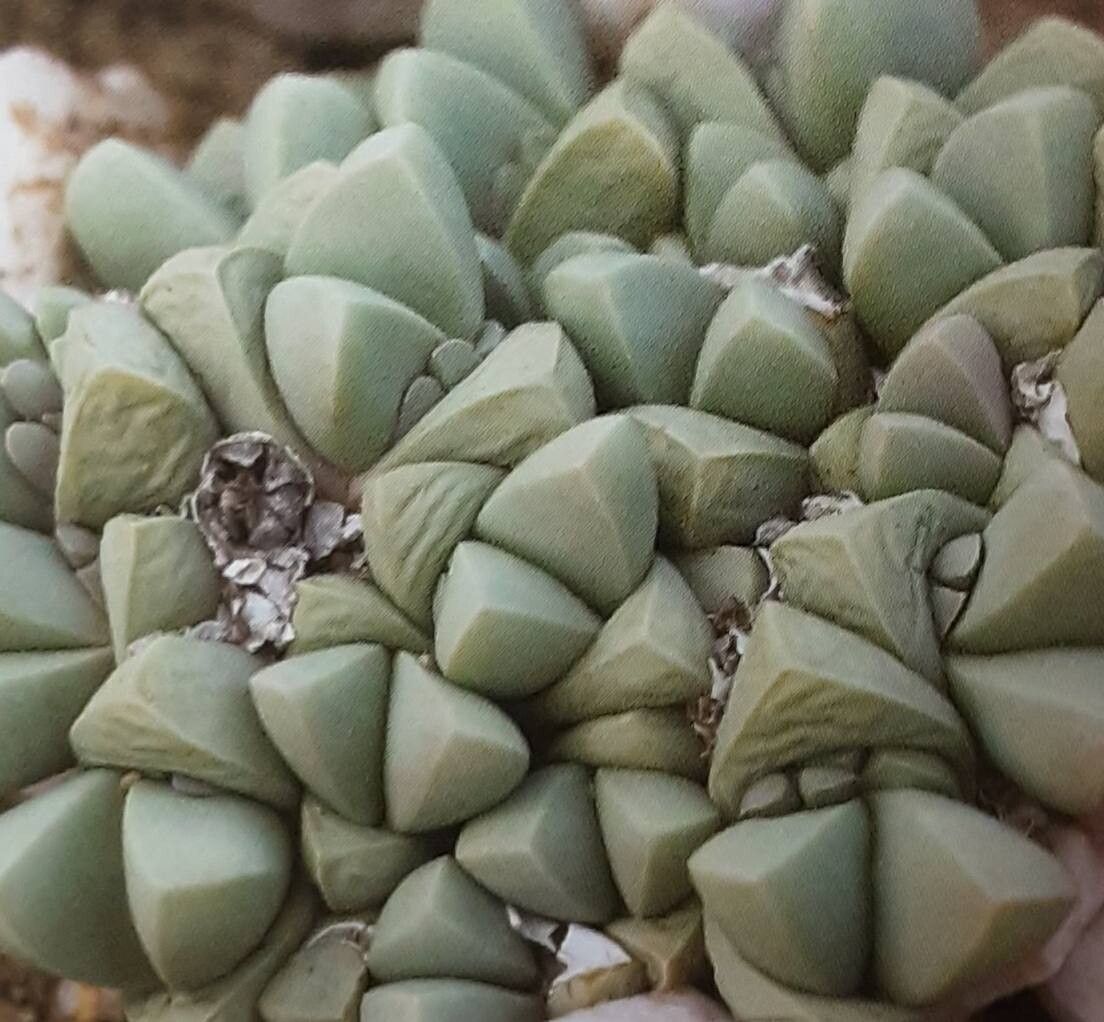
Hey there, fellow plant lovers! Today, we’re diving into the wonderful world of propagating Gibbaeum petrense. If you’ve ever seen these charming little living stones, you know they have a unique appeal. They look like smooth, grey pebbles, often clustering together, and when they flower, it’s like a tiny, unexpected jewel pops out. For me, propagating them is like unlocking a little bit of my garden’s magic to share. It’s incredibly rewarding to see a tiny piece of a plant transform into a whole new, thriving specimen. Now, I won’t sugarcoat it: Gibbaeum petrense can be a tad bit fussy for absolute beginners. But with a little patience and these tips, you’ll be well on your way!
The Best Time to Start
When it comes to these succulents, spring is your golden ticket. As the days get longer and temperatures rise gently, the plant is entering its active growth phase. This is when it’s most vigorous and has the best energy reserves to put into developing new roots. Trying to propagate in the heat of summer or the cool of winter can significantly lower your success rate. You’re looking for active, plump growth – no shriveled or dehydrated bits, please!
Supplies You’ll Need
Gathering your tools ahead of time makes the whole process smoother. Here’s what I always have on hand:
- Well-draining potting mix: I usually go for a cactus or succulent blend, or I make my own by mixing one part potting soil with one part coarse sand and one part perlite.
- Sharp, clean pruning shears or a craft knife: Sterilize them with rubbing alcohol before you begin to prevent disease.
- Rooting hormone (optional but helpful): A powder form works well.
- Small pots or seed trays: With drainage holes, of course!
- Gravel or small pebbles: For top dressing on the potting mix.
- A spray bottle: For gentle misting.
- A bright spot with indirect light: Think a windowsill that doesn’t get scorching afternoon sun.
Propagation Methods
There are a couple of ways to go about this, but division is often the most straightforward for Gibbaeum petrense.
Division: Splitting Up the Family
This is my go-to method when a Gibbaeum petrense plant has started to form a nice cluster.
- Gently unpot the mother plant. Try to do this when the soil is slightly dry, as it makes it easier to work with.
- Carefully tease apart the offsets. You’re looking for younger plantlets that have naturally separated from the main body. Sometimes, you can see where they’ve already started to form their own root system. You can use your fingers or a small, blunt tool to gently loosen them.
- Inspect the divisions. Make sure each piece has at least one or two leaves and, ideally, some tiny roots already attached. If there are any damaged or mushy parts, gently trim them away with your sterilized shears.
- Allow the cuts to callous over. This is super important! Set the divisions aside in a dry, well-ventilated spot for a day or two. This helps prevent rot when you plant them.
- Pot them up. Fill your small pots with your special well-draining mix. Make a small hole in the center and gently place the division inside, making sure the roots are spread out as much as possible. Bury them just deep enough to be stable.
- Lightly water. Give them a very gentle watering – just enough to settle the soil around the roots.
The “Secret Sauce” (Pro Tips)
Here are a few things I’ve learned over the years that make a big difference.
- Don’t overwater, ever! This is the cardinal rule for succulents, especially when they don’t have established roots. It’s better to underwater slightly than to succumb to rot. I usually wait until the soil is thoroughly dry before watering again, and then I do it sparingly.
- Consider bottom heat. If you’re propagating in a cooler environment or are just looking for an extra boost, a propagation mat can work wonders. It provides gentle warmth to the soil, encouraging root development without drying out the plant itself.
- Patience is key. These aren’t fast growers. You might not see significant new growth for several weeks, or even a couple of months. Resist the urge to dig them up and check for roots constantly! Trust the process.
Aftercare & Troubleshooting
Once your divisions are potted, place them in a spot with bright, indirect light. Avoid direct sun, which can scorch their delicate young leaves. Keep them on the drier side, watering only when the soil is completely dry.
The first signs of success will be a general plumping up of the leaves and, eventually, visible new growth. If you notice leaves turning mushy, translucent, or developing dark, soft spots, that’s a clear indicator of rot. Unfortunately, severely rotted plants are often beyond saving. If you catch it early, you might be able to cut away the affected parts and try to let the healthy bits callous and regrow, but it’s a tough battle. Another sign of failure to watch for is if the plant just seems to shrink and shrivel, which could mean it’s not getting enough moisture or that the roots are struggling.
A Encouraging Closing
Propagating Gibbaeum petrense is a journey that rewards patience and observation. Don’t be discouraged if your first attempt isn’t perfect. Each plant is a little different, and learning their quirks is part of the fun. Keep practicing, stay observant, and you’ll soon be sharing these little living stones with friends. Happy gardening!
Resource:
https://identify.plantnet.org/k-world-flora/species/Gibbaeum%20petrense%20(N.E.Br.)%20Tischler/data