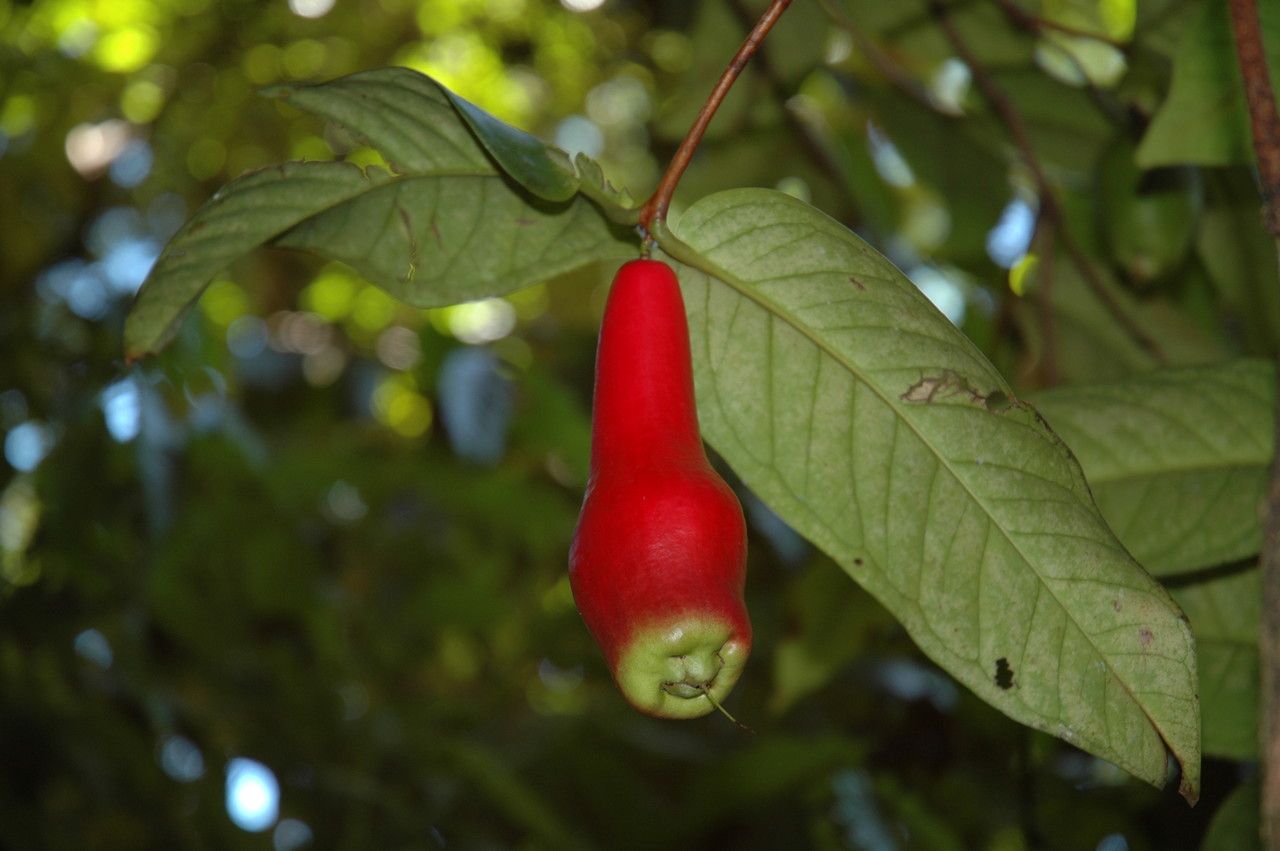
Oh, hello there! Come on in, let’s chat about Syzygium coarctatum. If you’ve ever seen one of these beauties, you’ll know why I’m so smitten. It’s got those lush, glossy leaves and a growth habit that just screams tropical paradise. And the best part? You can actually create more of them right in your own home. Growing new plants from cuttings or divisions is one of my favorite gardening joys. It’s like unlocking a little bit of magic, isn’t it? For Syzygium coarctatum, I’d say it’s moderately easy, perfect for someone ready to step up their propagation game a little.
Let’s talk about the perfect moment to get started. For stem cuttings, the absolute best time is during the plant’s active growing season. That usually means late spring or early summer for most of us. You’re looking for new, but not-too-young, growth. Think slightly firm stems, not floppy and soft, but not woody and old either. That sweet spot will give you the best chance for quick root development.
Before we get our hands dirty, let’s gather our essential tools. You’ll want to have these ready to go:
- Sharp pruning shears or a clean, sharp knife: Gentleness is key here.
- Potting mix: A good, well-draining mix is crucial. I often use a blend of perlite and peat moss, about a 50/50 ratio. Some people love adding a bit of orchid bark for extra aeration.
- Rooting hormone (optional but helpful): This powder or gel can give your cuttings a significant boost.
- Small pots or propagation trays: Clean and with drainage holes, of course.
- Plastic bags or a propagation dome: To create a humid environment.
- Water: For watering and perhaps a bit of water propagation.
Now, let’s dive into how we’ll create new Syzygium coarctatum babies.
Stem Cuttings: My Go-To Method
This is probably the most reliable way to propagate Syzygium coarctatum.
- Select your cutting: Look for a healthy stem that’s about 4-6 inches long and has at least a few sets of leaves. Make a clean cut just below a leaf node (that’s the spot where a leaf attaches to the stem).
- Prepare the cutting: Gently remove the lower leaves, leaving just two or three at the very top. This prevents them from rotting when you plant. If you’re using rooting hormone, dip the cut end into the powder or gel now.
- Plant your cutting: Fill your small pot with your well-draining potting mix. Make a small hole with your finger or a pencil and gently insert the cut end of the stem. Firm the soil gently around it.
- Create humidity: Water the soil lightly, then cover the pot with a clear plastic bag or place it under a propagation dome. Make sure the leaves aren’t touching the plastic if you can help it.
Water Propagation (for the impatient!)
If you’re someone who likes to see progress, this is a fun one.
- Take your cutting: Follow the same steps as above for selecting and preparing your stem cuttings.
- Place in water: Put the cutting in a jar or glass of clean water. Make sure the leaf nodes are submerged, but not the leaves themselves.
- Change the water regularly: Every few days, refresh the water to keep it clean and oxygenated.
- Watch for roots: You should start seeing little white roots emerge from the nodes in a few weeks. Once the roots are about an inch long, you can carefully transplant them into your potting mix.
Division (for the established plant owner)
If you have a mature Syzygium coarctatum that’s looking a bit crowded, division is a great option.
- Gently remove the plant: Take your whole plant out of its pot.
- Inspect the root ball: You’re looking for natural divisions where roots are already somewhat separated.
- Separate the divisions: Use your hands or a clean trowel to gently pull the root ball apart. Try to ensure each new division has plenty of roots and at least one or two shoots.
- Repot: Plant each division into its own pot with fresh potting mix, just like a regular potted Syzygium.
Now for a couple of my little secrets, the things that often make the difference between a successful propagation and… well, not.
- Bottom Heat is Your Friend: This is a game-changer! Using a seedling heat mat under your pots or trays will significantly speed up root formation. It mimics the warmth of spring soil and gives those cuttings the energy they need to get going.
- Don’t Overwater: It’s so tempting to dote on those little cuttings, but soggy soil is the quickest way to invite rot. The goal is moist, not wet. Let the top inch of soil dry out slightly between waterings.
- Air Flow Matters: While we want humidity, stagnant air can also be a problem. Open the plastic bag or dome for a few minutes each day to allow for some air circulation. This helps prevent fungal issues.
Once you see those first signs of roots – pushing up through the soil or reaching out from your water-borne cuttings – it’s time for a little extra TLC.
Continue to keep the soil consistently moist but not waterlogged. If you used a plastic bag or dome, gradually acclimate your new plant to the drier air of your home by opening it up for longer periods each day over a week.
The most common sign of failure is rot. If your stem cuttings turn black and soft, or if the leaves start wilting and mushy, it’s likely due to too much moisture or a lack of airflow. Don’t be too discouraged; it happens to all of us! Just clean out the pot and try again. You might also see wilting if the cuttings are too dry, so keep an eye on that soil moisture.
And there you have it! Propagating Syzygium coarctatum is a rewarding journey. Be patient with your little green babies. Some take longer than others, but the success is so worth the wait. Happy propagating, and enjoy watching those new plants flourish!
Resource: