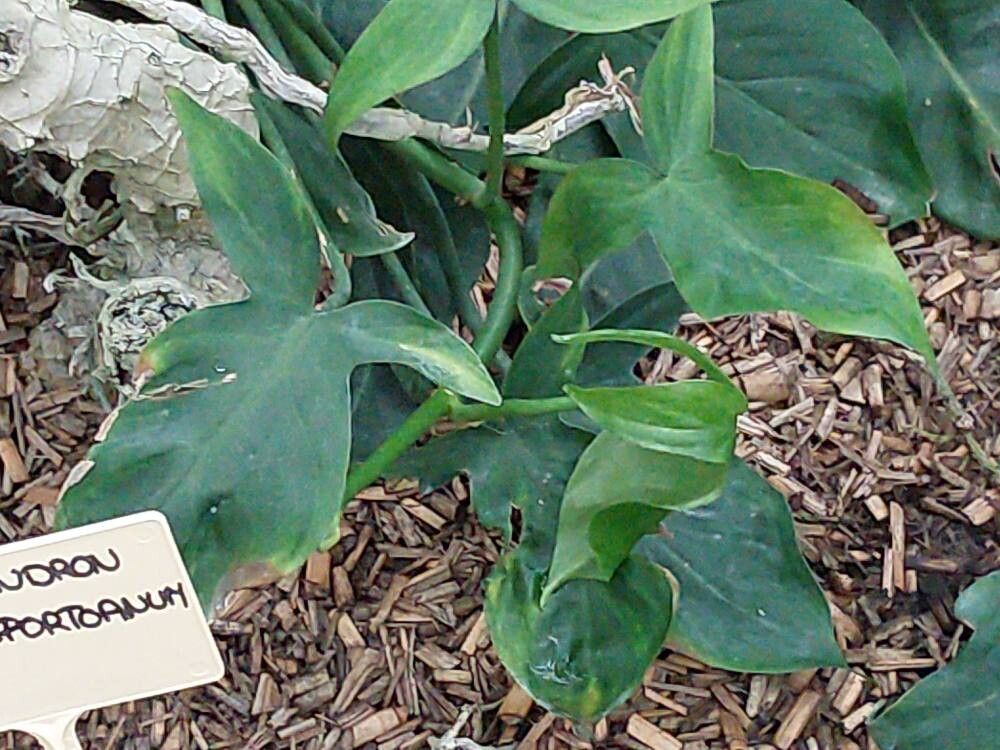
Oh, Philodendron camposportoanum! If you’re anything like me, you’ve probably fallen head over heels for those gorgeous, velvety, heart-shaped leaves. They have this wonderful way of unfurling in the most captivating shades of green and sometimes even a hint of bronze. And the best part? Sharing that beauty by propagating them is incredibly rewarding. It’s like spreading a little bit of green magic!
Now, as for ease, I’d say camposportoanum is moderately easy. It’s not the absolute beginner-friendliest aroid out there, but with a little attention and following a few key steps, you’ll be well on your way to success. Don’t let that deter you; it’s a really satisfying plant to propagate.
The Best Time to Start
My favorite time to get my hands dirty with propagating this beauty is during its active growing season. Think late spring through early fall. The plant is full of energy, producing new growth, and it’s just itching to put down new roots. Trying to propagate when the plant is dormant in winter is certainly possible, but you’ll likely find it takes much longer and has a lower success rate. So, let’s tap into that summertime vigor!
Supplies You’ll Need
Before we dive in, let’s gather our tools. Having everything ready makes the process smooth and enjoyable.
- Sharp Pruning Shears or a Clean Knife: For taking your cuttings. Sterilize them with rubbing alcohol before and after use to prevent disease.
- Rooting Hormone (Optional but Recommended): A powdered or gel form can give your cuttings a real boost and speed up root formation.
- Potting Medium: A well-draining mix is crucial. I like to use a blend of perlite, coco coir, and a bit of orchid bark. You can also use a standard houseplant potting mix with added perlite.
- Small Pots or Propagation Containers: Small nursery pots (3-4 inches) or even clear plastic cups work great. If using cups, make sure to poke drainage holes!
- Water: For water propagation, of course! Use distilled or filtered water if your tap water is very hard.
- Clear Plastic Bag or Humidity Dome: To maintain high humidity around your cuttings while they root.
- Misting Bottle: For keeping the humidity levels up if not using a dome.
Propagation Methods
Camposportoanum is wonderfully versatile, offering a couple of excellent propagation methods.
Stem Cuttings
This is my go-to method for camposportoanum. It’s efficient and often yields great results.
- Identify a Healthy Stem: Look for a mature, healthy stem on your plant that has at least one, ideally two, nodes. Nodes are those little bumps on the stem where a leaf or aerial root emerges. These are where the magic happens!
- Make Your Cut: Using your sterilized shears or knife, make a clean cut just below a node. You can take cuttings that include a leaf or two, but make sure there’s ample stem below the lowest leaf.
- Prepare the Cutting: Gently remove any lower leaves that might rot if submerged or buried in soil. You want to expose the node.
- Apply Rooting Hormone (Optional): Dip the cut end of the stem into your rooting hormone, tapping off any excess.
- Planting the Cutting:
- In Potting Mix: Fill your small pot with your prepared aroid mix. Make a small hole with your finger or a pencil and gently insert the cutting, ensuring the node is buried or at least in contact with the soil. Firm the soil gently around the stem.
- In Water: Place the cutting in a jar or glass of water, making sure the node is submerged. Don’t let the leaves dip into the water, as this can cause them to rot.
- Provide Humidity: Cover the pot with a clear plastic bag, creating a mini-greenhouse, or place it under a humidity dome. If you’re water propagating, you can just leave it out, but higher humidity always helps.
Division
If your camposportoanum has become a bit of a clump, division is a fantastic way to get more plants and give your main plant a refresh.
- Gently Remove from Pot: Carefully take your plant out of its pot.
- Inspect the Root Ball: Gently shake off some of the excess soil to get a good look at the roots and where the stems emerge.
- Separate the Divisions: Look for natural breaks where a stem has its own root system. You can often gently pull sections apart. If it’s a bit stubborn, use your clean knife or shears to carefully cut through the root ball, ensuring each new division has at least one or two healthy leaves and a good portion of roots.
- Pot Up Each Division: Pot each new division in its own container with fresh, well-draining potting mix. Ensure the roots are spread out and the plant is at a suitable planting depth.
The “Secret Sauce” (Pro Tips)
After years of tinkering, I’ve learned a few things that can really make a difference.
- Bottom Heat is Your Friend: For stem cuttings planted in soil, warmth from below is a game-changer. Pop your pot on a seedling heat mat. I’ve found that this significantly speeds up root development. It mimics the warmth of the soil in a greenhouse.
- Don’t Overwater: This is critical, especially with stem cuttings in soil. You want the potting mix to be consistently moist but not soggy. Soggy soil is a one-way ticket to rot for your precious cuttings. Check the moisture level by poking your finger into the soil an inch or two down.
- Aerial Roots are Gold: If your camposportoanum has developed aerial roots, don’t chop them off! These are already established pathways for water and nutrient uptake, and they can indicate a very healthy, vigorous stem that will likely root quickly. When taking cuttings, try to include an aerial root if possible.
Aftercare & Troubleshooting
Once your cuttings have developed a decent root system – you’ll see roots emerging from the drainage holes of the pot or the stems will feel more firmly established when gently tugged – it’s time for slightly less intense care.
- Transitioning: Gradually acclimate your new plants to their new environment. If they’ve been under a dome, slowly open it up over a few days to avoid shock.
- Watering: Water them as you would an established camposportoanum, allowing the top inch or two of soil to dry out between waterings.
- Light: Provide bright, indirect light. Avoid direct sun, which can scorch young leaves.
- Fertilizing: Once you see new leaf growth, you can start feeding them with a diluted liquid fertilizer every few weeks during the growing season.
Troubleshooting:
- Yellowing Leaves: This can be a sign of overwatering or underwatering. Check your soil moisture!
- Leaf Rot: If a leaf turns mushy and black, it’s usually rot. This often happens when leaves are kept wet for too long, either in the soil or in water propagation. Remove affected leaves immediately to prevent it from spreading.
- No Root Growth: Be patient! Some cuttings take longer than others. Ensure your environment is warm and humid enough. If after several weeks you see no progress, it might be time to try a new cutting.
A Little Encouragement
Creating new life from a cherished plant is one of the most fulfilling parts of gardening. Be patient with your cuttings, offer them a little extra care and warmth, and enjoy the process of watching them grow. Each new leaf, each new root, is a testament to your green thumb. Happy propagating, my friends!
Resource: