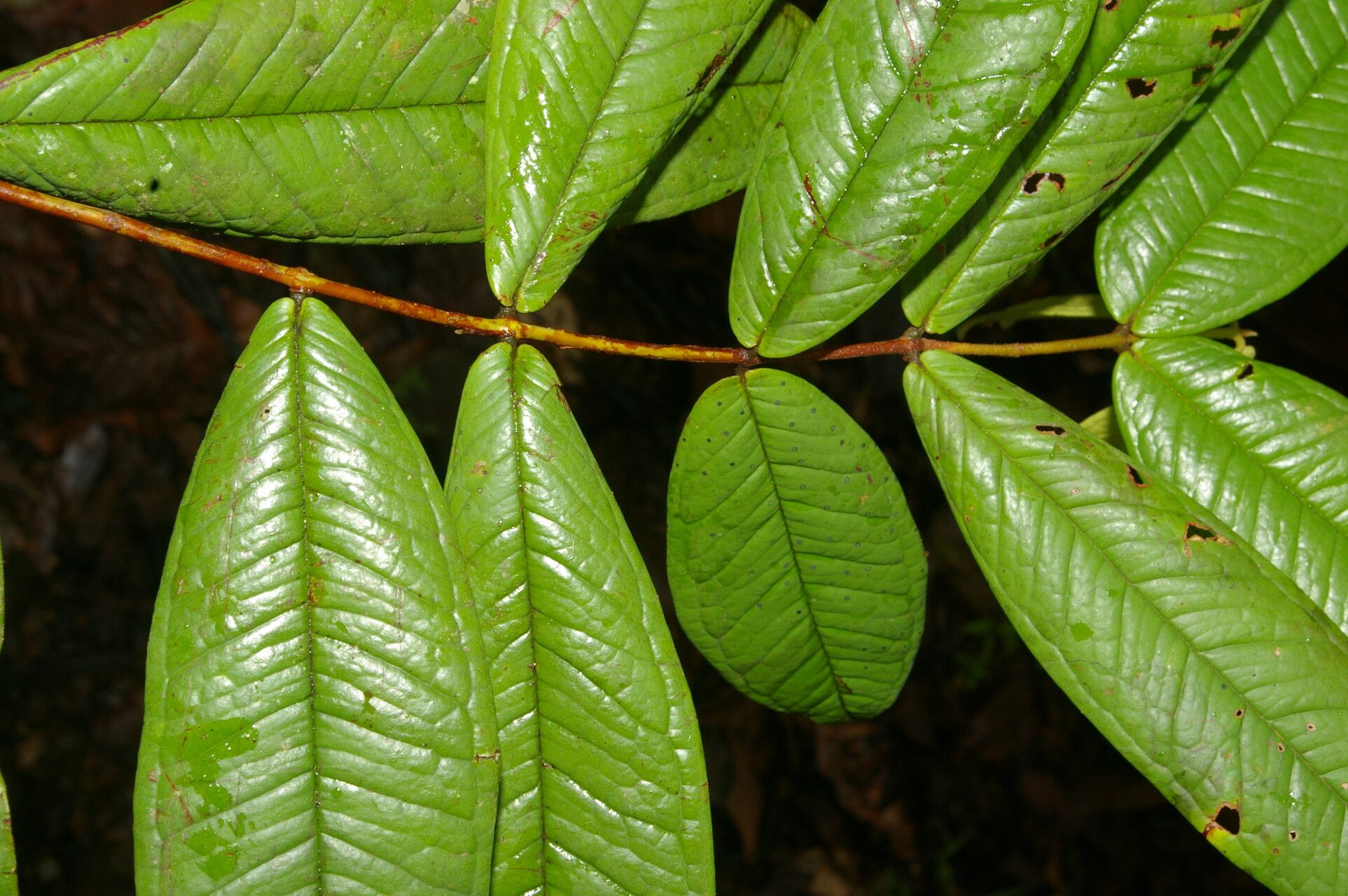
Oh, hello there! I’m so glad you’ve stopped by my little corner of the internet. Today, we’re going to talk about a truly delightful plant: Myrcia fusca. Also known as the Brazilian Myrtle, this beauty is a fantastic addition to any garden, especially if you appreciate its charming, glossy leaves and the occasional delicate bloom. It’s a plant that offers a real sense of accomplishment when you can create more of it yourself.
For many gardeners, propagating a plant for the first time can feel a bit daunting, I totally get that. But with Myrcia fusca, I find it to be a pretty rewarding experience. While not quite as “set it and forget it” as some of the rockstars of the plant world, it’s definitely not an impossible task for a beginner. With a little care and attention, you’ll be well on your way to a small jungle of your own!
The Best Time to Start
When it comes to getting the most bang for your propagation buck, spring and early summer are your golden ticket. This is when Myrcia fusca is actively growing and has plenty of energy to put into developing roots. You’re looking for stems that are semi-hardwood – meaning they’re not brand new, floppy growth, but also not woody old growth. Think of it as that stage where a stem is firm enough to snap cleanly but still has a little flexibility.
Supplies You’ll Need
Gathering your supplies before you start makes the whole process so much smoother. Here’s what I usually have on hand:
- Sharp Pruning Shears or a Clean Knife: You want to make clean cuts to avoid damaging the plant.
- Potting Mix: A well-draining mix is key. I often use a blend of peat moss, perlite, and a little bit of compost.
- Small Pots or Trays: Terracotta pots are nice as they breathe, but plastic ones work too. Make sure they have drainage holes!
- Rooting Hormone (Optional but recommended): This can really give your cuttings a boost. Look for one with I.B.A.
- Plastic Bags or a Propagating Dome: To create a humid environment.
- Gloves: For keeping your hands clean, especially if you’re using rooting hormone.
- Watering Can or Spray Bottle: For gentle watering.
Propagation Methods
Let’s get our hands dirty! For Myrcia fusca, stem cuttings are my go-to method. It’s straightforward and generally yields excellent results.
Stem Cuttings:
- Select Your Cuttings: Find those healthy, semi-hardwood stems I mentioned. Aim for pieces about 4-6 inches long.
- Make the Cut: Using your sharp shears or knife, make a clean cut just below a leaf node (where a leaf attaches to the stem). This is where root growth is most likely to occur.
- Prepare the Cuttings: Gently remove the leaves from the bottom half of the cutting. You can leave a couple of leaves at the top to help with photosynthesis, but don’t overcrowd it. If you’re using large leaves, I’d even trim those in half.
- Dip in Hormone (If using): If you’ve got rooting hormone, dip the cut end into the powder or gel. Tap off any excess.
- Plant Your Cuttings: Fill your pots or trays with your well-draining potting mix. Make a small hole with your finger or a pencil and gently insert the cut end of the stem. Firm the soil around it.
- Water Gently: Give the soil a good watering, but don’t make it soggy. You want it consistently moist.
- Create Humidity: Cover the pot or tray with a clear plastic bag, securing it around the rim with a rubber band. You can also use a propagating dome. This creates a mini greenhouse.
The “Secret Sauce” (Pro Tips)
Here are a few things I’ve learned over the years that really make a difference:
- Don’t Let the Leaves Touch the Water: If you’re trying water propagation (though I prefer soil for Myrcia fusca), a common mistake is letting the leaves sit in the water. This will cause them to rot and defeat the whole purpose. Always ensure only the stem is submerged.
- Bottom Heat is Your Best Friend: For stem cuttings, placing the pot on a gentle heat mat can significantly speed up root development. It mimics the warmth of the soil in summer and encourages roots to form from the bottom up.
Aftercare & Troubleshooting
Once your cuttings are planted and covered, patience is key! Keep them in a bright, indirect light location. Check the soil moisture every few days and mist the leaves if the humidity seems to be dropping.
You’ll know your cuttings are taking root when you see new growth appearing at the top or feel a gentle resistance when you tug lightly on the stem. This usually takes anywhere from 4 to 8 weeks, but sometimes longer.
The most common sign of trouble is rot. If you see your cuttings turning mushy or developing black spots, it usually means they’re getting too much water or not enough air circulation. Unfortunately, once rot sets in, it’s usually hard to save them. Just remove the affected cuttings, let the soil dry out for a bit, and try again with good air flow.
A Encouraging Closing
There you have it! Propagating Myrcia fusca is a beautiful way to share the joy of gardening. Don’t be discouraged if your first attempt isn’t perfect. Every gardener has their share of experiments that don’t quite work out. The most important thing is to enjoy the process, observe your plant, and learn as you go. Happy propagating!
Resource:
https://identify.plantnet.org/k-world-flora/species/Myrcia%20fusca%20B.Holst%20&%20M.L.Kawas./data