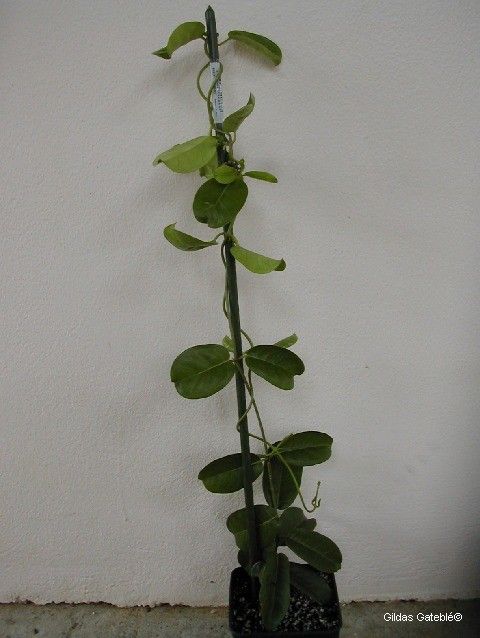
Hey there, fellow plant lovers! I’m so excited to chat with you today about one of my absolute favorites: Leichhardtia nigriflora, or as it’s sometimes affectionately known, Blackflower Wonga. Isn’t it just a stunner? Those deep, velvety flowers are like little jewels against its lush foliage. Plus, the way it drapes and cascades is just pure elegance. Growing new plants from your existing ones is incredibly satisfying, like unlocking a little bit of magic. And guess what? While Leichhardtia nigriflora can be a tiny bit finicky, I think with a little guidance, you’ll find it’s a truly rewarding plant to propagate. Don’t be intimidated; we’ll take it step by step!
The Best Time to Start
For the highest chance of success with Leichhardtia nigriflora, I always recommend waiting until spring or early summer. This is when the plant is actively growing and has plenty of energy to put into developing new roots. You want to work with healthy, vigorous stems, so avoid taking cuttings from a plant that looks stressed or is just finishing its flowering cycle.
Supplies You’ll Need
Here’s a quick rundown of what you’ll want to have on hand:
- Sharp Pruning Shears or a Clean Knife: For making clean cuts without crushing the stems.
- Rooting Hormone: This is a powdered or liquid product that encourages root development. I find the powder easiest to work with.
- Potting Mix: A well-draining mix is crucial. I like to use a blend of equal parts perlite and coco coir. You can also find pre-made cactus or succulent mixes that work well.
- Small Pots or Seedling Trays: Clean containers with drainage holes are a must.
- Clear Plastic Bags or a Mini Greenhouse: To create a humid environment.
- Optional: Bottom Heat Mat: This can significantly speed up the rooting process.
Propagation Methods
Let’s get our hands dirty! My go-to method for Leichhardtia nigriflora is taking stem cuttings.
- Select Your Cuttings: Gently inspect your established plant. Look for a healthy, non-flowering stem that’s about 4-6 inches long. Ideally, it should have a few sets of leaves.
- Make the Cut: Using your clean pruning shears or knife, make a cut just below a leaf node. A leaf node is that little bump on the stem where a leaf grows from. This is where roots are most likely to form.
- Prepare the Cutting: Carefully remove the lower leaves from the cutting, leaving just the top two or three at the very tip. If any leaves are very large, you can even cut them in half to reduce water loss.
- Apply Rooting Hormone: Dip the cut end of the stem into your rooting hormone. Tap off any excess. This step is really important for giving your cutting a head start.
- Potting Up: Fill your small pots with your well-draining potting mix. Make a small hole in the center with your finger or a pencil.
- Plant the Cutting: Gently insert the calloused end of the cutting into the hole, making sure the nodes where you removed the leaves are buried. Firm the soil gently around the stem to give it support.
- Water Gently: Water the soil lightly to settle it around the cutting.
- Create Humidity: Now, the crucial part! Cover the pot with a clear plastic bag or place it in a mini greenhouse. This will trap moisture and create the humid microclimate the cutting needs to thrive. If you’re using a plastic bag, try to ensure the leaves don’t touch the sides of the bag, as this can lead to rot.
The “Secret Sauce” (Pro Tips)
Here are a couple of my little tricks that often make a big difference:
- Bottom Heat is Your Friend: As I mentioned, a bottom heat mat can be a game-changer. Those little cuttings love warm soil. It really encourages root formation and speeds things up considerably. You can find these specifically for propagation, and they’re a worthwhile investment if you plan on propagating often.
- Mist, Don’t Drench: While humidity is key, don’t let the soil become waterlogged. Too much moisture can lead to rot before roots even have a chance to form. I like to give the leaves a light misting every few days if the soil starts to look dry, but I’m always checking that the pot isn’t sitting in water.
- Patience with the Parent Plant: When you take cuttings, try not to be too aggressive. Take only a few from each healthy stem to avoid stressing the mother plant. It will bounce back more readily.
Aftercare & Troubleshooting
Once your cuttings are potted, place them in a bright spot that doesn’t get direct, harsh sunlight. A windowsill that gets bright, indirect light is usually perfect.
You’ll know your cutting has started to root when you see new leaf growth from the tip. This can take anywhere from a few weeks to a couple of months. You can also give it a very gentle tug – if you feel resistance, that’s a good sign roots have formed.
The main thing to watch out for is rot. If your cutting suddenly turns mushy or black, it’s likely gone south. This is usually due to overwatering or poor air circulation. If you spot a cutting that’s clearly failing, remove it immediately to prevent it from affecting others. Don’t despair if not every cutting takes; it’s part of the learning process!
A Little Encouragement
Propagating plants is all about observation and a touch of faith. Be patient with your little cuttings, and don’t be discouraged if things don’t work out perfectly the first time. Every gardener has their share of failures – it’s how we learn! Enjoy the process, and I can’t wait to hear about your success with your own Leichhardtia nigriflora babies. Happy growing!
Resource: