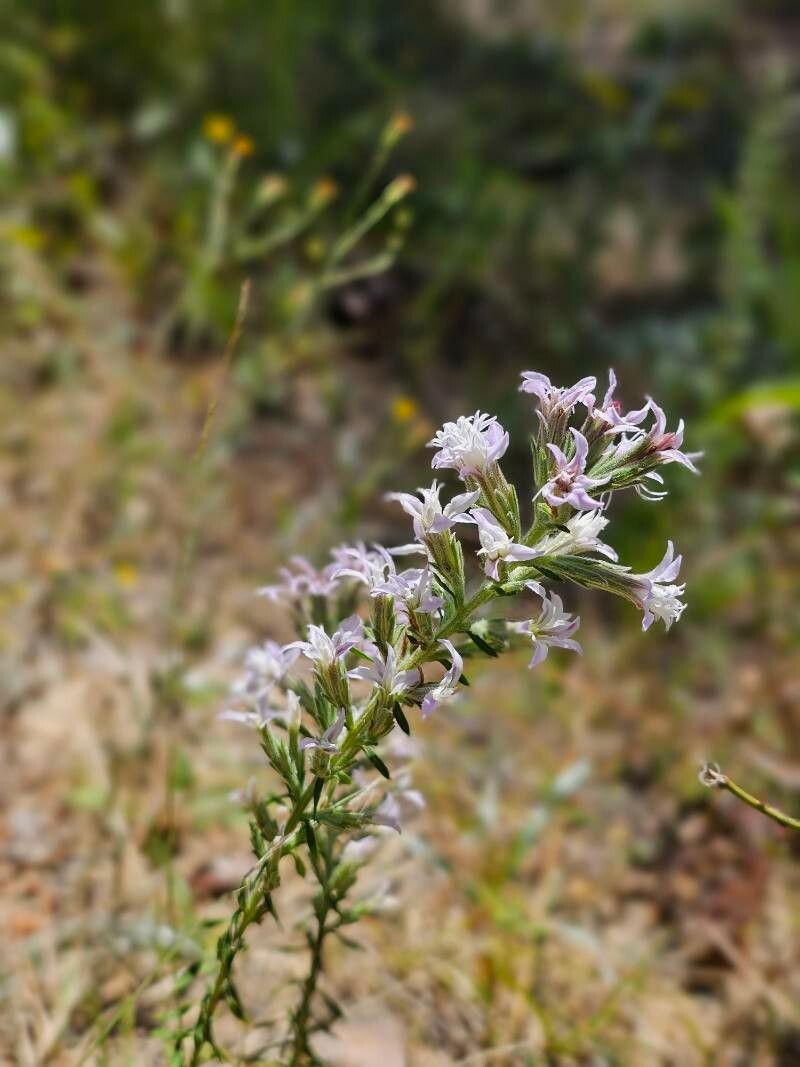
Hello there, fellow garden lovers! I’m so thrilled you’re interested in Liatris elegans, or as I affectionately call them, the elegant Blazing Stars. These beauties bring such a wonderful vertical element to the garden with their spiky, usually purple, flower wands that attract all sorts of buzzing visitors. There’s a special kind of joy in growing a plant from scratch, and Liatris elegans is a fantastic candidate for that journey. For beginners, I’d say it’s moderately easy – a little patience goes a long way.
The Best Time to Start
The absolute sweet spot for propagating Liatris elegans is in early spring, just as the plant is waking up from its winter slumber. You’re looking for that moment when you see new growth beginning to emerge from the soil. That’s when the plant has the most energy to dedicate to making new roots. While you can divide them in fall, spring propagation generally yields stronger, more established plants going into their first summer.
Supplies You’ll Need
To get your Liatris elegans propagation off to a flying start, gather these essentials:
- Sharp Pruning Shears or a Knife: Cleanliness is key!
- Well-Draining Potting Mix: A mix designed for cacti and succulents works wonderfully, or you can create your own by combining potting soil with perlite or coarse sand.
- Pots or Trays: Choose containers with drainage holes. Small nursery pots or even repurposed yogurt cups will do.
- Rooting Hormone (Optional but Recommended): This can give your cuttings a helpful boost.
- Watering Can or Spray Bottle: Gentle watering is important.
- Labels: To keep track of what you’ve planted!
- Gloves: For comfort while working with plants.
Propagation Methods
Liatris elegans is most commonly propagated through division, which is my personal favorite for this plant. It’s straightforward, and you get a good size plant right from the get-go. In spring, when you first see those new shoots emerging, it’s time to act.
Here’s how I do it:
- Gently Unearth the Plant: Carefully dig around the base of your established Liatris elegans. You don’t want to damage the main root system too much. Loosen the soil around it until you can lift the entire clump out.
- Inspect the Roots: You’ll see the main root crown with new shoots emerging. Look for natural divisions where the root system seems to have separated.
- Divide the Crown: Using your clean pruning shears or knife, carefully separate the root ball into sections. Each section should have at least one healthy shoot and a good chunk of root attached. Don’t be afraid if it looks a little rough; these plants are resilient.
- Potting Up the Divisions: Fill your new pots with your well-draining potting mix. Plant each division, ensuring the top of the root crown is level with or just slightly below the soil surface.
- Water Gently: Water thoroughly, but allow the excess to drain away.
While stem cuttings are possible with some Liatris species, Liatris elegans is much more reliably propagated via division.
The “Secret Sauce” (Pro Tips)
Now, for a couple of little tricks I’ve picked up over the years:
- Don’t Overcrowd Your Pots: Give each new division enough space to grow without competing for resources. Overcrowding can invite fungal issues.
- Think “Damp, Not Drenched”: After an initial good watering, err on the side of slightly drier soil. These plants hate sitting in soggy conditions, which is why that good drainage is so crucial. Allow the top inch of soil to dry out between waterings.
Aftercare & Troubleshooting
Once your divisions are potted, place them in a bright location with indirect sunlight. Avoid harsh, direct sun initially, as this can stress the new cuttings. Water them only when the top inch of soil feels dry to the touch. You should start to see new growth within a few weeks.
Keep an eye out for a few common issues. Rot is the biggest culprit, usually caused by overwatering. If you notice soggy soil, wilting that doesn’t improve after watering, or a mushy base to the stem, you might be dealing with rot. In such cases, you may need to salvage healthy parts of the root if possible and repot in fresh, dry soil. Lack of new growth could simply mean the plant is taking its time to establish – patience is key here!
So there you have it! Propagating Liatris elegans is a rewarding venture that will reward you with more of those stunning, spiky blossoms. Don’t be afraid to experiment and enjoy the process of nurturing these new plants. Happy gardening!
Resource:
https://identify.plantnet.org/k-world-flora/species/Liatris%20elegans%20(Walter)%20Michx./data