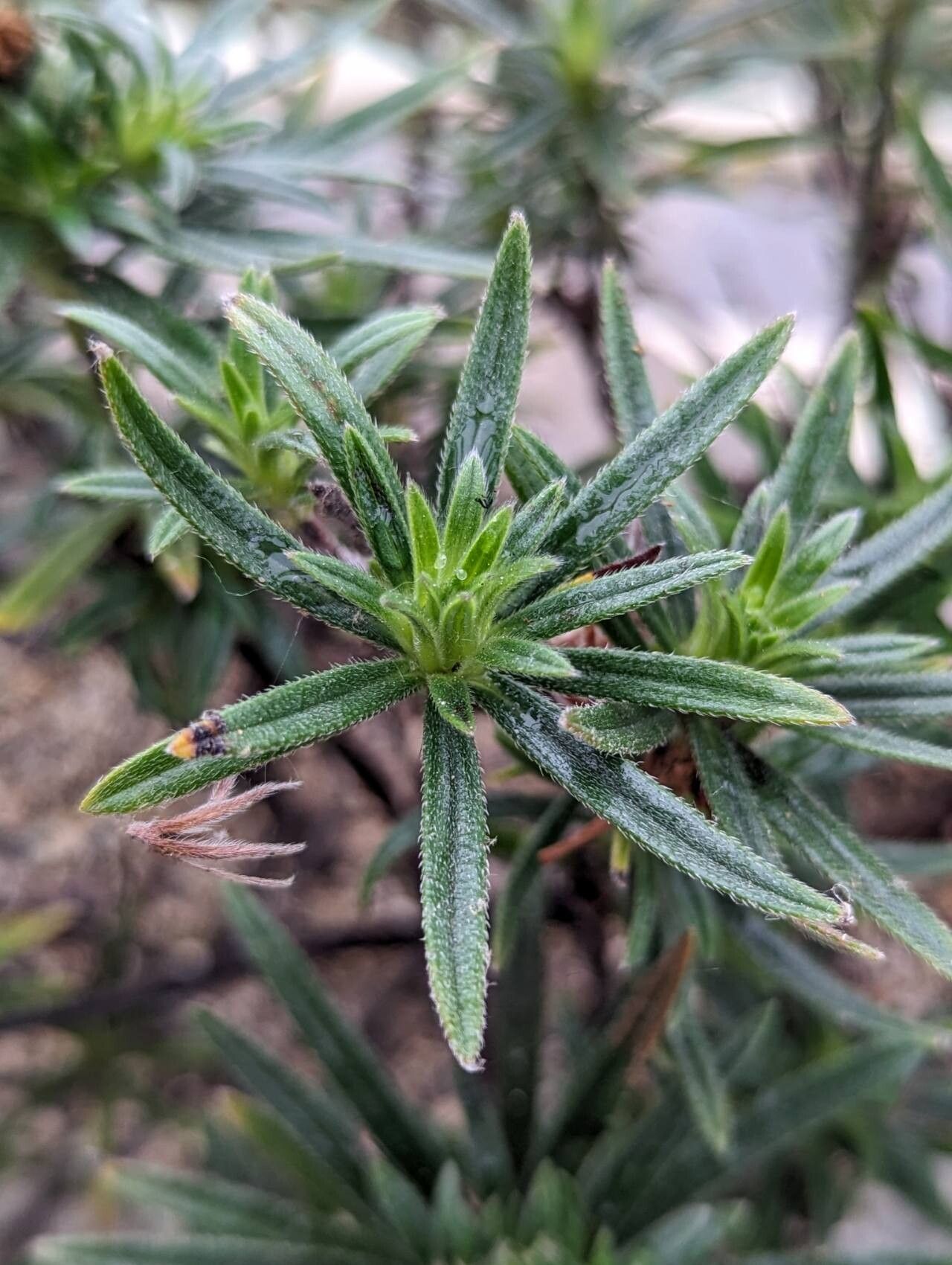
Hello, fellow garden enthusiasts! Today, we’re diving into the delightful world of Lithodora zahnii, also known as Heavenly Blue Lithodora. If you adore those intense, sky-blue blooms that practically scream “summer,” then you’re in for a treat. Propagating this gem is a fantastic way to fill your garden with more of that unparalleled color without breaking the bank. It’s a project that’s quite accessible, even for those newer to the gardening game. I find it incredibly rewarding to nurture a tiny cutting into a blooming powerhouse.
The Best Time to Start
For the most robust success, I always recommend taking cuttings in late spring to early summer. This is when the plant is actively growing, and those semi-hardwood stems are perfect for rooting. They’ve got enough structure to hold their shape but aren’t so woody that they’ll resist taking root. Think of it as catching the plant at its energetic peak. Waiting until the plant has finished its initial flush of spring blooms is usually ideal.
Supplies You’ll Need
Before we get our hands dirty, let’s gather our arsenal:
- Sharp Pruning Shears or a Craft Knife: Clean cuts are key to preventing disease.
- Rooting Hormone Powder or Gel: This isn’t strictly mandatory, but it significantly boosts your success rate.
- Well-Draining Potting Mix: A common blend I use is 50% peat moss or coco coir and 50% perlite or coarse sand. You want something that won’t hold excess moisture.
- Small Pots or Trays: Clean pots are essential to avoid spreading any nasties. Yogurt containers with drainage holes can work in a pinch!
- Plastic Bags or a Propagator: These create a humid environment for your cuttings.
- A Dibber or Pencil: For making planting holes.
- Watering Can or Spray Bottle: For keeping things moist.
- A Small Trowel: For transplanting later on.
Propagation Methods
Stem cuttings are generally the most reliable and popular method for Lithodora.
Stem Cuttings:
- Select Your Cuttings: Look for healthy, non-flowering stems that are a good pencil-like thickness. You want sections that are about 4-6 inches long.
- Make the Cut: Using your clean shears, make a cut just below a leaf node. This is the point where a leaf attaches to the stem, and it’s where roots tend to emerge most readily.
- Prepare the Cutting: Gently strip off the leaves from the bottom half of the cutting. This prevents leaves from rotting in the soil or water. You can leave about 2-3 leaves at the very top.
- Apply Rooting Hormone: Dip the cut end of the stem into your rooting hormone, ensuring it’s coated up to where you’ve removed the lower leaves. Tap off any excess.
- Plant Your Cuttings: Make a hole in your prepared potting mix with a dibber or pencil. Gently insert the cutting into the hole, firming the soil around it. Make sure at least one leaf node is buried.
- Water Gently: Water the potting mix thoroughly but gently. You don’t want to dislodge the cuttings.
- Create Humidity: Place the potted cuttings into a plastic bag, or cover them with a propagator lid. Ensure the leaves don’t touch the plastic. Seal the bag or lid.
The “Secret Sauce” (Pro Tips)
Now for a few tricks up my sleeve!
- Bottom Heat is Your Friend: If you have a seedling heat mat, placing your pots on it can dramatically speed up the rooting process. It encourages root development from below. Just be sure to use a thermostat to keep it at a consistent, gentle warmth (around 70-75°F / 21-24°C).
- Don’t Drown Them: While humidity is crucial, standing water around the base of your cuttings is a fast track to rot. When watering, aim to moisten the soil through, but allow any excess to drain freely. If you see water pooling, tip the pot gently.
- Refresh Your Cuttings Periodically: I like to give my cuttings a gentle tug after about 4-6 weeks. If there’s resistance, that’s a good sign roots are forming! If not, don’t despair. You can sometimes even take the cutting out to check and then re-pot it.
Aftercare & Troubleshooting
Once you see new leafy growth appearing on your cuttings, it’s a fantastic sign that roots are forming!
- Gradually Acclimate: Slowly begin to remove the plastic bag or propagator lid for increasing periods over a week or two. This helps the new plant adjust to normal humidity levels.
- Careful Watering: Continue to keep the soil consistently moist but not waterlogged. As the plant grows and its root system develops, you can water less frequently, allowing the top inch of soil to dry out slightly between waterings.
- Transplanting: Once your cuttings have a decent root system and are stable, they’re ready to be moved into their own small pots, using a similar well-draining mix.
- Troubleshooting Rot: The most common failure is rot, which usually shows up as blackened, mushy stems. This is almost always due to overwatering and poor drainage. If you see this, unfortunately, that cutting is likely lost. Prevent it by ensuring good airflow, using the right soil mix, and not overwatering. You might also see cuttings shrivel and die; this can be lack of humidity or poor rooting hormone application.
A Encouraging Closing
Propagating Lithodora is a wonderfully rewarding journey. It takes a little patience and keen observation, but the sight of those vibrant blue blooms appearing from your own little creations is incredibly satisfying. Don’t be discouraged if not every cutting makes it – that’s part of the learning process for all of us gardeners. Just keep trying, enjoy the hands-on experience, and soon you’ll have cascades of Heavenly Blue Lithodora to brighten your world! Happy propagating!
Resource: