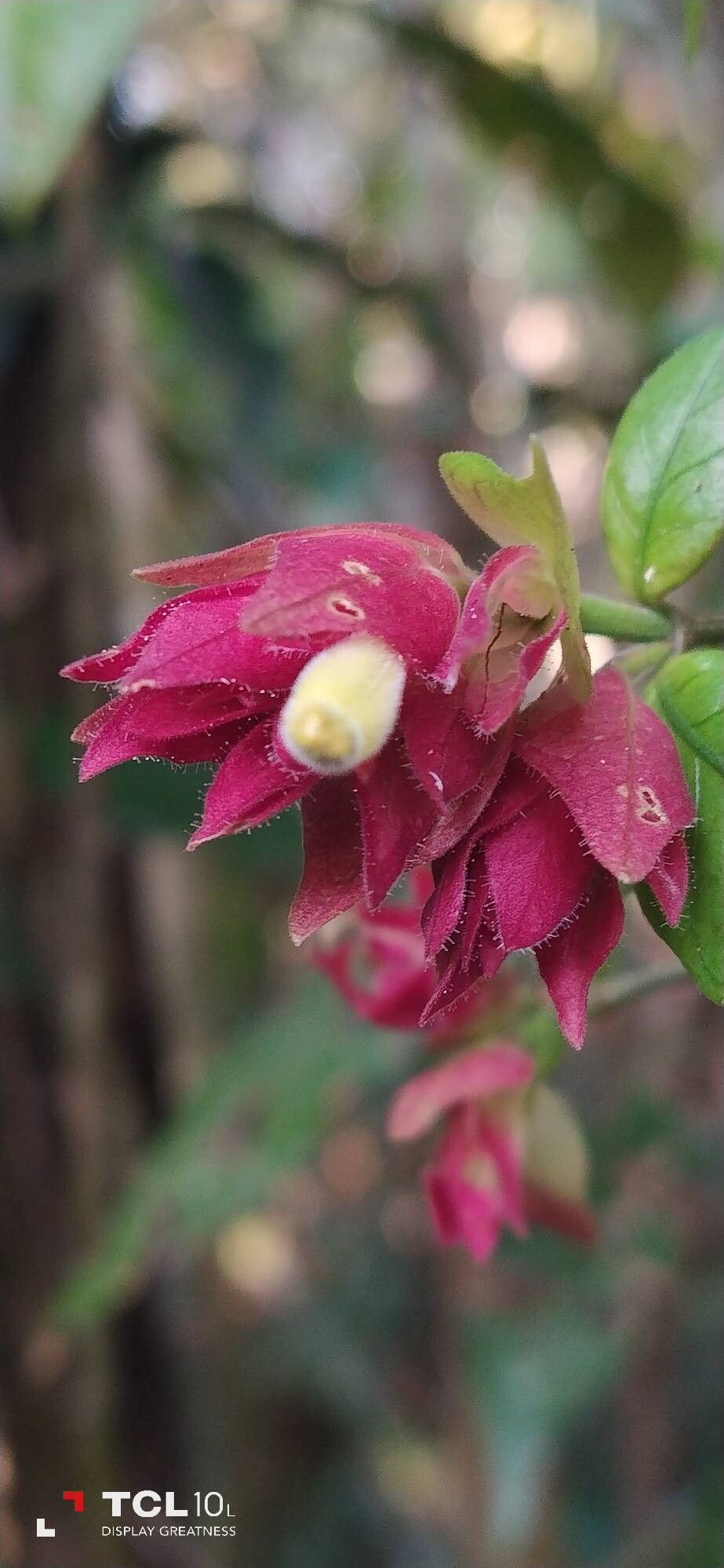
Oh, hello there! Come on in, grab a mug of your favorite brew. I’m so glad you’re here today to talk about one of my absolute favorites: Hypoestes pulchra, those wonderfully cheerful polka dot plants!
Why You’ll Love Propagating Hypoestes
Honestly, there’s just something magical about taking a small piece of a plant and watching it transform into a whole new, vibrant individual. And Hypoestes pulchra? They’re a breeze to work with, which makes them a fantastic choice for anyone dipping their toes into propagation for the first time. Their speckled leaves bring such a pop of color and life to any indoor space, and multiplying them means you can share that joy with friends or fill every sunny corner of your own home.
The Perfect Time to Get Started
My personal go-to season for propagating Hypoestes pulchra is late spring to early summer. This is when the plant is actively growing and has plenty of energy to put into developing new roots. You can also sneak in some propagation in the early fall, but you might find the rooting process a little slower. The key really is to start when your parent plant is looking robust and healthy, not when it’s looking a bit tired.
Gathering Your Propagation Toolkit
Before we get our hands dirty, let’s make sure we have everything we need. It’s like packing a picnic for a plant adventure!
- Clean Pruning Shears or Scissors: A sharp, sterile tool is crucial for making clean cuts.
- Potting Mix: A light, well-draining mix is essential. I love a blend of peat moss or coco coir, perlite, and a bit of compost. You can also find pre-made “seed starting” or “propagation” mixes.
- Small Pots or Seedling Trays: These don’t need to be large, just big enough to hold the cutting and a bit of soil. Make sure they have drainage holes!
- Clear Plastic Bag or Humidity Dome: This creates a mini greenhouse effect to keep your cuttings from drying out.
- Optional: Rooting Hormone Powder or Gel: While not strictly necessary for Hypoestes, it can give your cuttings a little extra boost.
- Watering Can or Spray Bottle: For gentle watering.
Growing New Life: Propagation Methods
Hypoestes pulchra is wonderfully obliging when it comes to making more of itself. Here are a couple of my favorite ways to do it:
Stem Cuttings: The Classic Approach
This is my go-to method, and it’s incredibly effective.
- Find a Healthy Stem: Look for a lively stem on your mature plant. You want one that’s at least 4-6 inches long and ideally has a few sets of leaves.
- Make the Cut: Using your clean shears, make a cut just below a leaf node. A leaf node is where a leaf grows from the stem. This is where the magic of root development happens!
- Prepare the Cutting: Gently remove the lower leaves from the cutting, leaving just a few at the top. This prevents them from rotting once they’re in the soil. If you’re using rooting hormone, dip the cut end into it now, tapping off any excess.
- Plant Your Cutting: Fill your small pots with your chosen potting mix. Make a small hole with your finger or a pencil, and carefully insert the cut end of your Hypoestes stem. Gently firm the soil around the stem to keep it upright.
- Water and Cover: Water the soil thoroughly, but gently. Then, pop a clear plastic bag over the pot, or place it inside a humidity dome. This traps moisture.
Water Propagation: Watching Roots Appear
This method is so satisfying because you can actually see the roots grow!
- Select and Cut: Follow steps 1 and 2 from the stem cutting method.
- Remove Lower Leaves: Just like before, strip off the leaves that would be submerged in water. You want at least one or two leaf nodes to be underwater.
- Place in Water: Find a clean jar or glass and fill it with fresh water. Place your cutting in the water, making sure the exposed leaf nodes are submerged.
- Find a Bright Spot: Place the jar in a spot that receives bright, indirect light.
- Change the Water: Change the water every few days, or whenever it starts to look cloudy. This prevents bacterial growth.
The “Secret Sauce”: My Insider Tips
Now, for a few little tricks I’ve picked up over the years that can really make a difference:
- Don’t Skip the Bottom Heat! If you have a seed starting mat, placing your pots on top of it can dramatically speed up root formation, especially if your house is a bit cooler. The warmth encourages those roots to get a move on.
- Mist, Then Cover: After planting your stem cuttings and watering, give the leaves a good misting before covering them. This ensures there’s plenty of moisture in the air from the get-go.
- Watch for Wilting (and Don’t Panic): It’s normal for cuttings to wilt a little for the first day or two as they adjust. As long as the leaves aren’t completely dried out and the stem still feels firm, keep them covered and let them settle in.
Aftercare and What to Look For
Once you start seeing new growth or those tell-tale little white roots emerging from the bottom of your pot or out of the water, you’re on your way!
- For Water Cuttings: When the roots are about an inch long and look strong, it’s time to pot them up into your well-draining potting mix, just like you did with the stem cuttings. Keep the soil consistently moist but not soggy for the first couple of weeks.
- For Soil Cuttings: Continue to keep the soil lightly moist. Once you see new leaves unfurling, you know your cutting has rooted! You can then gradually remove the plastic bag or humidity dome over a few days to help the plant acclimate to normal humidity levels.
- Troubleshooting: The most common issue you might encounter is rot. This usually happens if the soil is too wet or you have poor air circulation. If you see mushy, black stems, unfortunately, that cutting is likely lost. Remove it from the pot and check the moisture levels of the remaining soil. Too much direct sun can also scorch delicate new cuttings.
Keep Growing!
Propagating Hypoestes pulchra is such a rewarding journey. Be patient with your little green charges – sometimes it takes a few weeks to see significant progress. The joy of seeing those first new leaves emerge or roots appear is truly special. So go ahead, grab your shears, and happy propagating! You’ve got this!
Resource:
https://identify.plantnet.org/k-world-flora/species/Hypoestes%20pulchra%20Nees/data