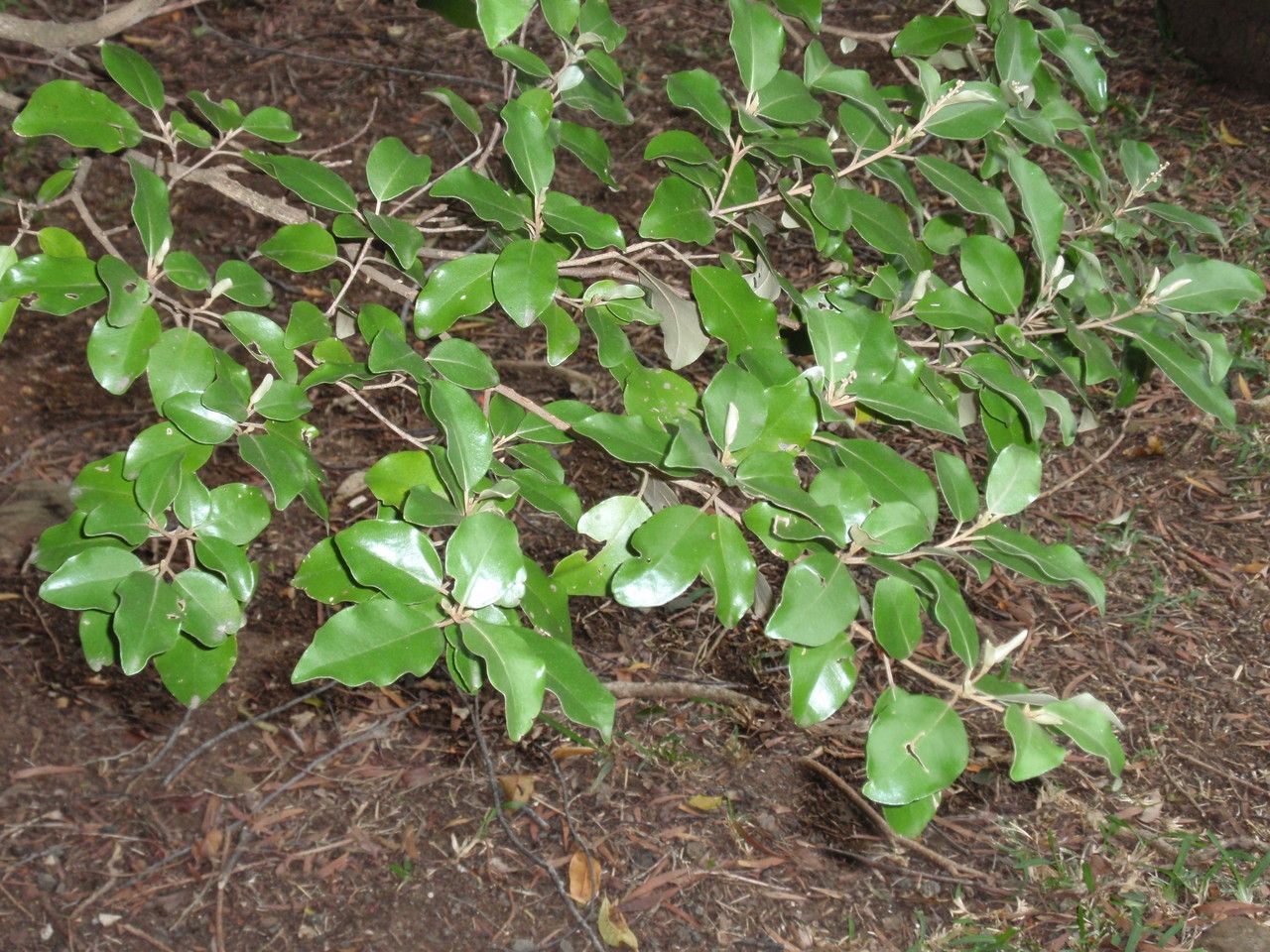
Oh, hello there! Come on in, grab a mug. Today, we’re diving into the wonderfully vibrant world of Croton insularis. If you’re looking for a splash of color and a bit of tropical flair for your home, you’ve found your plant in the croton. Their leaves are just a masterpiece, aren’t they? Reds, oranges, yellows, all splashed across deep greens.
Now, trying your hand at propagating them? That’s where the real magic happens. It’s incredibly satisfying to watch a tiny cutting transform into a beautiful new plant that you grew yourself. Honestly, though, crotons can be a little fussy, so while it’s certainly achievable for beginners, don’t get discouraged if it takes a couple of tries. Patience is our best friend here!
The Best Time to Start
For the highest success rate, I always recommend propagating crotons during their active growing season. This is typically in the late spring and summer months. The plant is full of energy then, and those cuttings are more likely to root readily. You want to catch them when they’re putting out new growth.
Supplies You’ll Need
Gathering your tools beforehand makes the whole process so much smoother. Here’s what I always have on hand:
- Sharp Pruning Shears or a Clean Knife: For making clean cuts.
- Rooting Hormone (Optional but Recommended): A powder or gel can give your cuttings a great boost.
- Well-Draining Potting Mix: I like a mix of peat moss, perlite, and a bit of compost. You can also buy a cactus or succulent mix as a good base.
- Small Pots or Seedling Trays: Clean pots, of course! Drainage holes are a must.
- Plastic Bags or a Propagator: To create a humid environment.
- Water: For watering and, if using, for water propagation.
- Labels and a Marker: So you don’t forget what you planted!
Propagation Methods
Crotons are quite amenable to a couple of popular propagation techniques. Here are my go-to methods:
Stem Cuttings
This is my preferred method for crotons. It’s straightforward and usually yields great results.
- Take Your Cuttings: On your healthy, established croton, locate a piece of stem that has at least 3-4 leaves. Using your sharp pruning shears or knife, make a clean cut just below a leaf node (where a leaf attaches to the stem). Aim for cuttings that are about 4-6 inches long.
- Dip in Rooting Hormone: If you’re using rooting hormone, dip the cut end of the stem into the powder or gel. Gently tap off any excess.
- Potting Up: Fill your small pots with your well-draining potting mix. Make a small hole in the center with your finger or a pencil.
- Plant the Cutting: Insert the cut end of the croton cutting into the hole. Gently firm the soil around the stem to ensure good contact.
- Water and Cover: Water the soil thoroughly until you see water drainage from the bottom of the pot. Then, cover the pot with a plastic bag or place it inside a propagator. This creates that crucial humid environment. You can prop the bag up with a few sticks so it doesn’t touch the leaves.
Water Propagation
This method is a bit more visual, and some people find it easier to monitor.
- Prepare the Cutting: Just like with stem cuttings, take a 4-6 inch cutting with at least a few leaves. You can remove the bottom set of leaves to prevent them from rotting in the water.
- Place in Water: Fill a clean jar or glass with room-temperature water. Submerge the leaf-less end of the cutting in the water.
- Location, Location: Place the jar in a spot that receives bright, indirect light.
- Change Water Regularly: This is key! Change the water every 2-3 days to keep it fresh and prevent bacterial growth.
The “Secret Sauce” (Pro Tips)
Here are a few things I’ve learned over the years that can really make a difference:
- “Bleeding” Sap is Normal: Crotons produce a milky white sap when cut. It’s a good idea to let the sap dry for a few hours before potting or dipping in rooting hormone. Some people rinse it off, but I find letting it air dry helps seal the cut.
- Warmth is Wonderful: If you’re struggling with rooting, bottom heat makes a HUGE difference. A seedling heat mat placed under your pots can significantly speed up root development. It mimics the warmth of the soil in their natural environment.
- Don’t Over-Water: This is probably the most common mistake. While they need humidity and moisture, soggy soil is a death sentence for a stem cutting. Allow the top inch of soil to dry out slightly between waterings.
Aftercare & Troubleshooting
Once you start seeing signs of new growth – tiny leaves or a bit of resistance when you gently tug on the cutting – it’s time for a little adjustment.
- Gradual Acclimation: If you used a plastic bag or propagator, gradually introduce your new plant to normal humidity levels. Start by removing the cover for an hour a day, then two, and so on, over the course of a week.
- Continue Bright, Indirect Light: Keep your new croton in a spot that receives plenty of light, but avoid direct sun, which can scorch its delicate new leaves.
- Watering: When you do water, water thoroughly until it drains, then allow the top inch of soil to dry before watering again.
- Troubleshooting: The most common issue is rot. If your cutting becomes mushy, dark, or just wilts dramatically, it’s likely rotted. This is usually due to too much moisture and not enough air circulation. If you see signs of rot early, you might be able to salvage the healthy part of the cutting by taking a fresh one higher up. Sometimes, leaves dropping off is a sign of shock or not enough humidity. Don’t panic; keep an eye on the stem.
A Encouraging Closing
Growing new plants from cuttings is a journey, and the most important ingredient is patience. Enjoy the process of nurturing these tiny bits of life. Watch for those little signs of progress, and don’t be afraid to experiment a little. Soon, you’ll have a whole new collection of these dazzling crotons! Happy propagating!
Resource:
https://identify.plantnet.org/k-world-flora/species/Croton%20insularis%20Baill./data