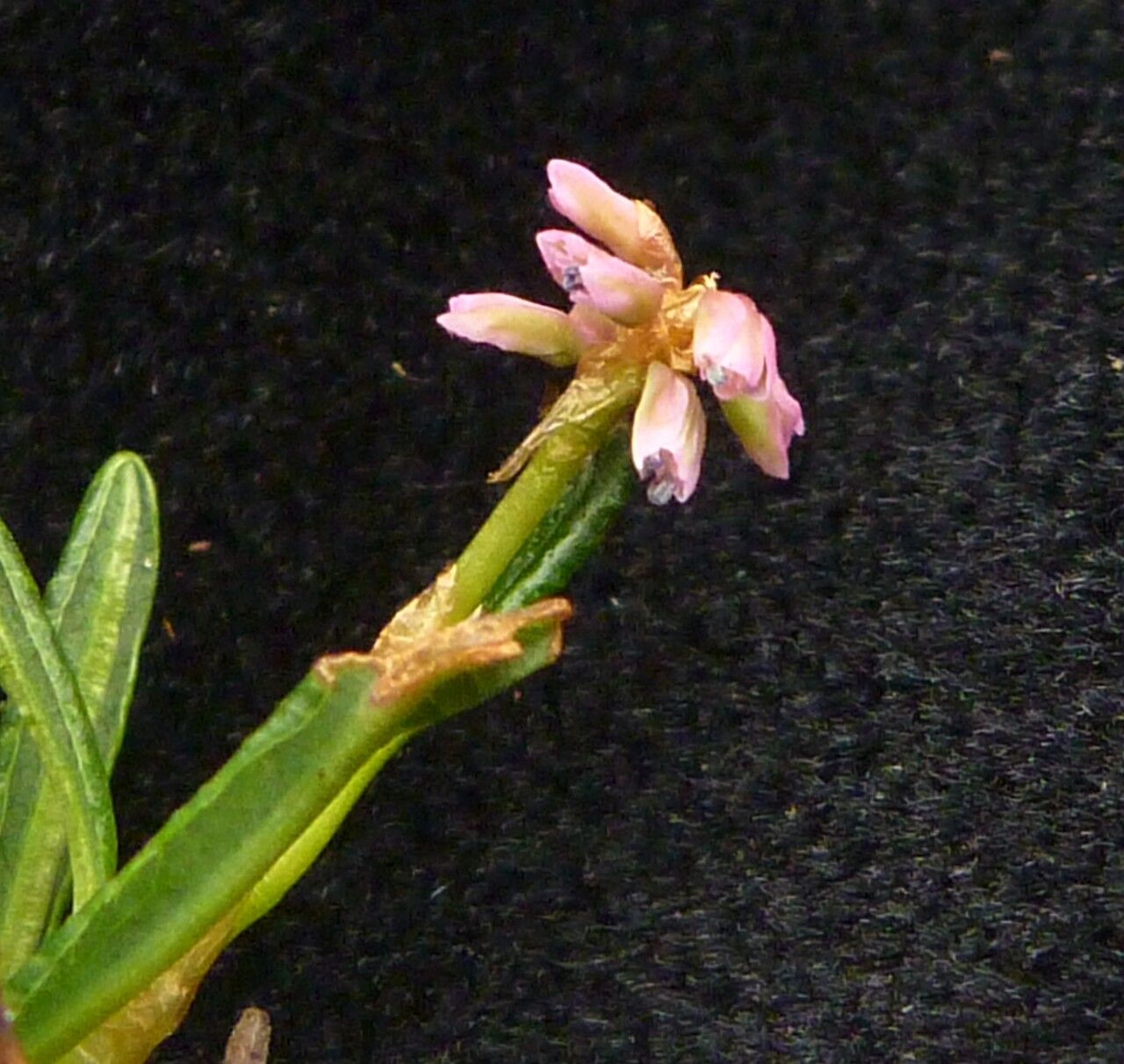
Well hello there, fellow plant lover! If you’ve ever admired those charming little mounds of Bistorta perpusilla, with their delicate pink flower spikes and lovely rosette of leaves, then you’re in for a treat. Propagating this gem is a fantastic way to multiply your joy and share it with others. Think of it as spreading tiny bits of happiness around your garden! Bistorta perpusilla is generally considered a moderately easy plant to propagate, which makes it a great project for those dipping their toes into the world of plant reproduction.
The Best Time to Start
For Bistorta perpusilla, the sweet spot for propagation is typically in late spring to early summer. This is when the plant is actively growing and has plenty of energy to put into developing new roots. Waiting until after the initial flush of spring growth provides healthy, vigorous material to work with.
Supplies You’ll Need
To set yourself up for success, gather these handy items:
- Clean, sharp pruning shears or a sharp knife: For making clean cuts.
- Small pots or seedling trays: Whatever suits the size of your divisions or cuttings.
- Well-draining potting mix: I like a blend of good quality potting soil with perlite or horticultural grit. A peat-free option is also wonderful!
- Rooting hormone (optional but helpful): Especially if you’re taking stem cuttings.
- Watering can with a fine rose or a spray bottle: For gentle watering.
- Labels and a marker: To keep your new plants identified!
Propagation Methods
Let’s get our hands dirty! The most successful method for Bistorta perpusilla is division.
Division
This is my go-to for Bistorta perpusilla. It works best on established plants that are starting to look a bit overcrowded.
- Gently excavate your plant: In late spring or early summer, carefully dig up your Bistorta perpusilla. It’s best to do this on a cool, overcast day or in the early morning to reduce stress on the plant.
- Loosen the root ball: Gently tease apart the soil from the roots. You’re looking for natural divisions, where the plant has already started to form clumps.
- Separate the divisions: With a bit of gentle pulling or by using your fingers (or a clean knife if the clumps are really tight), separate the plant into smaller sections. Each division should have some healthy roots and at least a few leafy shoots. Don’t be afraid to be a little firm but always be gentle with those precious roots.
- Replant immediately: Pot up your new divisions into pots filled with your well-draining potting mix. Water them in thoroughly.
The “Secret Sauce” (Pro Tips)
Here are a few tricks I’ve learned over the years:
- Don’t overpot: When repotting your divisions, use pots that are just slightly larger than the root system. Too much extra soil can hold too much moisture and lead to rot.
- Give them a cozy home: New divisions can be a little sensitive. Placing them in a slightly shaded spot for the first week or two, and keeping the soil consistently moist (but not soggy), helps them settle in without getting stressed from harsh sun.
- A whisper of humidity: If your air is particularly dry, a light misting once a day can be beneficial for divisions while they’re getting established.
Aftercare & Troubleshooting
Once your divisions are planted, keep the soil consistently moist but not waterlogged. This is crucial, especially during the early days. You should see new growth appearing within a few weeks, which is a good sign that roots are forming.
The most common issue you might encounter is rot. This usually happens if the soil stays too wet for too long, or if you used a potting mix that doesn’t drain well. If you notice your divisions looking limp, mushy, or developing dark spots, it’s a sign of rot. Unfortunately, if rot has set in too deeply, it can be hard to recover. Always aim for that “moist but not soggy” sweet spot!
A Encouraging Closing
Propagating Bistorta perpusilla is a rewarding journey. Don’t get discouraged if your first attempt isn’t perfect. Gardening is all about learning and observing. Be patient with your new little plants, give them a good start, and before you know it, you’ll have a whole patch of these delightful beauties to enjoy. Happy propagating!
Resource:
https://identify.plantnet.org/k-world-flora/species/Bistorta%20perpusilla%20(Hook.f.)%20Greene/data