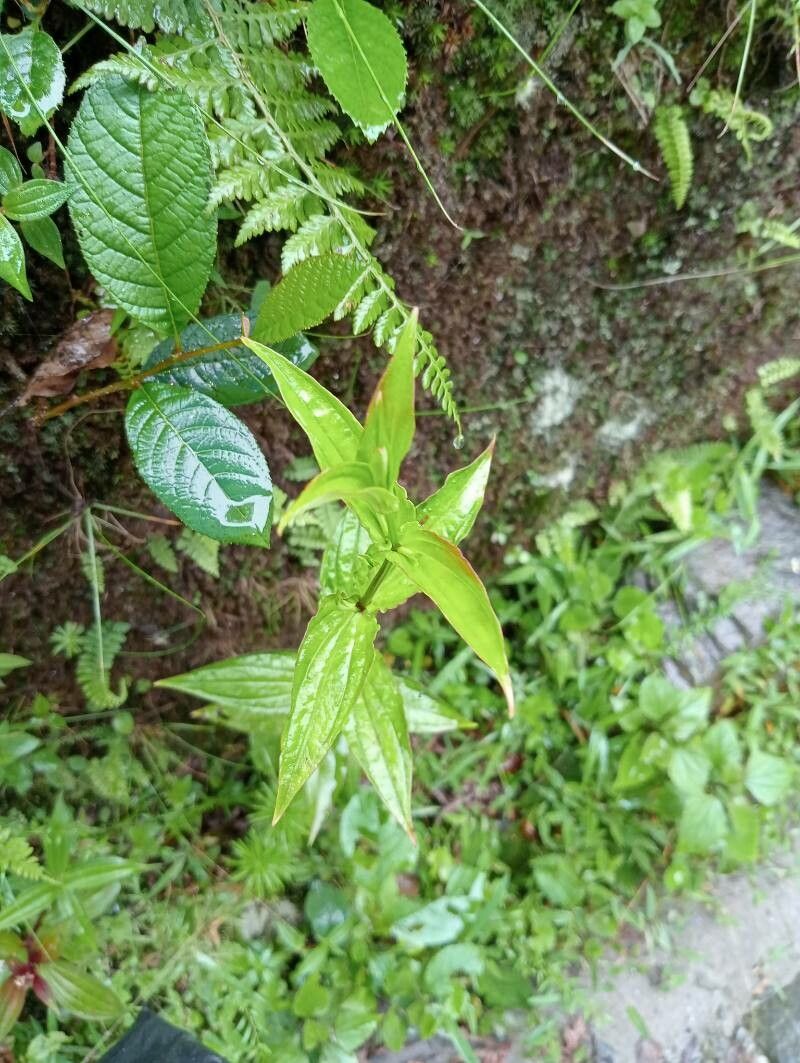
Hello there, fellow plant enthusiasts! I’m so excited to chat with you today about a truly special plant: Swertia chirayita, also known as Chiretta. If you’re looking for a plant that offers a bit of mystique and a rewarding challenge, this is it. I’ve been nurturing my own Swertia patches for nearly two decades, and there’s a deep satisfaction that comes from coaxing these beautiful, sometimes finicky, plants into existence. For beginners, I’ll be honest, Swertia can be a touch demanding. But with a little patience and the right approach, you absolutely can succeed!
The Best Time to Start
When it comes to Swertia chirayita, timing is everything. The absolute sweet spot for propagation is late spring to early summer, right as the plant is entering its most vigorous growth phase. You’re looking for healthy, well-established plants that have had a good growing season behind them. Trying to propagate too early in the spring, before new growth is robust, often leads to weaker cuttings and lower success rates. Wait for that vibrant green flush!
Supplies You’ll Need
To give your Swertia cuttings the best shot at life, having the right tools on hand is key. Think of this as gathering your essentials before a wonderful culinary adventure!
- Sterilized Pruning Shears or a Sharp Knife: Clean tools are non-negotiable for preventing disease.
- Well-Draining Potting Mix: I prefer a blend of equal parts peat moss, perlite, and fine bark chips. This provides aeration and prevents soggy soil, which is Swertia’s nemesis.
- Small Pots or Seed Trays: Clean and with drainage holes, of course.
- Rooting Hormone (Optional but Recommended): A powder or gel specifically for plant propagation can give your cuttings a helpful boost.
- Plastic Bags or a Propagator: To help create a humid microclimate.
- Spray Bottle: For gentle misting.
- Potting Labels: Because we all forget which cutting is which!
Propagation Methods
While Swertia chirayita can be a bit particular, the most reliable methods for me have been stem cuttings and division. Let’s walk through them.
Stem Cuttings
This is my go-to for increasing my Swertia numbers.
- Select Your Cuttings: From a healthy, mature plant, choose stem sections that are about 4-6 inches long. Look for stems that have started to mature but aren’t woody yet. You want about two to three sets of leaves on each cutting.
- Prepare the Cuttings: Carefully make a clean cut just below a leaf node (where a leaf attaches to the stem). Remove the lower leaves, leaving only the top 1-2 sets. This prevents leaves from rotting in the soil.
- Apply Rooting Hormone: If you’re using rooting hormone, dip the cut end of each cutting into the powder or gel. Gently tap off any excess.
- Plant Your Cuttings: Fill your small pots or trays with your prepared potting mix. Make a small hole in the center of the mix with a pencil or your finger and gently insert the cutting, firming the soil around it. The leaf nodes you exposed should be nestled just below the surface.
- Create Humidity: Lightly water the soil until it’s evenly moist, but not waterlogged. You can then place the pots inside a plastic bag or a propagator, sealing it loosely to maintain humidity.
Division
This method is best done when you’re repotting an established Swertia in the spring.
- Gently Excavate: Carefully remove the entire plant from its pot.
- Inspect the Roots: Gently brush away some of the soil to expose the root ball. Look for natural divisions where the plant has branched out.
- Divide with Care: Using a clean, sharp knife or trowel, gently separate the plant into smaller sections. Each section should have a healthy root system and at least one or two shoots. It’s okay if you lose a little bit of soil from the roots.
- Replant Immediately: Pot each division into its own pot filled with fresh, well-draining potting mix. Water them in gently.
The “Secret Sauce” (Pro Tips)
Over the years, I’ve learned a few little tricks that seem to make all the difference with these particular plants.
- Bottom Heat is Your Friend: For stem cuttings, placing your pots on a gentle heat mat specifically designed for propagation can significantly speed up root development. Swertia loves a little warmth from below.
- Don’t Drown Them: This is crucial! While humidity is important, waterlogged soil is the fastest way to lose a Swertia cutting to rot. Always err on the side of slightly too dry rather than too wet. Check the moisture level by feeling the soil an inch down.
- Patience with the Potting Mix: When you’re preparing stem cuttings, I find that a mix with a good percentage of fine bark chips (like orchid bark) really makes cuttings perk up. It provides structure and excellent drainage, preventing that dreaded sogginess.
Aftercare & Troubleshooting
Once you see signs of new growth appearing on your cuttings (usually little leaves unfurling), it’s an exciting moment!
Watering: Continue to keep the soil consistently moist but never soggy. Mist the leaves occasionally, especially if they are in a propagator, but avoid letting water stand on the foliage.
Light: Place your newly potted cuttings in a bright location that receives indirect sunlight. Direct sun can scorch tender new growth.
Troubleshooting: The most common issue you’ll face with Swertia propagation is rot. If a cutting turns black and mushy, it’s usually due to overwatering or poor air circulation. If this happens, remove the affected cutting immediately to prevent it from spreading. Also, keep an eye out for weak, spindly growth; this often indicates insufficient light.
A Little Encouragement
Propagating Swertia chirayita is a journey, and like all good gardening endeavors, it requires patience and observation. Don’t be discouraged if your first few attempts aren’t perfect. Each plant, each cutting, teaches you something new. Enjoy the process, celebrate the small victories, and soon you’ll be surrounded by your own beautiful Swertia! Happy propagating!
Resource:
https://identify.plantnet.org/k-world-flora/species/Swertia%20chirayita%20(Roxb.)%20H.Karst./data