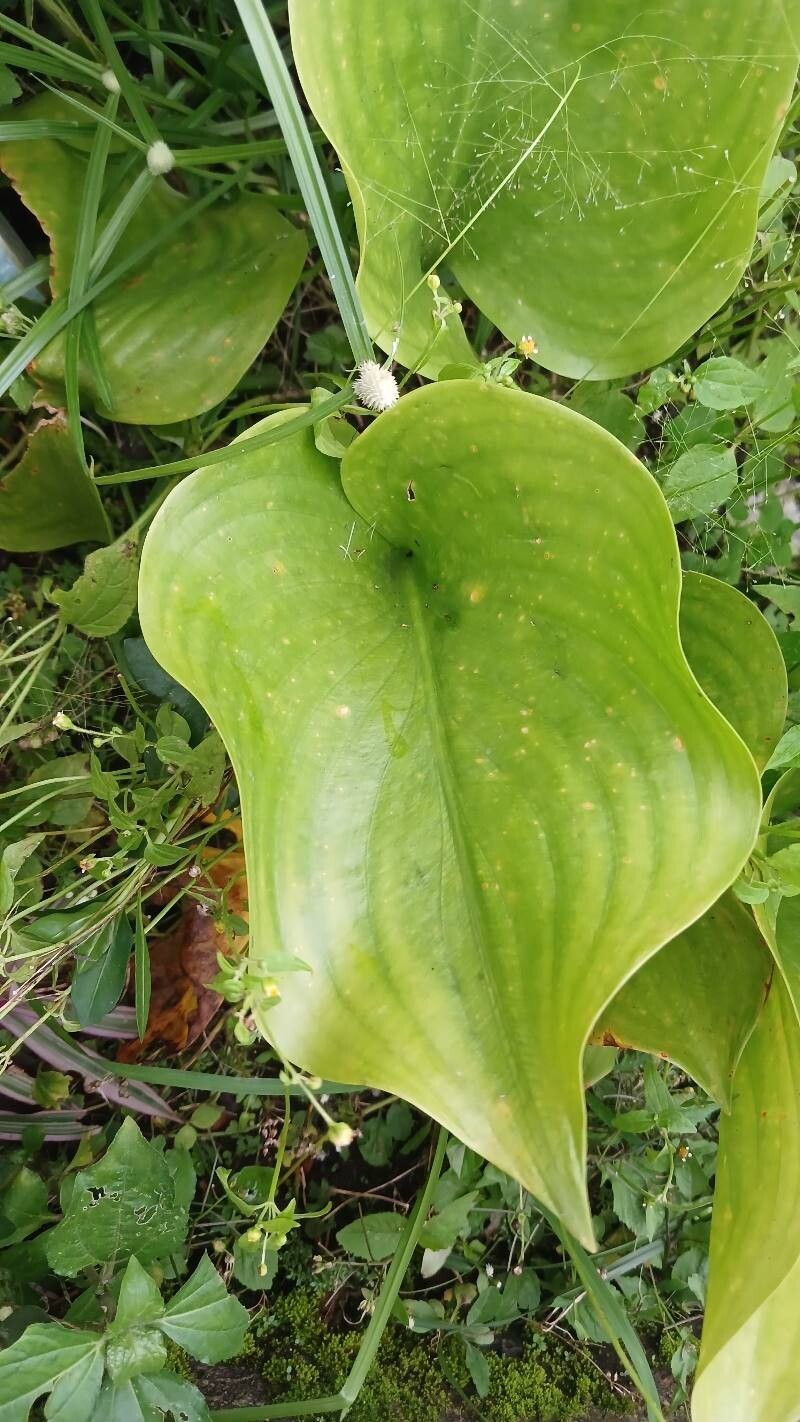
Hello, fellow plant lovers! I’m so excited to talk to you today about a truly unique and beautiful plant: Proiphys amboinensis, also sometimes called the “Bamboo Lily” or “Native Lily.” If you’re looking for something that adds a touch of the exotic to your home or garden, this is it. Its elegant, arching leaves and delicate white flowers are a real showstopper. And the best part? Propagating these beauties is incredibly satisfying, and I’m happy to report, it’s quite achievable for most gardeners – yes, even beginners!
The Best Time to Start
For the highest chance of success, I like to start propagating Proiphys amboinensis during its active growing season. This typically falls in the spring and summer months. You’ll see the plant putting out new energy, and that translates to a better chance for cuttings to root and divisions to establish.
Supplies You’ll Need
Gathering your tools beforehand makes the whole process smoother. Here’s what I always have on hand:
- Sharp pruning shears or a clean knife: For making clean cuts.
- Well-draining potting mix: A good blend of perlite, coco coir, and a bit of compost works wonders.
- Small pots or seed trays: With drainage holes, of course!
- Rooting hormone (optional but recommended): Especially if you’re new to propagating.
- Clear plastic bags or a propagator: To maintain humidity.
- Spatula or dibber: For making holes in the soil.
- Watering can with a fine rose: For gentle watering.
Propagation Methods
Proiphys amboinensis is fairly straightforward, and I find two methods work exceptionally well.
Division
This is often the easiest way to go, especially if your plant is already mature.
- Gently unpot your plant. Try to do this when the soil is slightly moist, not bone dry or soaking wet.
- Inspect the root ball. You’re looking for clumps or offsets that are already developing their own roots.
- Carefully separate the divisions. You can use your hands to gently tease them apart. If they’re really stuck, a clean, sharp knife can help you make a clean cut through the rhizomes.
- Ensure each division has at least one or two healthy roots and some foliage.
- Pot up your new divisions into their own pots filled with your well-draining mix.
- Water gently and place in a humid spot.
Stem Cuttings
This method takes a bit more patience, but it’s very rewarding.
- Look for healthy stems on your mature plant. Ideally, you want stems that are showing new growth but are not too soft or leggy.
- Using your sharp shears or knife, take cuttings that are about 4-6 inches long. Make your cut just below a leaf node.
- Remove the lower leaves from the cutting, leaving just a few at the top.
- Dip the cut end in rooting hormone if you’re using it.
- Prepare your pots with your propagation mix.
- Make a hole in the soil with a dibber or your finger.
- Insert the cutting into the hole, ensuring the leaf node is buried.
- Gently firm the soil around the cutting.
- Water thoroughly and then cover the pot with a clear plastic bag or place it in a propagator to maintain high humidity.
The “Secret Sauce” (Pro Tips)
- Don’t be afraid of a little mess! When dividing, sometimes you’ll lose a few roots. It’s part of the process. Just focus on getting the main part of the root system separated cleanly.
- Bottom heat is your friend. If you’re struggling with cuttings to root, popping them on a gentle heat mat can significantly speed things up. It mimics the warmth of spring soil and really encourages those roots to sprout.
- Wipe those leaves! If you notice condensation building up heavily inside your plastic bag or propagator, gently wipe the leaves with a soft cloth. Too much moisture sitting on the foliage can invite fungal issues.
Aftercare & Troubleshooting
Once your divisions or cuttings have started to show signs of rooting – think new leaf growth or resistance when you gently tug the cutting – it’s time to transition them to their permanent homes.
Continue to keep them in a bright, indirect light location and maintain consistent moisture in the soil, but avoid waterlogging. Gradually acclimate them to lower humidity levels by opening the plastic bag or propagator a little more each day.
The most common issue you might encounter is rot. This usually happens if the soil stays too wet, or if the cuttings are in too much direct sun. If you see yellowing leaves or a mushy stem base, act fast. Remove the affected plant part, ensure better drainage, and reduce watering. It’s a bummer, but it’s a learning experience for all of us!
A Little Encouragement
Propagating plants is a journey, and it’s one filled with quiet joy. Be patient with your new Proiphys amboinensis, and celebrate every tiny sign of life. You’re growing something wonderful, and that’s a truly special thing. Happy gardening!
Resource:
https://identify.plantnet.org/k-world-flora/species/Proiphys%20amboinensis%20(L.)%20Herb./data