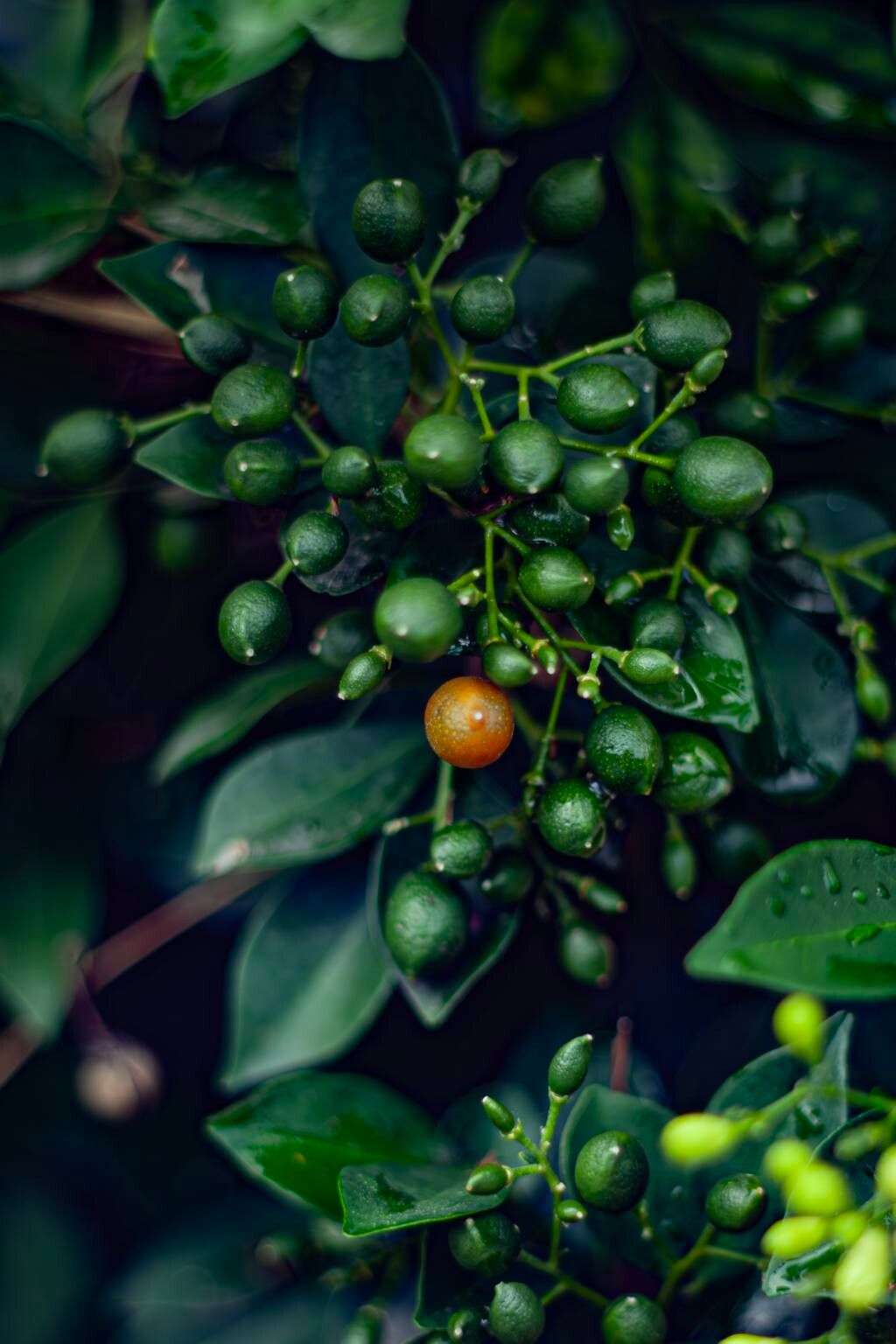
Hello fellow garden lovers! Today, we’re diving into the delightful world of Murraya paniculata, often known as Orange Jessamine or Mock Orange. If you’ve ever been captivated by its intoxicating jasmine-like fragrance and glossy, evergreen leaves, you know why this shrub is such a treasure. The joy of being able to multiply your own plants is truly special. Growing these beauties from cuttings is a rewarding endeavor, and thankfully, Murraya paniculata is quite forgiving, making it a lovely project for beginners with a little patience.
The Best Time to Start
For the highest success rate, I always recommend starting your Murraya paniculata propagation in late spring or early summer. This is when the plant is actively growing, fueled by longer days and warmer temperatures. You’re looking for semi-hardwood cuttings, which means you’re not taking brand-new, soft, floppy growth, but also not woody, old stems. Gently bending a stem – if it snaps cleanly, it’s usually a good candidate.
Supplies You’ll Need
To set yourself up for success, gather these items:
- Sharp pruning shears or a clean knife: For taking precise cuttings.
- Rooting hormone powder or gel: This isn’t strictly essential, but it can significantly boost your success rate.
- A well-draining potting mix: I like a blend of equal parts peat moss or coco coir, perlite, and compost. Avoid heavy garden soil.
- Small pots or trays: Clean ones are crucial to prevent disease.
- A clear plastic bag or propagator: To create a humid environment.
- Watering can with a fine rose: For gentle watering.
- Labels and a marker: To keep track of your projects!
Propagation Methods
Let’s get our hands dirty! Here are a couple of my favorite ways to propagate Murraya paniculata:
Stem Cuttings
This is my go-to method.
- Take your cuttings: Select healthy, vigorous stems from your mother plant. Using your clean pruning shears, cut pieces that are about 4-6 inches long. Remove any flowers or flower buds – they take energy away from root development.
- Prepare the cuttings: Strip off the lower leaves, leaving just two or three at the top. This reduces water loss. If the remaining leaves are very large, you can slice them in half lengthwise to further decrease transpiration.
- Dip in rooting hormone: Lightly dip the cut end of each cutting into your rooting hormone, tapping off any excess.
- Plant the cuttings: Fill your clean pots with the prepared potting mix. Make a small hole with your finger or a pencil, and insert the cutting about 1-2 inches deep. Gently firm the soil around it.
- Water gently: Water thoroughly until water drains from the bottom of the pot, then empty any excess water.
- Create humidity: Cover the pot with a clear plastic bag, securing it around the pot base, or place it in a propagator. This creates a miniature greenhouse effect.
- Place in bright, indirect light: Find a warm spot that doesn’t get direct midday sun.
Water Propagation (For the Impatient Gardener!)
While stem cuttings are my preferred method for long-term success, water propagation can be a fun way to see roots emerge.
- Select and prepare your cuttings: Follow steps 1 and 2 from the stem cutting method above.
- Place in water: Find a glass or jar and fill it with clean water. Ensure the cut end of the stem is submerged, but crucially, do not let any leaves touch the water. Submerged leaves will rot.
- Change the water regularly: Change the water every few days to keep it fresh and prevent bacterial growth.
- Position for success: Place the glass in a bright spot away from direct sun.
- Transplant when ready: Once you see healthy roots about an inch long, it’s time to carefully transplant your cutting into potting mix, following step 4 of the stem cutting method.
The “Secret Sauce” (Pro Tips)
Here are a few things I’ve learned over the years that make a big difference:
- Bottom Heat is Your Friend: If you can, place your pots on a heated propagator mat or in a warm spot without drafts. This gentle warmth from below encourages root formation much faster than ambient room temperature alone. I find it makes a significant difference, especially for trickier cuttings.
- Don’t Disturb Too Soon: Resist the urge to tug on your cuttings to check for roots too early. This can break delicate new root hairs. Wait at least 4-6 weeks, and then give a very gentle tug. If you feel resistance, you’ve got roots!
- Sanitation is Paramount: I can’t stress this enough. Always use clean tools and clean pots. The tiniest bit of mold or bacteria can spell doom for your cuttings. It’s a simple step that prevents so much heartache.
Aftercare & Troubleshooting
Once your cuttings have developed a good root system (you’ll see roots appearing from the drainage holes if you peek!), it’s time to transition them.
- Acclimatize: Gradually remove the plastic bag or lid over a few days to allow the new plant to adjust to normal humidity.
- Pot up: Carefully pot your rooted cuttings into slightly larger individual pots with fresh, well-draining potting mix.
- Watering: Water them in well. Keep the soil consistently moist but not waterlogged.
- Light: Continue to provide bright, indirect light. As they grow stronger, you can slowly introduce them to a little more direct morning sun.
Signs of Failure: The most common issue is rot, which usually shows up as a black, mushy stem at the soil line or leaves turning yellow and dropping off rapidly. This is often a sign of too much moisture and not enough air circulation. If you see this, unfortunately, that cutting is likely lost. Don’t be discouraged; just clean up the area and try again, perhaps adjusting your watering or ensuring better drainage.
A Gentle Encouragement
Creating new life from a simple cutting is one of the most magical parts of gardening. It takes a little time and patience, but witnessing those first tiny roots emerge is incredibly rewarding. Don’t be afraid to experiment, and remember that every gardener has lost cuttings along the way. Enjoy the process, learn from each attempt, and soon you’ll have a small jungle of fragrant Murraya paniculata to share! Happy propagating!
Resource:
https://identify.plantnet.org/k-world-flora/species/Murraya%20paniculata%20(L.)%20Jack/data