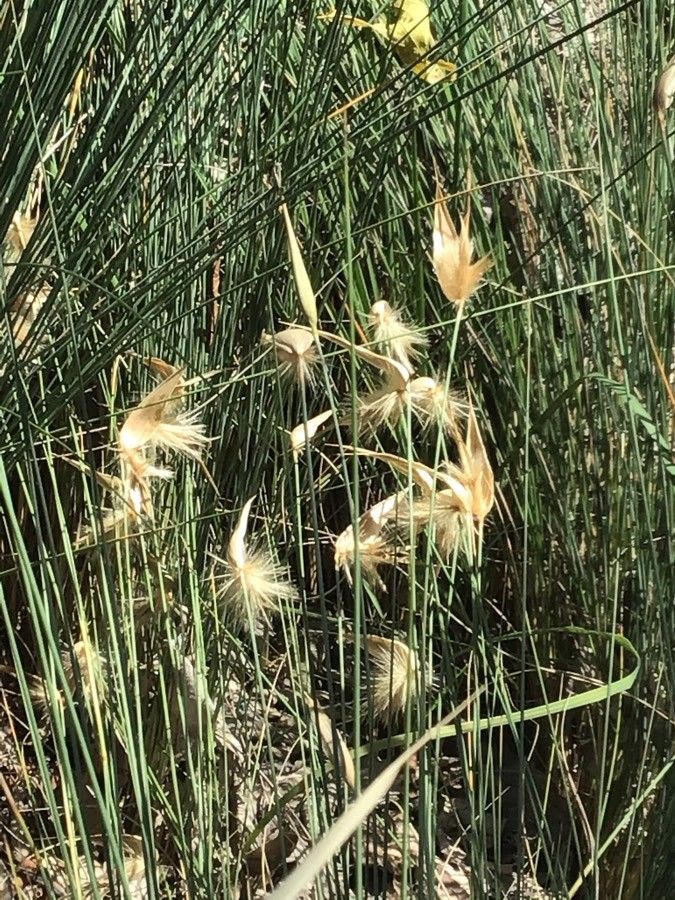
Hey there, fellow plant lovers! Today, we’re diving into the wonderful world of propagating Lygeum spartum, or as it’s sometimes affectionately called, False Esparto Grass. If you’ve ever admired its graceful, arching foliage and thought, “I wish I had more of that!”, you’re in the right place. Propagating this beauty is a truly rewarding experience. It’s not the absolute easiest plant to start from scratch, but with a little patience and these straightforward steps, you’ll be well on your way to a whole meadow of your own!
The Best Time to Start
For the best chance of success with Lygeum spartum, the sweet spot is during its active growing season. Think late spring to early summer. This is when the plant is full of vigor and has the energy to put towards developing new roots. I usually aim for mid-May to June here in my garden, but you can adjust slightly based on your local climate. We want healthy, vigorous growth, not something that’s struggling.
Supplies You’ll Need
Before we get our hands dirty, let’s gather our tools. Having everything at the ready makes the whole process much smoother.
- Sharp Pruning Shears or a Knife: Cleanliness is key to prevent disease.
- Potting Mix: A light, well-draining mix is essential. I like a blend of equal parts perlite and seed-starting mix. Some folks add a little horticultural sand too.
- Small Pots or Trays: With drainage holes, of course!
- Rooting Hormone (Optional but Recommended): This can give your cuttings a helpful boost.
- Watering Can or Spray Bottle: For gentle watering.
- Plastic Bag or Dome: To create a humid environment for your cuttings.
- Labels: So you don’t forget what you planted where!
Propagation Methods
Lygeum spartum is best propagated through division. While you might be able to get stem cuttings to root, it’s a much trickier business and division gives you a far higher success rate. So, let’s focus on that!
Division Method:
- Gently Excavate: First, you’ll need to carefully dig up your Lygeum spartum plant. I like to do this in the morning when the soil is slightly moist. Dig around the root ball with a spade, keeping as much soil attached to the roots as possible.
- Clean Up the Roots: Once it’s out of the ground, gently shake off some of the excess soil. You want to be able to see the individual shoots and their root systems clearly. Don’t be afraid of a little root disturbance; the plant will recover.
- Separate the Divisions: Now comes the fun part! You can use your hands to carefully pull apart the clumps, or if it’s a very dense plant, a clean, sharp knife might be needed. Look for natural separation points where you can see distinct crowns and root structures. Aim for divisions that have at least 3-4 healthy shoots and a good amount of root mass.
- Replant Immediately: This is crucial. Once you have your divisions, get them replanted as quickly as possible. Prepare your new pots or garden beds with your well-draining potting mix.
- Water Thoroughly: Give the newly divided plants a good, deep watering to settle the soil around the roots and encourage new growth.
The “Secret Sauce” (Pro Tips)
Here are a couple of things I’ve learned over the years that really make a difference:
- Don’t Overcrowd Your Pots: When replanting divisions, give each one enough space. Even though they are small now, they will grow! Overcrowding can lead to competition for resources and increased risk of fungal issues.
- The Power of a Humid Tent: After division and replanting, I like to loosely cover the pots with a clear plastic bag or a propagation dome. This traps moisture and creates a mini-greenhouse effect, which really helps the plant settle in and start recovering from the stress of division. Just make sure the foliage doesn’t directly touch the plastic, as that can encourage rot. Open it daily for a few minutes to allow for air circulation.
Aftercare & Troubleshooting
Once your Lygeum spartum divisions are nestled into their new homes, continue to water them regularly, keeping the soil consistently moist but not waterlogged. As they start to show new growth – usually within a few weeks – you can gradually reduce the humidity cover.
The most common issue you might encounter is rot. If you see any yellowing leaves or a soft, mushy stem base, it’s a sign of too much moisture and not enough air circulation. In this case, try increasing ventilation and letting the soil dry out slightly between waterings. If a division completely fails, don’t get discouraged! It happens to all of us. Just try again with another division.
A Encouraging Closing
So there you have it! Propagating Lygeum spartum through division is a very satisfying way to expand your collection. Be patient with your new plants; they’re like little miracles in the making. Enjoy the process, celebrate the small victories, and soon you’ll have more of that lovely grass to share with friends or to fill in those empty garden spots. Happy propagating!
Resource:
https://identify.plantnet.org/k-world-flora/species/Lygeum%20spartum%20Loefl.%20ex%20L./data