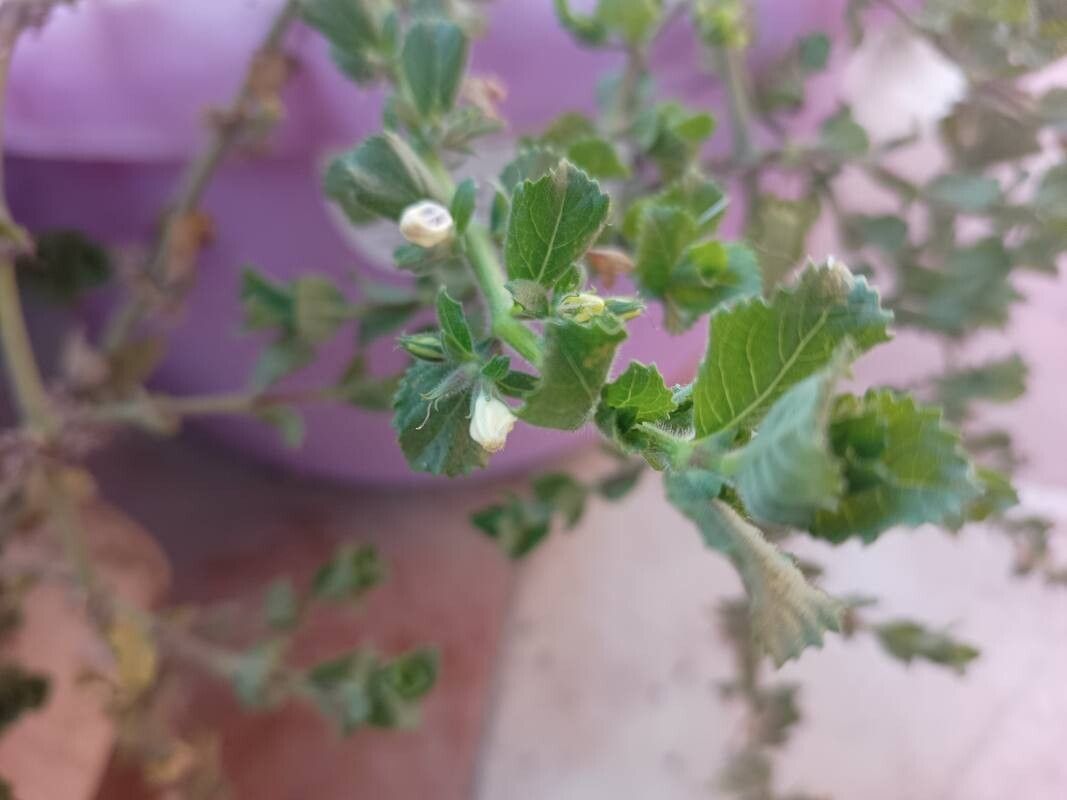
Ah, Hygrophila difformis! Isn’t it a fantastic plant? I’ve been growing it for years, and its adaptability and the sheer joy of watching it multiply always bring a smile to my face. Commonly known as Water Wisteria, it’s a stunner in both aquariums and as a houseplant. Its uniquely shaped leaves, which change dramatically depending on growing conditions (hence “difformis”), add such a dynamic texture to any green space. And the best part? Propagating it is incredibly straightforward. I’d say this is a wonderful plant for anyone dipping their toes into propagation, even if you’re new to the gardening world.
The Best Time to Start
Honestly, Hygrophila difformis is pretty forgiving, but you’ll get the most vigorous growth and quickest rooting if you start during its active growing season. For many of us, this means spring and summer. If it’s a houseplant that’s been thriving indoors under good light, you can actually propagate it successfully year-round. Just look for healthy, fast-growing stems – those are your prime candidates.
Supplies You’ll Need
Here’s what I usually have on hand when I’m propagating:
- Sharp scissors or pruning shears: Clean cuts are crucial.
- Rooting hormone (optional but helpful): A little boost never hurts.
- A small pot or container: For potting up your new babies.
- Well-draining potting mix: I often use a blend of peat moss, perlite, and a bit of coco coir. For aquatic setups, you can often skip soil entirely!
- Water: Fresh, clean water. If your tap water is very hard, consider using distilled or rainwater.
- A clear plastic bag or propagator: To create a humid environment.
Propagation Methods
Hygrophila difformis is a champion at propagation, and the easiest way by far is through stem cuttings.
- Select your stem: Look for a healthy, well-established stem that has at least 3-4 sets of leaves.
- Make the cut: Using your clean scissors, cut the stem about an inch below a set of leaves. You want to make a clean cut.
- Prepare the cutting: Gently remove the lower leaves, leaving just the top set or two. This prevents them from rotting when they’re submerged or in damp soil.
- Apply rooting hormone (optional): If you’re using rooting hormone, dip the cut end of the stem into it. Tap off any excess.
- Choose your method:
- Water Propagation (My Favorite for Speed!): Place the prepared cutting directly into a glass or jar of clean water. Make sure the nodes where you removed the leaves are submerged, but try to keep the remaining leaves out of the water. Place the jar in bright, indirect light. You should see tiny roots appearing from the nodes within a week or two.
- Soil Propagation: Plant the cutting directly into your prepared, moist potting mix. You can poke a small hole with a pencil tip and gently insert the cut end. Firm the soil gently around it. Keep the soil consistently moist but not waterlogged.
The “Secret Sauce” (Pro Tips)
Here are a few things I’ve learned that really make a difference:
- Don’t let the leaves touch the water/soil: I can’t stress this enough! Any submerged foliage is an invitation for rot. For water propagation, make sure only the stem is in the water. For soil, keep the leaves above the surface.
- Create humidity: Covering your pot with a clear plastic bag or placing your water jar in a propagator creates a humid microclimate. This is essential for cuttings as they don’t have roots yet and lose moisture easily through their leaves. Just remember to open it for a few minutes each day to allow for air circulation and prevent fungal issues.
- Patience with Bottom Heat (If Using Soil): If you’re propagating in soil and find it’s taking a while, a gentle source of bottom heat can really speed things up. A seedling heat mat works wonders, but just placing the pot in a consistently warm spot (like near a router or on top of a gently warm appliance) can help encourage those roots.
Aftercare & Troubleshooting
Once you see a good network of roots forming (about an inch long for water cuttings, or when you gently tug on a soil cutting and feel resistance), it’s time to pot up your new plant if you propagated in water. Plant it in its own small pot with well-draining soil. Continue to keep it moist and in bright, indirect light.
The most common problem you’ll encounter is rot. If your cutting turns mushy and black, the best thing to do is discard it and try again, paying closer attention to keeping things damp but not soggy, and ensuring no foliage is sitting in water. Yellowing leaves on a cutting can sometimes mean it’s not getting enough light, or it’s stressed. Just keep an eye on it and adjust conditions as needed.
A Encouraging Closing
Watching a new plant emerge from a simple cutting is one of the most rewarding aspects of gardening. Be patient with your Hygrophila difformis cuttings. They’re eager to grow, and with a little TLC, you’ll soon have a whole new legion of these beautiful plants to share or enjoy. Happy propagating!
Resource:
https://identify.plantnet.org/k-world-flora/species/Hygrophila%20difformis%20(L.f.)%20Blume/data