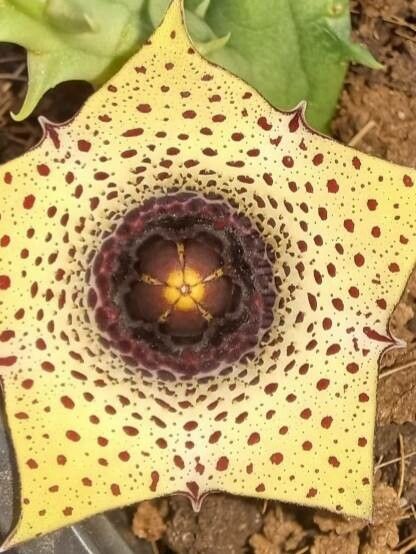
Hello fellow plant lovers! Today, we’re diving into the fascinating world of Huernia formosa propagation. This little star, with its quirky, spidery blooms, is a fantastic addition to any succulent collection. And the best part? Growing more of them yourself is incredibly rewarding. Think of it as nurturing new life, multiplying that unique beauty in your own home. Now, are they easy for beginners? I’d say they’re moderately easy. They’re not as foolproof as some succulents, but with a little care and attention, you’ll be successful.
The Best Time to Start
My golden rule for propagating most succulents, including Huernia formosa, is to do it when they are actively growing. This usually means late spring through summer. You’ll notice your plants are putting on new growth, looking plump, and generally full of life. This energy translates directly into a better chance of successful rooting. Trying to propagate when they’re resting in winter can lead to disappointment, as they just don’t have the vigor to put into developing new roots.
Supplies You’ll Need
Here’s what you should have on hand before you get started:
- Well-draining potting mix: A cactus or succulent mix is perfect. You can also create your own by mixing equal parts potting soil, perlite, and coarse sand.
- Clean, sharp pruning shears or a knife: Essential for making clean cuts to avoid damaging the plant or introducing disease.
- Rooting hormone (optional but helpful): This encourages faster and stronger root development.
- Small pots or trays: Clean containers, about 2-4 inches in diameter, with drainage holes are ideal.
- Watering can or spray bottle: For gentle watering.
- Labels/markers: To keep track of your propagation projects!
Propagation Methods
Huernia formosa is wonderfully amenable to a couple of easy propagation methods.
Stem Cuttings
This is my go-to method for Huernia. It’s straightforward and usually yields great results.
- Select a healthy stem: Look for a mature, but not woody, stem section. A piece that’s about 3-6 inches long is usually perfect.
- Make a clean cut: Using your sharp shears or knife, make a clean cut at the base of the stem you’ve chosen. If you’re taking multiple cuttings, wash your tool between cuts to prevent spreading any potential issues.
- Let it callous: This is a crucial step! Place the cuttings on a dry surface away from direct sunlight for 2-7 days. You want the cut end to dry out and form a callous. This prevents rot when you plant it.
- Dust with rooting hormone (optional): If you’re using rooting hormone, dip the calloused end into the powder, tapping off any excess.
- Plant your cutting: Fill your small pots with your well-draining mix. Make a small hole in the center and gently insert the calloused end of the cutting. Firm the soil gently around the base.
- Water sparingly: Wait about a week after planting before watering lightly. The soil should be barely moist. Overwatering at this stage is the quickest way to rot your cutting.
Division
If your Huernia formosa has grown into a larger clump, division is a great way to get multiple plants.
- Gently remove the plant from its pot: Turn the pot sideways and ease the plant out. You might need to gently tap the bottom.
- Inspect the root ball: Look for natural divisions where stems are separate and have their own root systems.
- Separate the divisions: With clean hands or a sterile knife, gently pull apart or cut through the root ball to separate the clump into smaller sections. Ensure each section has a good amount of roots and at least one or two healthy stems.
- Allow to callous (if roots were damaged): If you had to cut through many roots, let the divisions sit for a day or two to callous over.
- Pot them up: Plant each division in its own pot with well-draining soil.
- Water lightly: Water sparingly after planting, just like you would with stem cuttings.
The “Secret Sauce” (Pro Tips)
Here are a couple of things I’ve learned over the years that can make a big difference:
- Avoid covering the wound: When using stem cuttings, don’t let the cut end touch the water if you decide to try water propagation. While some succulents root in water, Huernias are more prone to rot this way. Stick to planting them in soil after they’ve calloused. If you do wind up with a cutting that’s a bit soft, I sometimes trim off the soft part and let it re-callous.
- Warmth is a willing partner: If you have a heat mat designed for seedlings, placing your pots on it can really speed up root formation. Huernias, like most succulents, appreciate a bit of warmth from below as they’re getting established. Just make sure it’s not too hot; think gentle warmth, not baking.
Aftercare & Troubleshooting
Once your cuttings have rooted (you’ll know they’re starting to root when you see new growth or feel a slight resistance when you gently tug on the stem), you can begin to water them a little more regularly. Water when the soil is dry to the touch, allowing excess water to drain away.
The biggest problem you’ll encounter is rot. Mushy, blackened stems are a sure sign of overwatering or inadequate drainage. If you spot this early, you might be able to cut off the healthy parts and try again, ensuring better care this time around. If your cutting just seems to shrivel up and shows no signs of life after several weeks, it likely didn’t form enough roots to sustain itself. Don’t be discouraged; these things happen!
A Encouraging Closing
Propagating Huernia formosa is a wonderful way to expand your collection and share these unique plants with friends. Be patient with the process – sometimes it takes a little while for those roots to develop. Enjoy watching your new babies grow, and don’t be afraid to experiment. Happy propagating!
Resource:
https://identify.plantnet.org/k-world-flora/species/Huernia%20formosa%20L.C.Leach/data