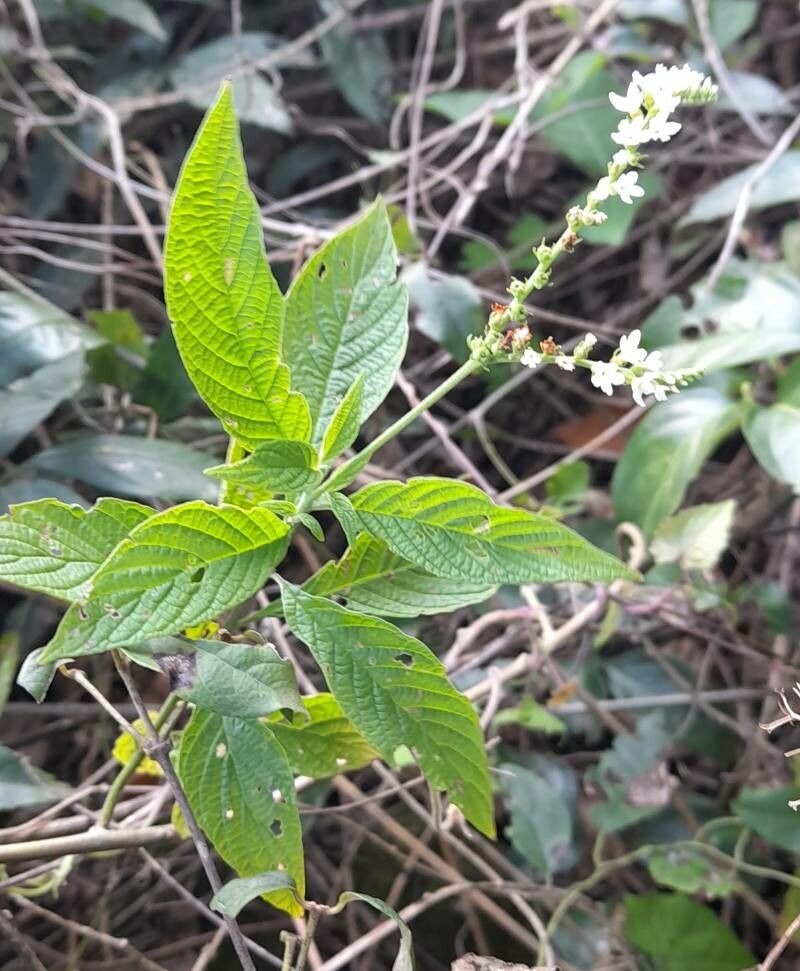
Oh, hello there, fellow plant lover! If you’ve ever been captivated by the intoxicating vanilla-almond scent and the deep, velvety purple blooms of Heliotropium transalpinum, then you’re in for a treat. Growing more of these beauties from cuttings is incredibly rewarding, and honestly, it’s not as daunting as you might think. I’ve been nurturing these fragrant charmers for two decades, and I’m delighted to share my secrets with you.
The Best Time to Start
For the highest success rate, late spring to early summer is your golden window. This is when the plant is actively growing and has plenty of energy to put into developing roots. You want to take cuttings from healthy, non-flowering stems. Look for stems that are a bit firm but still flexible – not woody, but not super soft and leggy either.
Supplies You’ll Need
Gathering your tools beforehand makes the whole process so much smoother. Here’s what you’ll want:
- Sharp pruning shears or a clean, sharp knife: For taking clean cuts.
- Rooting hormone powder or gel: This little helper really speeds things up.
- Small pots or seed trays: About 3-4 inches in diameter are perfect.
- Well-draining potting mix: A good blend of peat moss, perlite, and a bit of compost works wonders. You can even use a dedicated seed-starting mix.
- Clear plastic bags or humidity domes: To create a mini-greenhouse effect.
- Spray bottle: For misting.
- Water: For soaking cuttings (if you choose that method).
Propagation Methods
Two methods usually work best for Heliotropium transalpinum: stem cuttings and water propagation.
Stem Cuttings
- Take your cuttings: Select healthy stems and make a clean cut just below a leaf node (where a leaf joins the stem). Aim for cuttings that are about 4-6 inches long.
- Prepare the cuttings: Gently remove the lower leaves, leaving just a couple at the top. This prevents them from rotting in the soil.
- Dip in rooting hormone: Lightly moisten the cut end of the stem and dip it into your rooting hormone powder or gel. Tap off any excess.
- Plant the cuttings: Make a small hole in your prepared potting mix with a pencil or your finger. Insert the stem, making sure the leaf node where you removed the lower leaves is buried in the soil. Firm the soil gently around the cutting.
- Water and cover: Water your cuttings gently but thoroughly. Then, cover the pots with a clear plastic bag or a humidity dome. Poke a few small holes in the bag to allow for some air circulation.
- Place in bright, indirect light: Find a warm spot away from direct sunlight.
Water Propagation
- Select and cut: Similar to stem cuttings, choose healthy, non-flowering stems and cut them just below a leaf node. Remove the lower leaves.
- Place in water: Put the cuttings in a vase or jar filled with fresh water. Make sure no leaves are submerged in the water.
- Change water regularly: Change the water every few days to keep it fresh and prevent bacterial growth.
- Find a bright spot: Place the jar in a location with bright, indirect light. Roots should start to appear within a few weeks – it’s quite magical to watch!
- Pot up when ready: Once the roots are about an inch long, you can carefully transplant them into pots filled with your well-draining potting mix.
The “Secret Sauce” (Pro Tips)
Here are a couple of things I’ve learned over the years that can really boost your success:
- Don’t let the leaves touch the water (in water propagation): I can’t stress this enough! Any leaf that dips into the water is a prime candidate for rot, and that can quickly spread to your cutting. Keep those leaves high and dry.
- Bottom heat is your friend: If you’re using stem cuttings and finding they’re taking a while, popping them on a seedling heat mat can make a world of difference. It encourages root development from the bottom up. Even just placing them on top of a refrigerator can provide gentle warmth.
Aftercare & Troubleshooting
Once your cuttings have developed a good root system – you’ll know by gentle tugging (they’ll resist) or by seeing roots peeking out of the drainage holes – it’s time for more regular care. Gradually remove the plastic covering over a few days to acclimate them to lower humidity. Water them when the top inch of soil feels dry.
The biggest culprit for failure with Heliotropium cuttings is rot. If you see your cuttings wilting, turning black and mushy, or developing fuzzy mold, it’s usually a sign of overwatering or poor air circulation. Don’t be discouraged! Simply remove the affected cutting, clean your pot, and start again, paying close attention to drainage and not overwatering.
A Encouraging Closing
Creating new life from a simple stem is one of gardening’s greatest joys. Be patient with your new Heliotropium babies. Some will be faster than others, and that’s perfectly okay. Enjoy the process, learn from each cutting, and soon you’ll be surrounded by that wonderful scent and those gorgeous purple blooms. Happy propagating!
Resource:
https://identify.plantnet.org/k-world-flora/species/Heliotropium%20transalpinum%20Vell./data