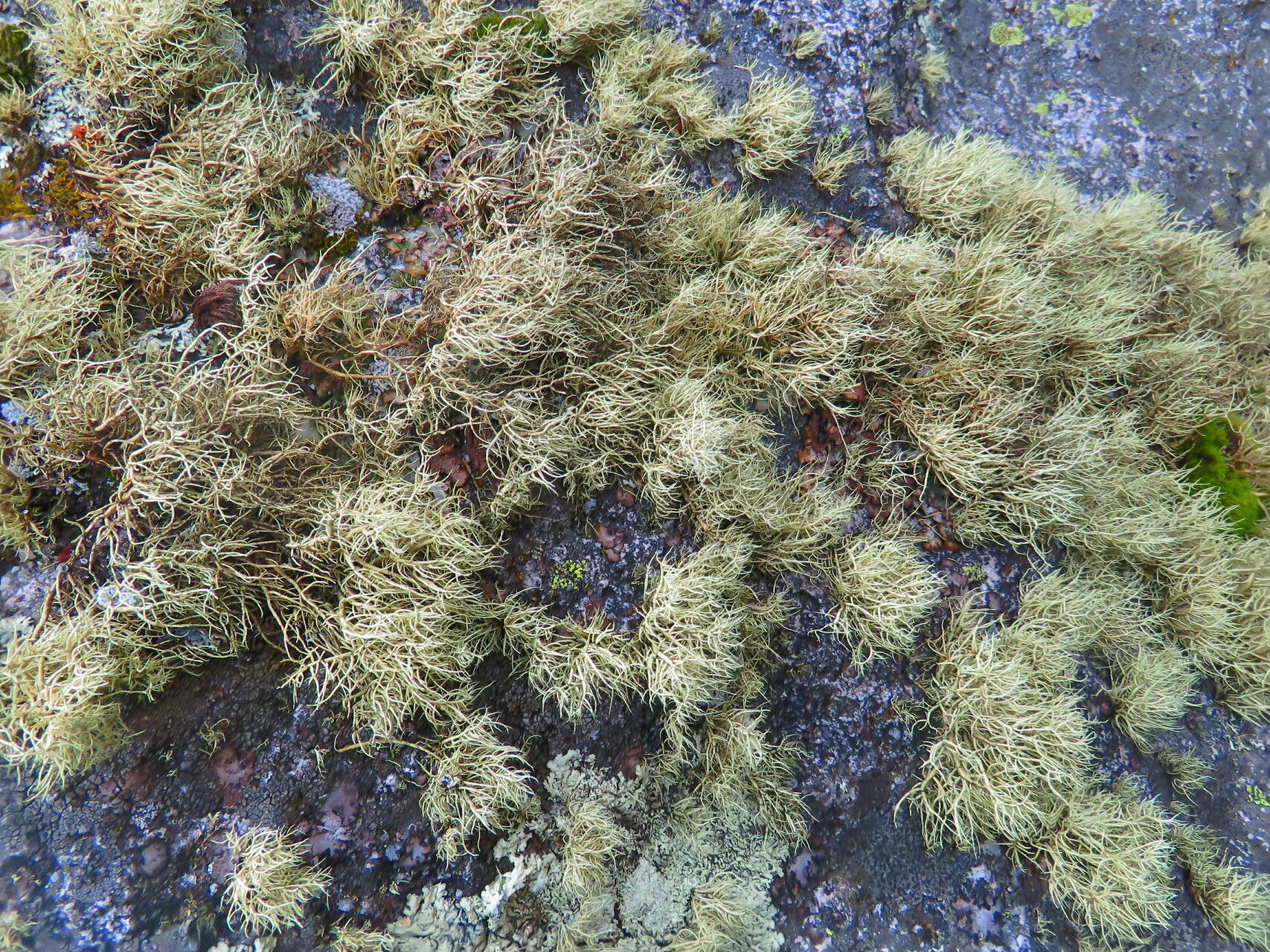
Hey there, fellow plant lover! Today, we’re diving into the wonderful world of Callitriche heterophylla, also known as Water Starwort. If you’ve ever admired its delicate, star-shaped leaves floating gracefully on the water’s surface, you’re in for a treat! Propagating this aquatic gem is incredibly rewarding, and honestly, it’s one of those plants that makes you feel like a gardening superhero. For beginners, it’s wonderfully forgiving, making it a fantastic starting point for anyone curious about aquatic plant propagation.
The Best Time to Start
The absolute sweet spot for propagating Callitriche heterophylla is during its active growing season. Think late spring through summer. This is when the plant is full of vigor, pumping out new growth that’s perfect for taking cuttings or dividing. Aim for days with plenty of natural light and warmth.
Supplies You’ll Need
Gathering your supplies makes the whole process smoother. Here’s what I usually have on hand:
- Sharp, clean pruning shears or scissors: A clean cut is crucial.
- Glass jars or small containers: For water propagation.
- A shallow tray or pot: If you’re leaning towards substrate propagation.
- Aquatic substrate (optional): For some methods, a bit of nutrient-poor gravel or sand can be helpful.
- Rooting hormone (optional): While not always strictly necessary for Callitriche, it can give an extra boost.
- Clean water: Tap water is usually fine, but letting it sit for 24 hours can help if your water is heavily chlorinated.
Propagation Methods
Let’s get our hands (slightly) wet! Here are the easiest ways I’ve found to multiply your Water Starwort:
Stem Cuttings
This is my go-to method because it’s so straightforward.
- Find a healthy stem: Look for a vibrant, injury-free stem from your mature plant.
- Make the cut: Using your sharp shears, snip off a section that’s about 3-5 inches long. Try to get a piece with a few sets of leaves.
- Prepare the cutting: Gently remove any leaves that will be below the waterline. This prevents them from rotting and encourages energy to go into root development.
- Place in water: Pop the prepared cutting into a jar or glass filled with clean water. Make sure the remaining leaves are above the water.
Water Propagation
This is essentially the same as stem cuttings, and it’s how I usually do it, as Callitriche absolutely thrives in water!
- Select a healthy piece: You can even use a longer section of stem, or perhaps a piece that broke off naturally.
- Trim if needed: Remove any submerged leaves.
- Float it: Place the cutting in your container of water. I often just let a few cuttings float freely or gently anchor them if necessary.
- Watch and wait: Roots should start to emerge from the submerged stem nodes within a week or two.
Division
If your Callitriche heterophylla is getting a bit bushy and you want to give it space, division is a great option.
- Gently remove from its home: Carefully lift the entire plant (or a section of it) from its aquatic environment.
- Inspect the root mass: You’ll likely see intertwined stems and roots.
- Separate with care: Gently tease apart the plant into smaller sections. If it’s stubborn, you can use your clean scissors to make a cut through dense roots and stems. Each section should have a decent bit of stem and hopefully some roots.
- Replant: Place the divided sections back into your aquarium or water feature.
The “Secret Sauce” (Pro Tips)
Here are a few little tricks I’ve learned over the years that can really boost your success:
- Don’t let the leaves touch the water! I can’t stress this enough. Submerged leaves are a fast track to rot. They need to breathe that surface air.
- Gentle flow is your friend: While it doesn’t need strong currents, a little bit of gentle water movement can actually prevent stagnant areas and encourage healthier growth on your cuttings. Avoid blasting them with a powerful filter!
- Don’t go overboard with fertilizer: Callitriche isn’t a heavy feeder, especially when it’s in the water. Too much nutrient-rich water can encourage algae over root growth. Keep it simple.
Aftercare & Troubleshooting
Once you see those charming little roots forming, congratulations! You’re almost there.
- For water propagation: Continue to keep the cuttings in water. As they grow more robust, you can gently place them into your established aquarium or water garden. You might want to let them develop a good set of roots before fully submerging them, or just plop them in – they usually adapt quickly.
- For division: Just settle those divided pieces back into their aquatic home. They should start to grow as if nothing happened.
Now, for the troubleshooting. The most common issue you might encounter is rot. If you see your cutting turning mushy or brown and dying off, it’s usually a sign that those submerged leaves were an issue, or the water quality isn’t ideal. Another sign of unhappiness can be yellowing leaves, which might indicate a lack of light or a nutrient imbalance (though less common with Callitriche). If this happens, check your water, your light, and make sure you’ve removed any decaying material.
A Little Encouragement
Propagating Callitriche heterophylla is such a joy. It’s a great way to fill out your aquatic spaces without spending a fortune. Be patient with the process, enjoy watching those tiny roots emerge, and don’t be afraid to experiment. Happy planting!
Resource:
https://identify.plantnet.org/k-world-flora/species/Callitriche%20heterophylla%20Pursh/data