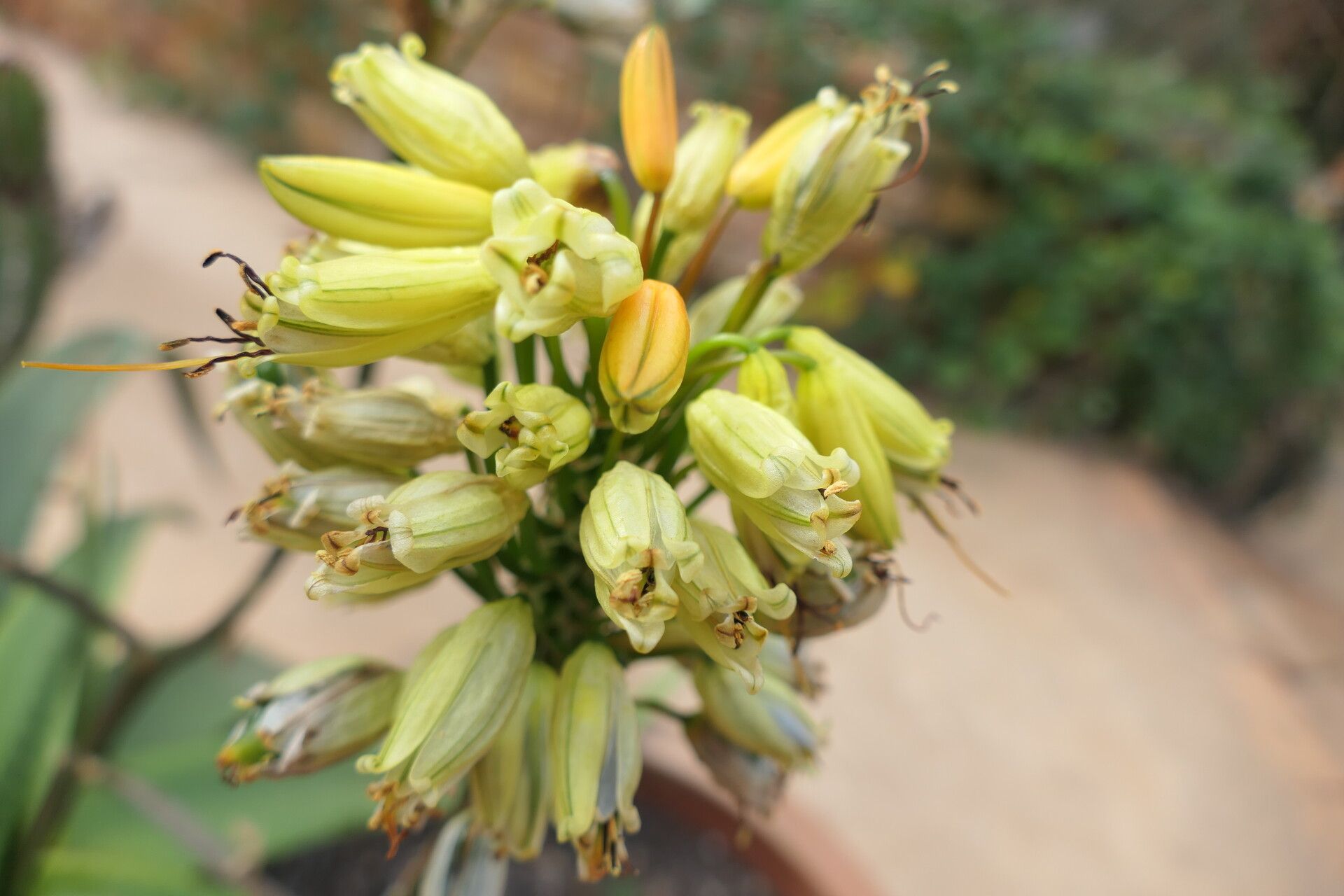
Oh, hello there! Come on in, grab a mug. It’s wonderful to chat with fellow plant lovers. Today, we’re diving into the delightful world of Aloe angelica.
Why Propagate Aloe angelica? It’s Pure Joy!
Honestly, I adore Aloe angelica. Its graceful, arching leaves, often with a subtle rosy blush at the tips, just exude elegance. It’s not as common as some of its cousins, making a propagated baby plant feel like a real treasure. And the best part? It’s surprisingly rewarding and, dare I say, quite forgiving. For beginners looking to dip their toes into propagation, Aloe angelica is a fantastic starting point. You’ll feel a real sense of accomplishment watching a new life emerge from a seemingly simple cutting.
The Best Time to Start: When the Magic Happens
The absolute sweet spot for propagating Aloe angelica is during its active growing season. Think late spring through summer. This is when the plant is thriving, full of energy, and ready to put down new roots. You can also try in early autumn, but you might find the process a little slower. Avoid trying when the plant is dormant in winter.
Supplies You’ll Need: Your Propagation Toolkit
Gathering your supplies ahead of time makes the whole process so much smoother. Here’s what I usually have on hand:
- Sharp, clean pruning shears or a knife: For making clean cuts. Sterilize them with rubbing alcohol between cuts, please!
- Well-draining potting mix: A cactus or succulent mix is perfect. You can also make your own by combining equal parts potting soil, perlite, and coarse sand.
- Small pots or propagation trays: Terracotta pots are great because they breathe.
- Watering can with a fine rose or a spray bottle: For gentle watering.
- Rooting hormone (optional but helpful): A powder or gel form.
- A tray or saucer: To catch excess water.
- Gloves (optional): Just in case you have sensitive skin.
Propagation Methods: Bringing New Aloe angelica to Life
Now, for the exciting part! Aloe angelica is primarily propagated by offsets (baby plants that sprout from the base) or from leaf cuttings. Let’s focus on the most reliable method for this particular aloe: offsets.
Propagation by Offsets (The Easiest Way!)
This is your go-to method for Aloe angelica. You’re essentially giving the little babies their own space to grow.
- Wait for the offsets to grow: Look for small pups emerging from the base of your mature Aloe angelica. Ideally, they should be about a third to half the size of the mother plant or have a few leaves of their own.
- Gently extract the offset: Carefully remove the parent plant from its pot. You can do this by tilting the pot on its side and gently coaxing the soil out.
- Separate the baby: Examine the base where the offset is attached to the mother plant. You’ll likely see fleshy roots connecting them. With your clean shears or knife, carefully cut the offset away from the mother plant. Try to get as many of its own roots as possible. If it doesn’t have many roots yet, don’t worry, it will grow them!
- Allow to callous: This is a crucial step! Place the separated offset in a dry, shaded spot for 2-3 days. This allows the cut end to dry out and form a callous over. This prevents rot when you plant it.
- Plant your new baby: Fill a small pot with your well-draining soil mix. Make a small hole in the center and plant the offset, tucking its base gently into the soil. It should stand upright on its own. If it’s a bit wobbly, you can prop it up with a small stone or skewer.
- Hold off on watering: Resist the urge to water immediately. Wait for about a week after planting before offering a light watering. This gives any remaining cut surfaces another chance to heal underground.
The “Secret Sauce”: My Top Tips for Success
I’ve learned a few things over the years that can make all the difference. Here are a couple of my favorite tricks:
- Don’t overwater, ever! This is the cardinal sin of succulent propagation. Aloe plants are desert dwellers; they hate soggy feet. When you do water, water thoroughly, but only when the soil is completely dry.
- Consider bottom heat: If you’re propagating during a cooler part of the growing season or in a less-than-tropical home, placing your pots on a seedling heat mat can significantly speed up root development. It mimics the warmth of the soil a parent plant would experience.
Aftercare & Troubleshooting: Nurturing Your New Growth
Once your baby Aloe angelica has been planted and you’ve given it that first drink, it’s time for patient nurturing.
- Light: Place your new plant in a spot with bright, indirect light. Direct, harsh sunlight can scorch young, sensitive leaves. As it grows stronger, you can gradually introduce it to more direct sun.
- Watering: Remember, less is more. Water only when the soil feels bone dry to the touch, all the way down. Stick your finger in about an inch or two.
- Signs of Failure: The biggest culprit is rot. If you notice the leaves turning mushy, turning yellow or brown and looking waterlogged, you’re likely overwatering. If the cutting shrivels completely and doesn’t show any signs of rooting after several weeks, it might not have enough stored energy or the conditions weren’t quite right. Don’t be discouraged if a cutting doesn’t make it; it happens to everyone!
Keep Planting, Keep Growing!
There you have it! Propagating Aloe angelica is a truly satisfying journey. It’s a wonderful way to multiply your collection and share these beautiful plants with friends. Be patient, trust the process, and enjoy watching your new little aloe baby unfurl its leaves and thrive. Happy propagating!
Resource:
https://identify.plantnet.org/k-world-flora/species/Aloe%20angelica%20Pole-Evans/data