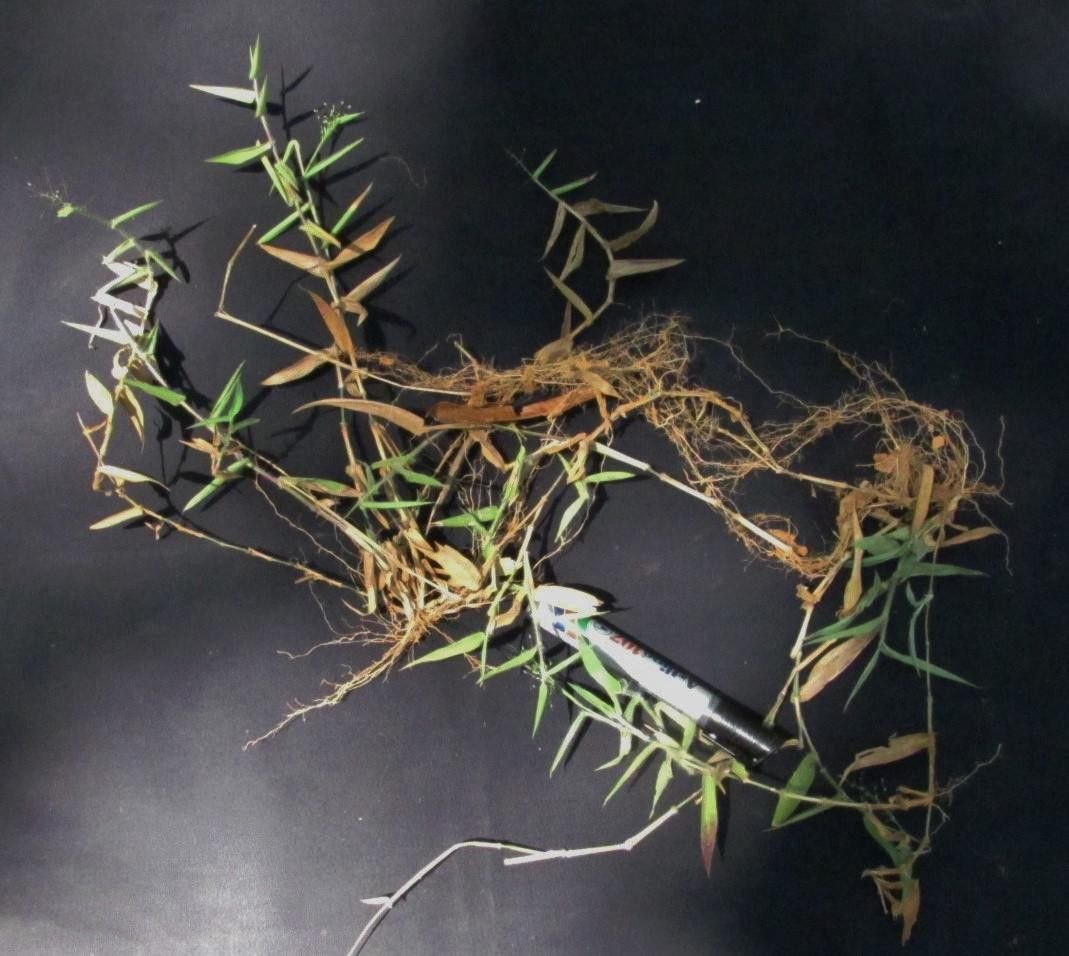
Hello, fellow plant lovers! Today, we’re diving into the wonderful world of propagating Panicum haenkeanum, also known as Alpina or the Andean Love Grass. If you’re drawn to its graceful, arching foliage and its ability to add a touch of wild elegance to your garden, you’re in for a treat. Propagating this beauty is a truly rewarding experience. It’s not overly fussy, making it a fantastic option for those dipping their toes into plant propagation for the first time, or seasoned gardeners looking to expand their collection.
The Best Time to Start
For the absolute best success with Panicum haenkeanum, I find early spring to early summer to be the sweet spot. This is when the plant is really putting on its growth spurt, and new shoots are vigorous and full of life. Starting during this active growing period gives your cuttings or divisions the best chance to establish themselves quickly.
Supplies You’ll Need
Gathering your tools beforehand makes the whole process so much smoother. Here’s what I always have on hand:
- Sharp pruning shears or a clean knife: For making precise cuts.
- Rooting hormone (optional but recommended): Especially helpful for cuttings.
- Well-draining potting mix: A good blend of potting soil, perlite, and maybe a bit of sand works wonders. Avoid anything too heavy.
- Small pots or trays: With drainage holes, of course!
- Plastic bag or clear propagator: To create a humid environment.
- Watering can with a fine rose: For gentle watering.
- Labels: To keep track of your new plants!
Propagation Methods
Panicum haenkeanum is a remarkably versatile plant when it comes to propagation. The two most straightforward methods are division and stem cuttings.
Division: Sharing the Wealth
This is arguably the easiest method for Panicum haenkeanum, especially with established clumps.
- Gently dig up the mother plant. Try to disturb the roots as little as possible.
- Inspect the root ball. You’ll often see distinct sections or crowns.
- Carefully pull the plant apart with your hands. For tougher divisions, you might need to use your pruning shears or knife to cut through the roots. Aim for divisions that have at least a few stems and a good amount of root mass.
- Replant your new divisions into pots filled with your well-draining soil, or directly into their new garden homes.
- Water thoroughly and keep the soil consistently moist (but not soggy) until you see new growth.
Stem Cuttings: Starting Anew
This method is excellent for creating many new plants from a single source.
- Select healthy, non-flowering stems. Look for stems that are about 4-6 inches long and have plenty of leaves.
- Make a clean cut just below a leaf node (where a leaf attaches to the stem).
- Remove the lower leaves. Leave just a few at the very top.
- Dip the cut end into rooting hormone. Tap off any excess.
- Insert the cuttings into pots filled with your pre-moistened, well-draining mix. Make a small hole with a pencil or dowel first to avoid rubbing off the rooting hormone.
- Gently firm the soil around the base of each cutting.
- Water lightly to settle the soil.
- Cover the pots with a plastic bag or place them in a propagator. This creates the necessary humidity to prevent the cuttings from drying out. Ensure the leaves aren’t touching the plastic.
- Place in bright, indirect light. Avoid direct sun, which can scorch the delicate cuttings.
The “Secret Sauce” (Pro Tips)
These little tricks have made all the difference for me over the years:
- Don’t be afraid to be a little ruthless with divisions. Sometimes, you have to sacrifice a few smaller bits to get strong, healthy clumps. A robust division is much more likely to thrive.
- Bottom heat is your friend for cuttings. If you have a heat mat, placing your propagation tray on it can significantly speed up root development. It mimics the warmth of spring soil and gives those roots a real boost.
- Watch the humidity like a hawk. Too little, and your cuttings shrivel. Too much, and you risk fungal diseases like rot. I like to “vent” my propagators daily for a few minutes to allow for fresh air exchange.
Aftercare & Troubleshooting
Once you see signs of new growth, like tiny leaves emerging or resistance when you gently tug on a cutting, you’re on the right track!
- Gradually acclimate your new plants to normal conditions. If they’ve been under plastic, start by removing the cover for longer periods each day.
- Continue to keep the soil consistently moist. As they grow stronger, you can gradually reduce watering, allowing the top inch of soil to dry out between waterings.
- Watch out for rot. This is often the biggest culprit if things go wrong. Yellowing, mushy stems, or a foul smell are tell-tale signs. If you spot it, remove the affected parts immediately and improve air circulation. Sometimes, a plant can be saved by taking a new healthy cutting from the unaffected parts. Overwatering is the usual cause, so ensure excellent drainage.
A Word of Encouragement
Propagating plants is a journey of observation and patience. Not every attempt will be a roaring success, and that’s perfectly okay! Each effort teaches you something new. Enjoy the process, celebrate each new little sprout, and soon you’ll have a whole garden full of beautiful Panicum haenkeanum. Happy gardening!
Resource:
https://identify.plantnet.org/k-world-flora/species/Panicum%20haenkeanum%20J.Presl/data