Hello there, fellow plant lovers!
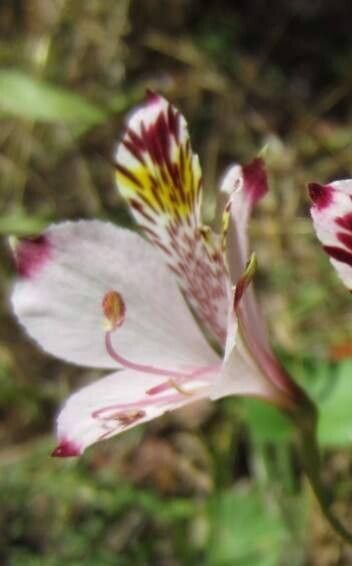
I’ve always had a soft spot for Alstroemeria pulchra, or the Peruvian Lily, as it’s commonly known. Those vibrant, trumpet-shaped blooms, often splashed with intricate markings, just bring so much cheer to the garden. And the best part? They’re not overly fussy once established. If you’ve admired this beauty and thought about growing more of them, you’re in luck! Propagating your own Alstroemeria pulchra is a totally doable and incredibly rewarding endeavor. It’s a plant that’s moderately easy to propagate, making it a great project for those of you who are looking to expand your green thumb skills beyond the basics.
The Best Time to Start
For Alstroemeria pulchra, the sweet spot for propagation is usually in the spring, just as new growth is really getting going. You want to catch it when the plant is actively producing fresh shoots. This gives the young cuttings or divisions plenty of time to establish themselves before the heat of summer or the chill of fall. Aim for a time when your local weather is mild and consistent – no harsh frosts or scorching heat waves for your tender new babies.
Supplies You’ll Need
Gathering your tools beforehand makes the whole process smoother. Here’s what I usually have on hand:
- Sharp Pruning Shears or a Knife: Make sure they’re clean to prevent disease.
- Potting Mix: A well-draining mix is key. I like to combine equal parts coarse sand, perlite, and a good quality seed-starting mix.
- Small Pots or Seedling Trays: Terracotta pots are nice because they breathe, but plastic ones work too.
- Rooting Hormone (Optional but Recommended): A powder or gel can really give your cuttings a boost.
- Watering Can or Spray Bottle: For gentle watering.
- Labels and a Marker: It’s so easy to forget what you planted where!
- A Small Trowel: For dividing plants.
- Clear Plastic Bags or a Mini Greenhouse: To create a humid environment.
Propagation Methods
Alstroemeria pulchra can be propagated in a couple of ways, but my favorite and most successful methods are through division and stem cuttings.
Division (The Easiest Way!)
This is often the most straightforward approach for Alstroemeria pulchra, especially if you already have a mature plant.
- Tease Apart the Roots: In the spring, gently dig up your established Alstroemeria plant. Try to disturb the roots as little as possible. You’ll see fleshy, tuberous roots. The goal is to gently tease apart these clumps into smaller sections. Make sure each section has at least one or two growth buds or shoots.
- Separate with Care: If the clumps are really dense, you might need to use a clean trowel or even your hands to carefully split them. Avoid cutting through the main root mass if you can.
- Replant Immediately: Plant your divisions in pots filled with that well-draining mix, or back into their desired garden spot. Ensure the top of the root ball is about an inch below the soil surface. Water them in well.
Stem Cuttings
This method takes a bit more patience but is fantastic for creating multiple new plants from a single parent.
- Take Your Cuttings: In spring, look for healthy, non-flowering shoots that are about 4-6 inches long. Using your clean shears, make a cut just below a leaf node (where a leaf attaches to the stem).
- Prepare the Cuttings: Gently remove the lower leaves from the cutting, leaving just the top few. If you’re using rooting hormone, dip the cut end into it according to the package directions.
- Pot Them Up: Fill your small pots with your prepared, slightly moist potting mix. Make a small hole in the center with your finger or a pencil. Insert the cutting into the hole, making sure the leaf node is buried. Gently firm the soil around the stem.
- Create a Humid Environment: Water the soil lightly. Then, place the pot inside a clear plastic bag or cover it with a propagating lid. You want to create a mini greenhouse effect to keep the humidity high.
The “Secret Sauce” (Pro Tips)
Here are a few things I’ve learned over the years that can really make a difference:
- For Cuttings, Don’t Let Leaves Touch Water: If you opt for water propagation with cuttings (which is less common for Alstroemeria pulchra, but possible), it’s crucial that no leaves are submerged in the water. Leaves in standing water tend to rot very quickly, which will doom your cutting before it even has a chance to root.
- Bottom Heat is Your Friend: For stem cuttings, placing your pots on a gentle heat mat can significantly speed up the rooting process. It mimics the warmth of spring soil and encourages those roots to develop faster. Just make sure the heat isn’t too intense.
- Patience is Paramount: Alstroemeria pulchra roots can be a tad slow to develop, especially from cuttings. Don’t be tempted to keep digging them up to check for roots. Resist the urge! Wait at least 4-6 weeks, and even then, give them another week or two.
Aftercare & Troubleshooting
Once your divisions are planted or your cuttings have rooted (you can gently tug on a cutting – if there’s resistance, you likely have roots!), they need a little TLC.
- Watering: Keep the soil consistently moist but not waterlogged. Overwatering is the quickest way to invite rot. As the plant grows and matures, you can gradually reduce watering frequency.
- Light: Provide bright, indirect light. Once established and moved outdoors, they’ll appreciate full sun to partial shade, depending on your climate.
- Troubleshooting: The most common issue you’ll face is rot, usually caused by too much moisture. If you see shoots wilting or turning mushy, it’s often a sign of overwatering or poor drainage. Unfortunately, once rot sets in, it’s hard to save the plant. Keep an eye on your soil moisture, and ensure good air circulation around your young plants.
Happy Propagating!
Watching a tiny cutting or a divided clump transform into a blooming Alstroemeria pulchra is one of those simple garden joys. Be patient with the process, celebrate every little bit of progress, and enjoy the journey of growing more of these delightful flowers. Happy gardening, my friends!
Resource:
https://identify.plantnet.org/k-world-flora/species/Alstroemeria%20pulchra%20Sims/data