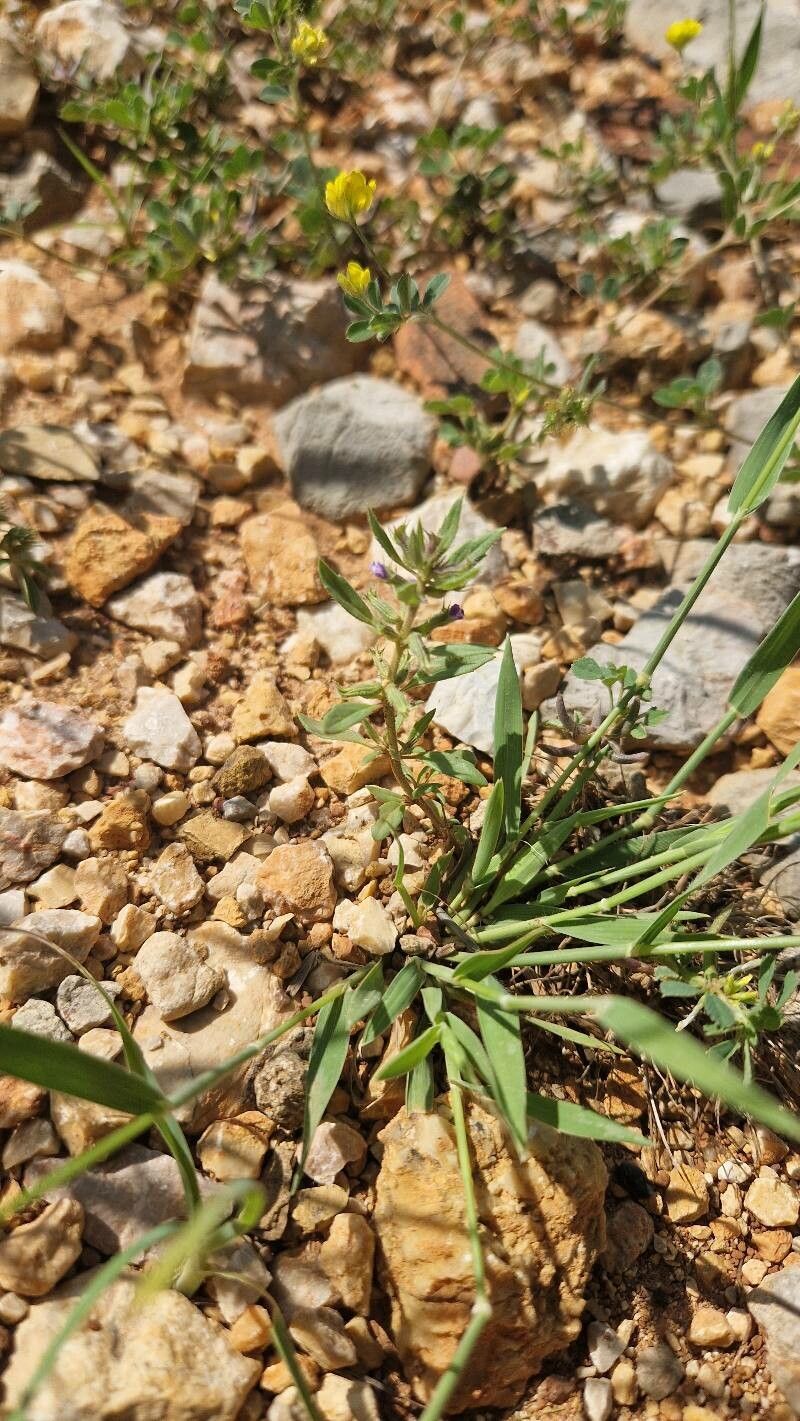
Hello there, fellow garden enthusiasts! Today, we’re diving into the wonderful world of propagating Clinopodium acinos, also known as the common calamint. I’ve always found this little herb to be a gem in the garden. Its delicate, aromatic leaves and pretty little flowers are simply charming, attracting all sorts of beneficial pollinators. Honestly, there’s such a joy in seeing a plant you nurtured from a tiny sliver of itself grow into something beautiful. And the good news? For those of you just dipping your toes into the propagation pond, I’d say Clinopodium acinos is pretty beginner-friendly. You’ve got this!
The Best Time to Start
Timing is everything in gardening, and with Clinopodium acinos, the sweet spot is generally late spring to early summer. This is when the plant is actively growing and has plenty of vigorous young stems to work with. You’re looking for stems that are not yet woody but have a bit of firmness to them – we call these “semi-hardwood” cuttings. Starting around now gives your new plants plenty of time to establish good roots before the cooler weather creeps in.
Supplies You’ll Need
Gathering your supplies before you begin makes the whole process smoother. Here’s what I always have on hand:
- Sharp pruning shears or a clean craft knife: Essential for making clean cuts.
- Rooting hormone (optional, but recommended): This little powder or gel really helps speed things up. I usually opt for a powder.
- Seed-starting mix or a gritty potting mix: Something that drains really well is key. A mix of perlite and peat moss works wonders.
- Small pots or propagation trays: Make sure they have drainage holes!
- Plastic bags or a propagation dome: To keep humidity high.
- Water mister: For gentle watering.
- Labels: So you don’t forget what you planted where!
Propagation Methods
Let’s get our hands dirty! Clinopodium acinos is quite adaptable, so you have a couple of great options.
1. Stem Cuttings (My Go-To!)
This is my favorite and most reliable method for this plant.
- Select your cuttings: Find a healthy, actively growing stem. Using your sharp shears or knife, take cuttings that are about 4-6 inches long. Try to make your cut just below a leaf node (where a leaf meets the stem).
- Prepare the cuttings: Gently remove the lower leaves from the bottom half of the cutting. This prevents them from rotting in the soil. You can leave 2-3 sets of leaves at the top. If the top leaves are very large, you can even cut them in half horizontally to reduce water loss.
- Dip in rooting hormone (optional): Lightly moisten the bottom inch of the cutting and dip it into your rooting hormone. Tap off any excess.
- Plant your cuttings: Fill your small pots or trays with your well-draining mix. Make a hole with a pencil or your finger and insert the cutting, ensuring the leaf nodes where you removed the leaves are below the soil surface. Gently firm the soil around the base of the cutting.
- Water gently: Use your mister to lightly water the soil. You want it moist, not waterlogged.
- Create humidity: Cover the pots with a plastic bag or a propagation dome. You can use skewers to prop the bag up so it doesn’t touch the leaves. Place them in a bright spot, but out of direct, harsh sunlight.
2. Division (When Your Plant Gets Bushy!)
If your existing Clinopodium acinos has grown into a nice, full clump, division is a fantastic and easy way to get more plants.
- Gently unpot: Carefully remove the entire plant from its pot. If it’s in the ground, dig around it and lift gently.
- Separate the root ball: You can often gently tease apart sections of the root ball with your fingers. If it’s a bit stubborn, use a clean trowel or even a sharp knife to divide the plant into smaller clumps. Ensure each division has a good amount of roots and some top growth.
- Replant immediately: Pot up your divisions into their own pots with fresh, well-draining soil, or replant them directly into your garden beds. Water them in well!
The “Secret Sauce” (Pro Tips)
Here are a couple of things I’ve learned over the years that can make a big difference:
- The “Air Gap” Trick: When you’re doing stem cuttings and have them in pots, try to ensure no leaves are touching the soil surface. If leaves decay on the soil, it can encourage fungal growth and rot, which is one of the quickest ways to lose a cutting.
- Bottom Heat is Your Friend: While not strictly necessary for Clinopodium acinos, placing your propagation pots on a warm propagation mat can significantly speed up root development. It mimics the warmth of spring soil and gives those little roots a real boost. If you don’t have a mat, placing them on top of a warm appliance (like on top of your refrigerator, but be careful!) might offer a similar effect, though it’s less consistent.
Aftercare & Troubleshooting
Once you start seeing little roots emerging from the drainage holes or a gentle tug on the cutting reveals resistance (meaning roots are forming!), it’s time to treat them like little seedlings.
- Gradually acclimate: If you’ve covered them, slowly start to remove the plastic cover over a few days to get them used to ambient humidity.
- Watering: Water them when the top inch of soil feels dry. Avoid letting them sit in standing water.
- Light: Continue to keep them in bright, indirect light. As they get stronger, they can tolerate more direct sun.
- Troubleshooting: The most common issue is rot, often recognized by a cutting turning mushy and black. This is usually due to overwatering or poor drainage. If you see signs of rot, it’s best to discard the affected cutting. Wilting can also occur if the cutting is too dry or if it hasn’t rooted yet and is losing moisture faster than it can absorb it. Just ensure consistent moisture, and often they’ll perk up.
A Little Patience, A Lot of Reward
Propagating your own plants is such a rewarding journey. There might be a few tries that don’t work out, and that’s perfectly okay – even experienced gardeners have those moments! But with Clinopodium acinos, you’re working with a resilient little plant. Be patient, enjoy the process of nurturing new life, and soon you’ll have a whole lot more of this lovely herb to enjoy in your garden or share with friends. Happy propagating!
Resource:
https://identify.plantnet.org/k-world-flora/species/Clinopodium%20acinos%20(L.)%20Kuntze/data