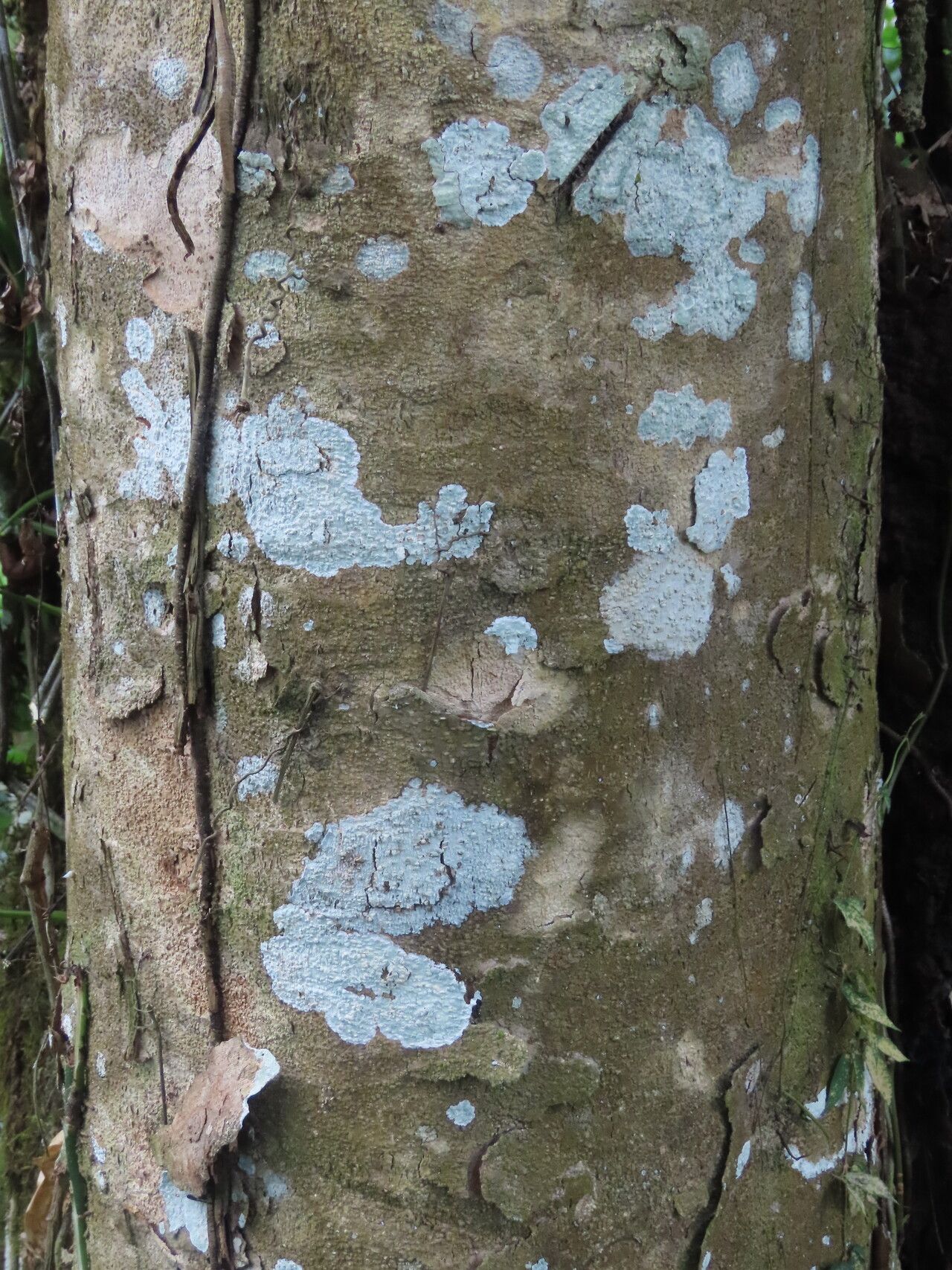
You know, there’s a special kind of magic in coaxing new life from an established plant. It’s like unlocking a secret, and when it comes to Casearia corymbosa, that magic is particularly rewarding. This lovely native shrub, with its delicate white flowers and lush foliage, brings a touch of the tropics right into our gardens. Propagating it yourself means you can share its beauty with friends, fill your space with more of its charm, or even start a little shade garden feature. For beginners? I’d say it’s moderately easy, with a little patience and the right approach.
The Best Time to Start
Spring is truly your best bet for getting Casearia corymbosa cuttings to take. That’s when the plant is bursting with new growth, and the stems are active and full of vigor. I usually aim for late spring, just as the initial flush of growth has started to firm up a bit, but before the really intense heat of summer sets in.
Supplies You’ll Need
Gathering your tools beforehand makes the whole process much smoother. Here’s what I always lay out:
- Sharp Pruning Shears or a Knife: Cleanliness is key!
- Potting Mix: A good mix of peat moss, perlite, and a bit of compost works wonderfully. You want something that drains well.
- Rooting Hormone (Optional but Recommended): A powdered form is easy to use.
- Small Pots or Trays: Clean containers with drainage holes are essential.
- Watering Can or Spray Bottle: For gentle watering.
- Plastic Bag or Humidity Dome: To keep the cuttings moist.
Propagation Methods
For Casearia corymbosa, stem cuttings are typically the most reliable method. Here’s how I go about it:
- Take Your Cuttings: On a bright, mild day in late spring, select healthy, non-flowering stems. Look for pieces that are about 4-6 inches long. Make a clean cut just below a leaf node (where a leaf attaches to the stem). This is where the magic of root initiation happens.
- Prepare the Cuttings: Gently remove the lower leaves from the bottom half of each cutting. This prevents them from rotting once planted. You can leave the top few leaves on to help the cutting photosynthesize. If your leaves are very large, you can even cut them in half to reduce water loss.
- Apply Rooting Hormone: Dip the cut end of each stem into your rooting hormone powder. Tap off any excess. This step isn’t strictly necessary, but it can significantly increase your success rate.
- Plant the Cuttings: Fill your small pots with your prepared potting mix. Gently poke a hole in the center of the soil with a pencil or your finger. Insert the cutting into the hole, ensuring the leaf nodes you stripped are below the soil surface. Firm the soil gently around the cutting.
- Create a Humid Environment: Water the soil thoroughly until excess water drains from the bottom. Then, carefully place each pot inside a clear plastic bag, or cover your tray with a humidity dome. You want to create a mini greenhouse effect, trapping moisture around your cuttings.
The “Secret Sauce” (Pro Tips)
Here are a couple of things I’ve learned over the years that really make a difference:
- Don’t let those lower leaves touch the soil. Seriously, this is a big one. If they sit in damp soil, they’ll rot, and that rot can travel up the stem and kill your cutting before it even has a chance to root. Make sure they are well above the soil line.
- Bottom heat can be a game-changer. If you have a seedling heat mat, placing your pots on it can provide gentle warmth that encourages root development. It mimics the feeling of being in a warmer, sunnier spot where roots love to grow.
Aftercare & Troubleshooting
Once your cuttings are planted, keep them in bright, indirect light. Direct sun will scorch them. Check the soil moisture regularly. You want it to be consistently moist, but not waterlogged. The plastic bag or dome will help with this, but don’t forget to peek.
You’ll know your cuttings have rooted when you see new leaf growth, or when you gently tug on a cutting and feel resistance. This can take anywhere from 4-8 weeks, so be patient!
The most common problem you’ll encounter is rot. If a cutting turns black and mushy, it’s a sign of too much moisture and not enough air circulation. If you see this, remove the affected cutting immediately and check the moisture levels of the others. Sometimes, the problem can be lack of humidity; in that case, ensure your plastic bag or dome is sealed well.
A Encouraging Closing
Watching those tiny roots emerge is a thrill, isn’t it? Don’t get discouraged if not every cutting makes it. Gardening is a journey of learning and experimenting. Be patient with your Casearia corymbosa, offer it a good start, and you’ll soon be enjoying the satisfaction of growing your own beautiful plants. Happy propagating!
Resource:
https://identify.plantnet.org/k-world-flora/species/Casearia%20corymbosa%20Kunth/data