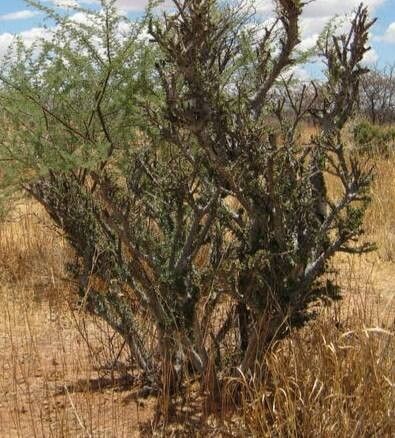
Oh, hello there! Let’s chat about a truly special tree, Boscia albitrunca, often called the shepherd’s tree. If you’ve ever had the pleasure of seeing one, you know why it’s so loved. Its distinctive white trunk and mop-like canopy often stand solo in arid landscapes, a beacon of resilience and beauty. And let me tell you, coaxing new life from this magnificent tree is incredibly rewarding. Now, a heads-up: Boscia albitrunca can be a bit of a diva when it comes to propagation. It’s not quite a “stick it in the ground and hope for the best” kind of plant, but with a little know-how and patience, absolutely achievable.
The Best Time to Start
Timing is everything, as any seasoned gardener knows. For Boscia albitrunca, you’ll have the best luck starting your propagation efforts towards the end of the wet season or the beginning of the dry season. This usually falls between late spring and early summer. The plant is actively growing and has energy reserves to put into developing roots, and the slightly less intense heat of early summer is more forgiving than the scorching peak.
Supplies You’ll Need
To get your Boscia albitrunca propagation underway, gather these essentials:
- Clean, sharp pruning shears or a sharp knife: For making clean cuts.
- Rooting hormone (optional, but recommended): A powder or gel to encourage root development. Look for one with IAA or IBA.
- Well-draining potting mix: A blend of coarse sand, perlite, and a bit of peat moss or compost works wonderfully. Think arid conditions!
- Small pots or seed trays: With drainage holes, of course.
- Clear plastic bags or a propagation dome: To maintain high humidity.
- Watering can or spray bottle: For gentle watering.
- A warm, bright location: But out of direct, harsh sunlight.
Propagation Methods
Let’s get our hands dirty with the most reliable methods for Boscia albitrunca.
Stem Cuttings
This is generally the most successful route for this tree.
- Select your cuttings: Look for healthy, semi-hardwood stems that are about pencil thickness and 6-8 inches long. These are usually found on branches that are a year or two old – not too soft and new, but not woody and old.
- Make the cut: Using your clean shears, take a cutting just below a leaf node. Remove the lower leaves, leaving just a few at the top.
- Apply rooting hormone: Dip the cut end into your rooting hormone, tapping off any excess.
- Plant the cutting: Make a hole in your well-draining potting mix with a pencil or your finger. Insert the cutting, ensuring the rooting hormone-coated end is nestled in the soil. Gently firm the soil around it.
- Water and cover: Water the pot gently. Then, cover the pot with a clear plastic bag or place it under a propagation dome to create a humid environment. Secure the bag around the pot with a rubber band or string.
Water Propagation (with a caveat!)
While tempting, I find water propagation for Boscia albitrunca is less reliable for long-term success compared to soil. However, if you’re curious to see root development, you can try this:
- Prepare the cutting: Follow steps 1 and 2 from the stem cuttings method.
- Place in water: Submerge the bottom 2-3 inches of the cutting in a clean jar or glass of water.
- Change water regularly: Change the water every couple of days to keep it fresh and prevent bacterial growth.
- Observe: You might see some callus formation and eventually small roots. Once these roots are about an inch long, it’s crucial to transfer them to soil immediately.
The “Secret Sauce” (Pro Tips)
Here are a few little tricks that have served me well over the years:
- Bottom Heat is Your Friend: Boscia albitrunca loves warmth for rooting. Placing your pots on a heat mat specifically designed for propagation can significantly speed up root formation. It mimics the warmth of the soil it’s naturally accustomed to.
- Don’t Drown Your Cuttings: While humidity is key, overwatering is a killer. The soil should be consistently moist but never soggy. If you see water pooling in the tray, it’s too much.
- Wipe That Sweat! If you’re using a plastic bag, you’ll notice condensation forming. Periodically wipe down the inside of the bag to prevent fungal diseases from setting in. A little condensation is good, a lot of dripping water is not.
Aftercare & Troubleshooting
Once you start seeing new leaf growth, that’s a fantastic sign that roots are developing!
- Gradual Acclimatization: Slowly introduce your new plant to less humid conditions. For the first week, remove the plastic bag for a few hours each day. Then, remove it completely.
- First Watering: When you notice roots peeking out of the drainage holes, it’s time for its first proper watering. Water thoroughly until it drains freely.
- Signs of Trouble: The most common issue is stem rot, which looks like a soft, mushy, browning stem. This is usually a sign of too much moisture and not enough air circulation. If you see this, sadly, that cutting is likely lost. Another sign is wilting that doesn’t improve after watering; this can indicate a lack of roots or a rot issue.
Don’t get discouraged if not every cutting takes. Propagation is a bit of an art, and nature has its own pace. Be patient with your Boscia albitrunca. Enjoy the process of nurturing these little beginnings, and soon enough, you’ll have your very own shepherd’s trees to admire and share. Happy gardening!
Resource: