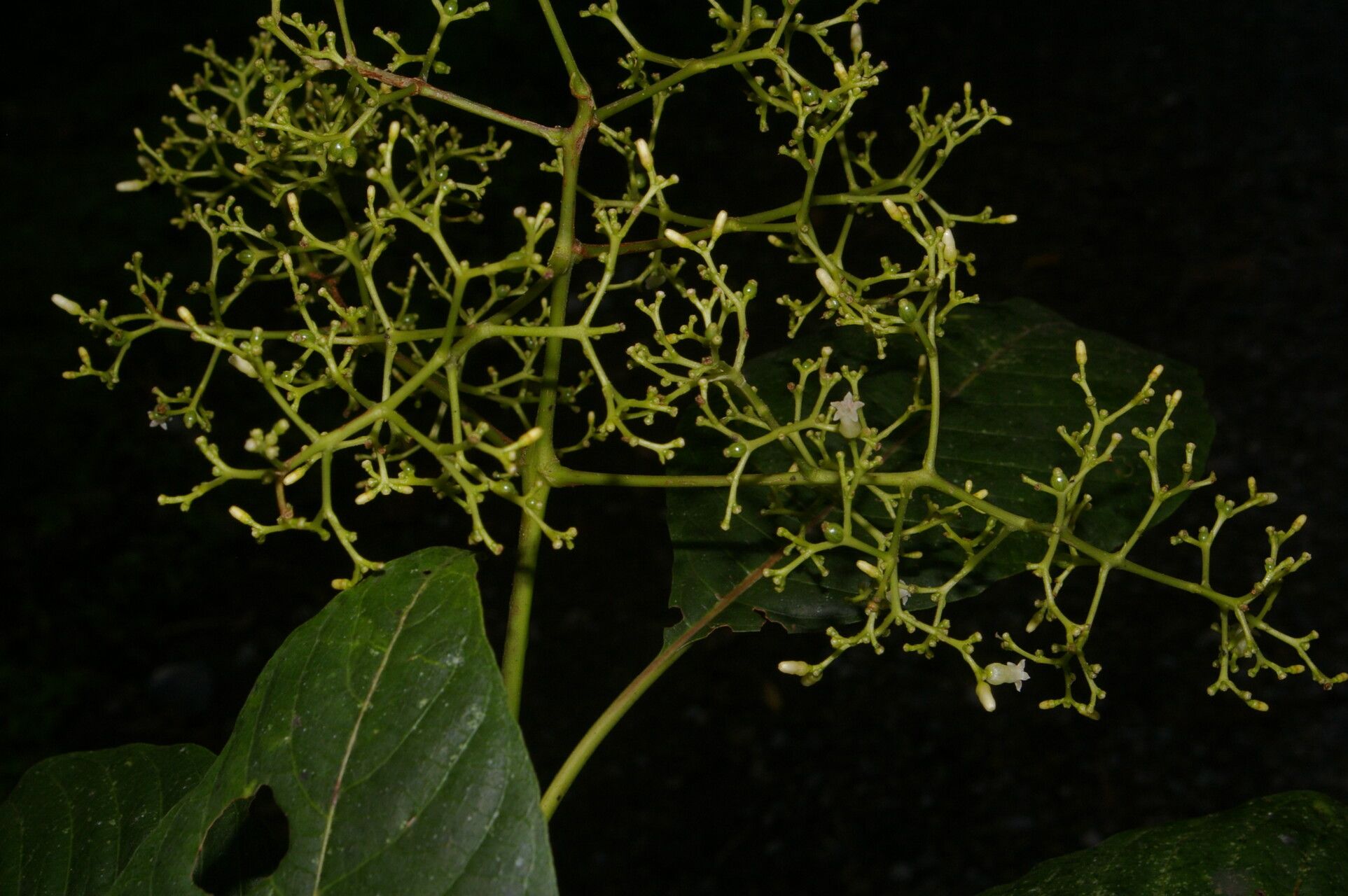
Hello, fellow plant lovers! It’s so good to have you here in my little corner of the garden. Today, we’re diving into the wonderful world of Palicourea angustiflora, a plant that brings such vibrant color and life to any space. Its striking blooms are like little jewels, and trust me, the feeling of growing your own from scratch is incredibly satisfying. Now, if you’re new to plant propagation, I’ll be honest, Palicourea can be a tad on the challenging side. But don’t let that deter you! With a little patience and the right approach, you absolutely can succeed.
The Best Time to Start
For the highest success rate with Palicourea angustiflora, you want to tap into its natural vigor. The absolute best time to start is during its active growing season. This usually means from late spring through summer. You’re looking for healthy, new growth – think stems that are firm but not woody. Avoid taking cuttings from old, brittle branches or those that are flowering heavily.
Supplies You’ll Need
Gathering your supplies beforehand makes the whole process so much smoother! Here’s what I always have on hand:
- Sharp Pruning Shears or a Clean Knife: For making clean cuts.
- Rooting Hormone (Optional but Recommended): A powder or gel can give your cuttings a significant boost. Look for one containing indole-3-butyric acid (IBA).
- Well-Draining Potting Mix: I like a blend of peat moss, perlite, and a little bit of orchid bark. A good succulent or cactus mix also works well in a pinch.
- Small Pots or Seedling Trays: About 4-inch pots are perfect to start.
- Clear Plastic Bags or a Propagator: To create a humid environment.
- Spray Bottle: For misting.
- Labels and a Pen: Essential for keeping track of what you’ve planted!
Propagation Methods: Let’s Get Growing!
While Palicourea can be tricky, stem cuttings are your most reliable bet. Here’s how I do it:
- Select Your Cuttings: Look for healthy, non-flowering stems on your mature Palicourea. You want pieces that are about 4-6 inches long.
- Make the Cut: Using your clean shears or knife, make a clean cut just below a leaf node. A leaf node is where a leaf grows from the stem; this is where roots are most likely to form.
- Prepare the Cutting: Gently remove the lower leaves, leaving just the top two or three sets. This helps prevent rot and directs the plant’s energy into root development.
- Apply Rooting Hormone (Optional but helpful): Dip the cut end of the stem into your rooting hormone, tapping off any excess.
- Pot Them Up: Fill your small pots with your well-draining potting mix. Make a small hole in the center of the soil with your finger or a pencil.
- Insert the Cutting: Place the prepared cutting into the hole, ensuring the leaf nodes you removed are buried. Gently firm the soil around the stem.
- Water Gently: Water the soil sparingly, just enough to moisten it. Avoid waterlogging.
- Create Humidity: This is crucial! Place the pots inside a clear plastic bag or a propagator. Seal it up, leaving a few small openings for air circulation, or poke a few holes in the bag.
- Provide Bright, Indirect Light: Find a warm spot that gets plenty of bright, indirect light – think a windowsill that doesn’t get direct sun.
The “Secret Sauce” (Pro Tips)
After years of tinkering, I’ve learned a few tricks that make a big difference:
- The “Wiggle Test” for Moisture: Don’t just stick your finger in the soil. When in doubt, gently wiggle the cutting. If it feels loose, give it a tiny bit of water. If it feels firm, leave it be. Overwatering is the fastest way to lose a cutting.
- Bottom Heat is Your Friend: If you have a seedling heat mat, this is the perfect application for it. Providing gentle warmth from below encourages root development significantly. Just place your pots on top of the mat.
- Don’t Give Up Too Soon: Palicourea can be slow to root. I’ve had cuttings take 8-12 weeks, sometimes even longer, to show real signs of growth. Be patient!
Aftercare & Troubleshooting
Once you start seeing new growth or feel some resistance when gently pulling on the cutting, congratulations! It’s likely rooted.
- Gradually Acclimate: Slowly reduce the humidity over a week or two by opening the plastic bag more each day.
- Watering: Continue to water sparingly, allowing the top inch of soil to dry out between waterings.
- Repotting: Once the new plant has several sets of leaves and feels well-established, you can pot it up into a slightly larger container.
The most common sign of failure is rot. If your cutting turns black and mushy, it’s usually a sign of too much moisture and not enough air circulation. If leaves start to yellow and drop but the stem is still firm, it might just be adjusting. Keep an eye on it!
A Encouraging Closing
Growing Palicourea from cuttings is a journey, and like all journeys, it has its ups and downs. Don’t get discouraged if your first attempt isn’t a roaring success. Learn from it, adjust your approach, and try again. The satisfaction of nurturing a new plant into existence is truly a gardeners’ delight. Happy propagating, and enjoy the beautiful blooms as they arrive!
Resource: