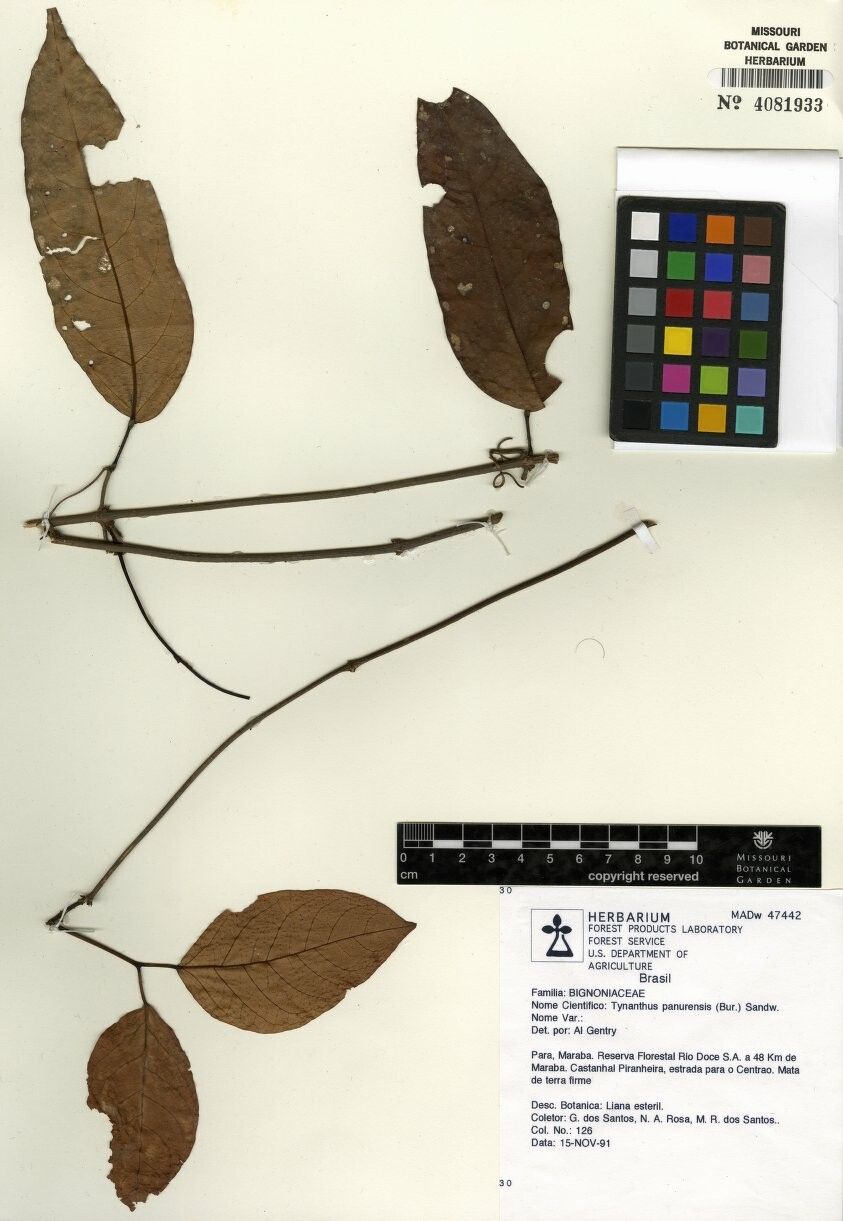
Hey there, fellow plant lovers! I’m thrilled you’re interested in Tynanthus panurensis, also known as the Peruvian Scrambler or simply Manengo. This vine is simply gorgeous with its deep green, leathery leaves and the promise of delicate, fragrant flowers. There’s something incredibly fulfilling about coaxing a new plant into existence from a piece of an established one. It’s a direct connection to the plant’s life force, and honestly, it’s a hobby that keeps on giving. Now, while Manengo isn’t the absolute easiest plant to propagate, with a little care and attention, you’ll find success is well within your reach.
The Best Time to Start
Think of it this way: when plants are actively growing, they have the energy to put towards something as demanding as developing roots. For Tynanthus panurensis, that means late spring or early summer is your sweet spot. After the plant has recovered from any potential winter stress and is showing vigorous new growth, it’s prime time for taking cuttings. You want to work with healthy, pliable stems, not old, woody ones.
Supplies You’ll Need
Here’s what I always have on hand when I’m getting ready for some propagation action:
- Sharp, clean pruning shears or a sharp knife: Crucial for clean cuts that heal better.
- Rooting hormone (powder or gel): This isn’t always strictly necessary, but it gives your cuttings a significant advantage.
- Well-draining potting mix: A 50/50 blend of perlite and peat moss or coco coir works wonders. You can also buy specialized seedling or propagation mixes.
- Small pots or propagation trays: Ensure they have drainage holes!
- Clear plastic bags or a propagation dome: To create a humid environment.
- Watering can with a fine rose: For gentle hydration.
- Optional: Heating mat: This can speed up root development, especially in cooler environments.
Propagation Methods
Stem cuttings are generally the most reliable way to go with Manengo.
Stem Cuttings:
- Select Your Cuttings: Look for healthy, semi-hardwood stems that are about 6 inches long. These are typically younger stems that are starting to firm up but are still somewhat flexible. You want to avoid any flowering or fruiting stems.
- Make the Cut: Using your clean shears or knife, make a clean cut just below a leaf node. A leaf node is where a leaf attaches to the stem; this is where new roots are most likely to form.
- Prepare the Cutting: Gently remove the lower leaves, leaving just 2-3 leaves at the top. If the remaining leaves are quite large, you can even cut them in half horizontally. This reduces water loss through transpiration.
- Apply Rooting Hormone: Dip the cut end of the stem into your rooting hormone, tapping off any excess.
- Plant Your Cuttings: Fill your pots or trays with your prepared, slightly damp potting mix. Make a small hole with your finger or a pencil. Insert the cutting into the hole, ensuring the leaf nodes are buried in the soil. Firm the soil gently around the base of the cutting.
- Create Humidity: Water thoroughly until you see water draining from the bottom. Then, cover the pot with a clear plastic bag or place it under a propagation dome. Make sure the leaves aren’t touching the plastic if possible – this can encourage rot. Poke a few small holes in the bag for ventilation.
- Provide Light and Heat: Place the cuttings in a bright, indirect light location. If you’re using a heating mat, place the pots on top.
The “Secret Sauce” (Pro Tips)
Here are a few things I’ve learned over the years that really make a difference:
- The “Wiggle Test” Secret: Don’t just assume root development based on leaf activity. After a few weeks, gently tug on a cutting. If you feel resistance, congratulations! Roots are forming. If it pulls out easily, it hasn’t rooted yet.
- Bottom Heat is Your Friend: Especially if your home tends to be on the cooler side, a heating mat set to around 70-75°F (21-24°C) can significantly speed up the rooting process. It mimics the warmth of the soil in the summer, encouraging subterranean activity.
- Don’t Over-Water the Mother Plant: While the cuttings need hydration, the parent plant should be kept at its normal watering schedule. Overwatering the mother plant can lead to weaker, more susceptible cuttings.
Aftercare & Troubleshooting
Once your cuttings have developed a good root system (you’ll see roots emerging from the drainage holes or feel that resistance in the “wiggle test”), it’s time for a little more attention.
- Acclimatization: Gradually remove the plastic bag or dome over a week or two. Start by taking it off for a few hours a day, then progressively longer. This helps the new plant adjust to normal humidity levels.
- Repotting: Once the plant is accustomed to the open air, you can repot it into its own small pot with a good quality potting mix. Water it in well.
- Troubleshooting: The most common culprit for propagation failure is rot. This usually happens due to overwatering or poor drainage, creating a breeding ground for fungi. If you see your cutting turning black and mushy, it’s likely too late for that one. Learn from it, ensure your soil is airy and your pots drain well. Another potential issue is cuttings drying out – ensure that humidity is maintained until you start acclimatizing.
A Little Patience Goes a Long Way
Growing new plants from cuttings is an exercise in patience and observation. Don’t be discouraged if not every single cutting takes. Each attempt is a learning opportunity. Celebrate the successes, and before you know it, you’ll have a whole collection of beautiful Manengo vines to admire or share. Happy propagating!
Resource: