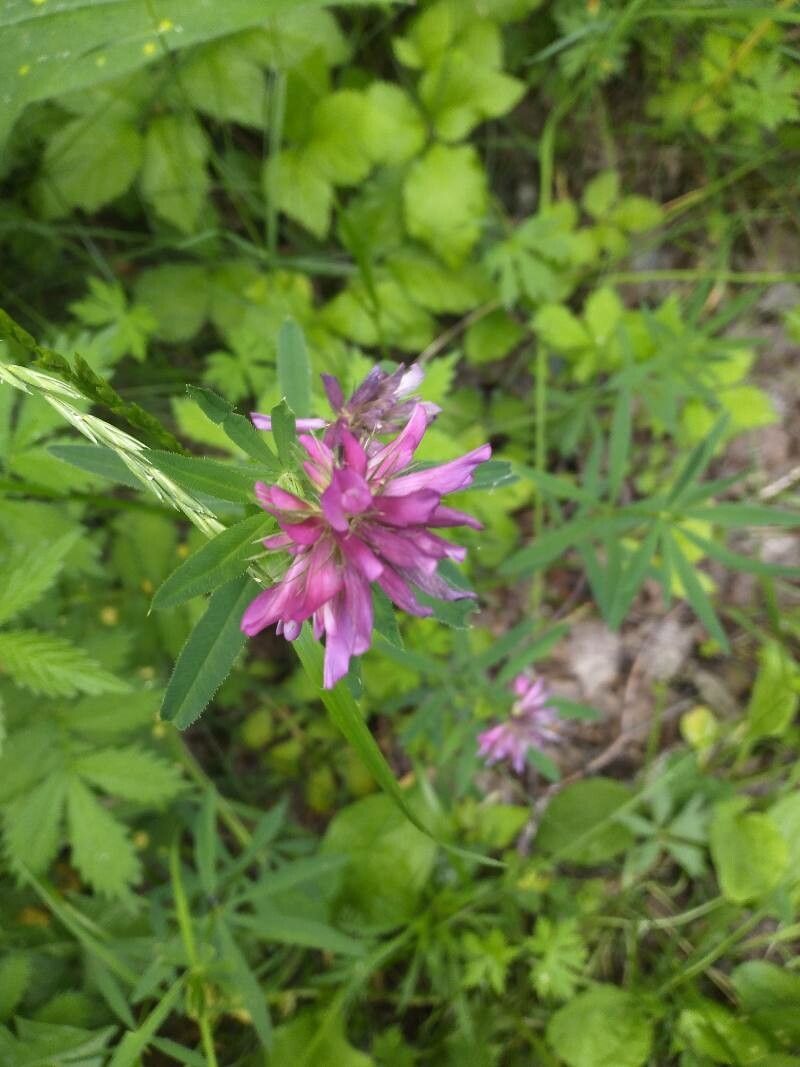
Oh, hello there, fellow plant lover! I’m so glad you’ve stumbled upon this little corner of the internet. Today, we’re diving into the wonderful world of Trifolium lupinaster, also known as Siberian wolf clover. If you’re looking for a groundcover that’s a bit out of the ordinary, with charming clusters of pinkish-red flowers that nod gently in the breeze, then this is your plant!
It’s a really rewarding plant to propagate. Watching a tiny cutting or a divided clump transform into its own thriving specimen is just magical, isn’t it? Now, for the beginners among you, I’d say Trifolium lupinaster is moderately easy to propagate. It’s not quite as fuss-free as some of the foolproof options, but with a little care and attention, you’ll be well on your way to success.
The Best Time to Start
For the highest success rate, I find that the late spring to early summer, after the main flush of bloom has passed, is the absolute sweet spot. This is when the plant is actively growing, and the stems are developing vigorously, making them ideal for taking cuttings. You can also try early autumn for a second chance, but the growth might be a little slower.
Supplies You’ll Need
Gathering your tools beforehand makes the whole process so much smoother. Here’s what I always have on hand:
- Sharp, clean pruning shears or a sharp knife: For making clean cuts.
- Well-draining potting mix: A mix of perlite and peat moss works wonderfully. You can also buy specific seed starting or cutting mixes.
- Small pots or trays: Clean pots are a must to prevent disease.
- Rooting hormone (optional but recommended): This can significantly boost your success rate, especially for those cuttings.
- Plastic bags or a propagation dome: To create a humid environment.
- Watering can or spray bottle: For gentle watering.
- Labels and a marker: So you don’t forget what you’ve planted!
Propagation Methods
Trifolium lupinaster is amenable to a couple of propagation methods. I usually have the best luck with stem cuttings, but division is also a great option if you have an established plant.
1. Stem Cuttings:
This is my go-to method for getting more wolf clover.
- Select your stems: Look for healthy, non-flowering stems. Aim for cuttings that are about 4-6 inches long.
- Make the cut: Using your clean shears or knife, make a clean cut just below a leaf node. This is where the roots are more likely to form.
- Prepare the cutting: Gently remove the lower leaves, leaving just a couple of pairs at the top. This prevents them from rotting in the soil. If you’ve opted for rooting hormone, dip the cut end into it now, tapping off any excess.
- Planting: Fill your small pots with your well-draining potting mix. Make a small hole with your finger or a pencil and insert the cutting, ensuring the leaf nodes are buried under the soil. Gently firm the soil around the stem.
- Create humidity: Water the soil lightly. Then, cover the pot with a plastic bag or place it under a propagation dome. Prop the bag up so it doesn’t touch the leaves. This traps moisture, which is crucial for cutting success.
- Location, location, location: Place the pots in a bright spot, but out of direct sunlight. Too much sun will scorch the delicate cuttings.
2. Division:
If you have a mature Trifolium lupinaster plant that’s getting a bit crowded or has grown too large, division is a fantastic way to get more plants and revitalize the parent.
- Timing is key: Again, late spring or early autumn is best.
- Gently excavate: Carefully dig up the entire plant. You want to disturb the roots as little as possible.
- Inspect and divide: Look at the root ball. You’ll want to gently tease apart the clumps. You can use your hands for this, or for tougher clumps, a clean trowel or even a sharp spade can help. Aim to divide the plant into sections, each with a good number of healthy roots and some foliage.
- Replant: Immediately replant the new divisions into their prepared spots in your garden or into fresh pots with good soil. Water them thoroughly.
The “Secret Sauce” (Pro Tips)
Here are a few little tricks I’ve picked up over the years that can really make a difference:
- Bottom Heat is Your Friend: For stem cuttings, placing your pots on a heated propagation mat can significantly speed up root formation. It mimics the warmth of summer soil and gives those nascent roots a real boost.
- Don’t Drown Your Cuttings: While humidity is important, overwatering is the quickest way to kill a cutting. The soil should be consistently moist, like a wrung-out sponge, not soaking wet. If you see water pooling, you’re using too much.
- Be Patient with the Roots: Sometimes, it can take several weeks for roots to develop on cuttings. Don’t be tempted to yank them out to check. You can give a very gentle tug; if you feel resistance, it generally means roots have formed.
Aftercare & Troubleshooting
Once you see signs of new growth – tiny leaves unfurling or the cutting feeling firmly rooted – you’re on the right track!
- Acclimatize Slowly: Gradually introduce your rooted cuttings to drier air by opening the plastic bag or dome for longer periods each day over a week or so.
- Watering: Continue to water regularly, allowing the soil to dry out slightly between waterings. As the plant grows, you can transition it to its permanent location or a larger pot.
- Signs of Trouble: The most common issue is rot, which usually stems from overwatering or poor drainage. You’ll notice the stem turning mushy or black. If you catch it early, you might be able to save a healthy section, but often, it’s a sign to start over. Wilting could mean it’s too dry, or it hasn’t rooted well yet.
A Little Encouragement
So there you have it! Propagating Trifolium lupinaster is a journey, and like many rewarding things in gardening, it requires a bit of patience. Don’t get discouraged if your first attempt isn’t a runaway success. Each gardener learns from their experiences, and you will too. Just enjoy the process, celebrate every little sign of life, and soon you’ll have a garden full of these charming wolf clovers. Happy gardening!
Resource:
https://identify.plantnet.org/k-world-flora/species/Trifolium%20lupinaster%20L./data