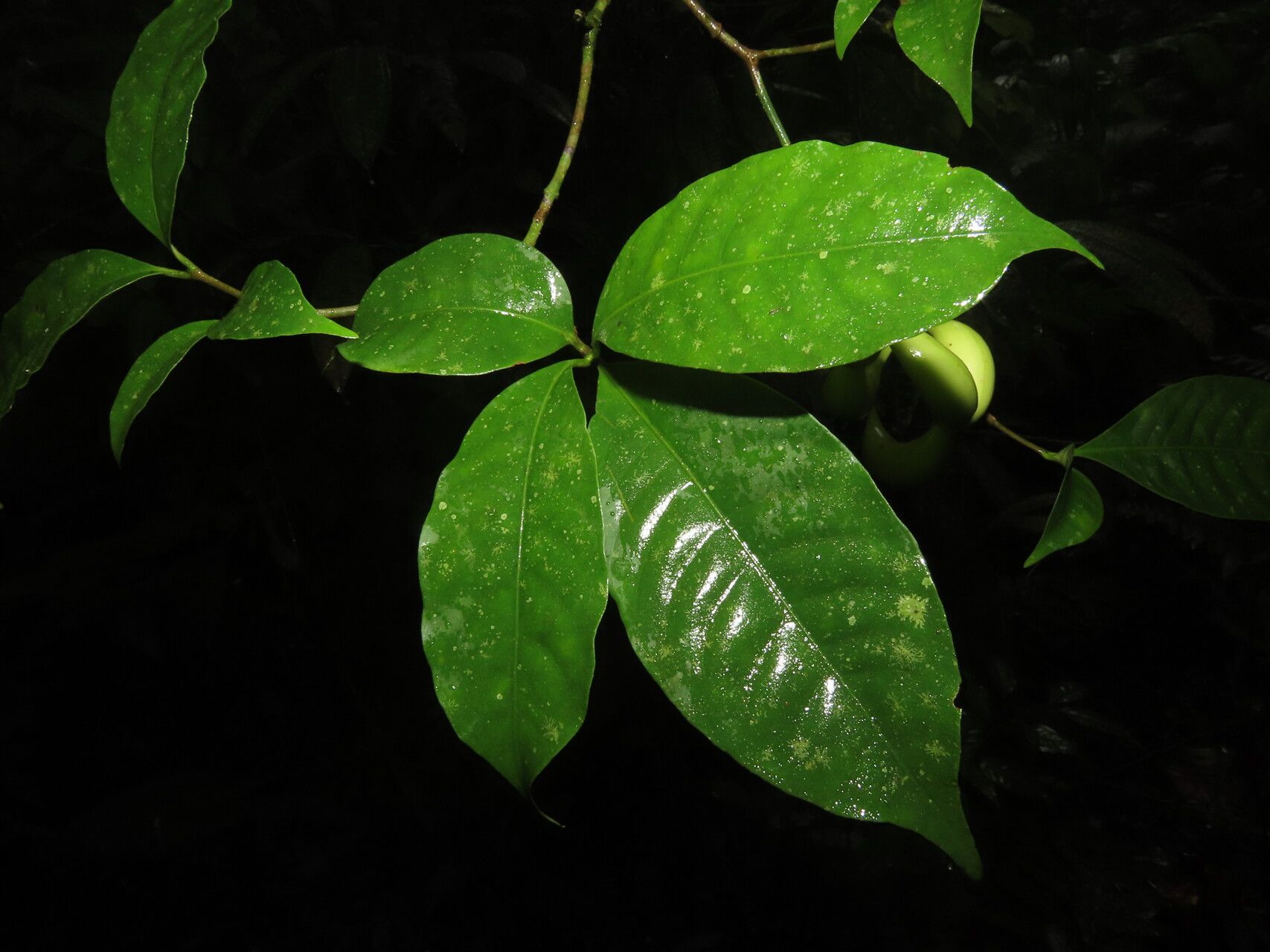
Hello there, fellow garden enthusiasts! I’m so excited to chat with you today about a truly special plant: Tabernaemontana robinsonii, also known as the fragrant Tabernaemontana or sometimes just “Robinson’s Tagua.” If you’ve ever been lucky enough to smell its intoxicating, jasmine-like perfume on a warm evening, you’ll understand why this tropical beauty is so sought after. Its glossy green leaves and delicate white blooms bring a touch of the exotic right into our homes and gardens.
Now, about propagating it. If you’re new to the plant world, I’ll be honest – Tabernaemontana robinsonii might present a slight challenge. It’s not the absolute easiest plant to start from scratch, but with a little attention and the right approach, it’s incredibly rewarding. Seeing those tiny roots emerge and a new plant take hold is a feeling like no other!
The Best Time to Start
For the highest success rate with Tabernaemontana robinsonii, I always recommend propagating during its active growing season. That means late spring through summer is your prime time. The plant is full of energy then, and those new stem sections are much more likely to root readily. Trying it in the cooler, darker months can be a bit of an uphill battle.
Supplies You’ll Need
Before we dive in, let’s gather our tools. Having everything ready makes the process so much smoother:
- Sharp pruning shears or a clean knife: For making clean cuts.
- Rooting hormone powder (optional but recommended): This really gives your cuttings a boost.
- Small pots or seed trays: Clean and with drainage holes, of course.
- A well-draining potting mix: I personally love a blend of peat moss, perlite, and a bit of coarse sand. About 2 parts peat to 1 part perlite and 1 part sand works wonders. For a quicker option, a good quality seed starting mix will do.
- Clear plastic bags or a propagation dome: To create a humid environment.
- A watering can with a fine rose or a spray bottle: For gentle watering.
- Labels and a marker: So you don’t forget what you’ve planted!
Propagation Methods: Stem Cuttings
This is my go-to method for Tabernaemontana robinsonii. It’s reliable and gives you a good chance of success.
- Select Your Cuttings: Look for healthy, non-flowering stems from your mature plant. You want pieces that are about 4-6 inches long and have at least two sets of leaves. It’s best to take these from semi-hardwood stems, meaning they’re not brand new and tender, but not old and woody either. Think of a stem that bends slightly without snapping.
- Make the Cut: Using your sharp shears or knife, cut just below a leaf node (where a leaf attaches to the stem). This is where rooting activity is strongest. Remove the lower leaves, leaving just the top two or three. If the remaining leaves are very large, you can cut them in half horizontally to reduce moisture loss.
- Apply Rooting Hormone: Dip the cut end of the stem into your rooting hormone powder. Tap off any excess. This step is crucial for encouraging root development.
- Plant Your Cuttings: Fill your small pots with your prepared potting mix. Moisten the mix thoroughly until it’s damp but not waterlogged. Make a small hole in the center of the soil with a pencil or your finger. Insert the dipped end of the cutting into the hole, gently firming the soil around it. You can usually fit 2-3 cuttings per small pot, spacing them out.
- Create Humidity: Water gently once more. Then, cover the pots with a clear plastic bag or a propagation dome. This traps moisture and creates the humid environment the cuttings need to root. Make sure the leaves don’t touch the plastic if possible – that can lead to rot. You might want to prop up the bag with a little stick or two.
The “Secret Sauce” (Pro Tips)
I’ve learned a few tricks over the years that can really make a difference:
- Bottom Heat is Your Friend: Tabernaemontana robinsonii absolutely loves warmth from below. Placing your pots on a heat mat designed for propagation will significantly speed up root formation. It mimics the warm soil of their native tropical habitat.
- Don’t Drench, Just Dampen: It’s crucial to keep the potting mix consistently moist, but never soggy. Overwatering is the quickest way to kill a cutting. If the soil feels wet to the touch, hold off on watering. A light misting of the leaves from time to time can also be beneficial, especially if you don’t have a dome.
- Fresh and Clean: Always use clean pots and clean tools. This prevents the introduction of fungi and bacteria that can cause cuttings to rot before they even have a chance to root. I’m always sterilizing my pruning shears between cuts!
Aftercare & Troubleshooting
Once your cuttings are nestled in their humid little homes, the waiting game begins!
- Patience is Key: It can take anywhere from 4 to 8 weeks for roots to develop. Resist the urge to pull them out and check them too often! You’ll know they’re rooting when you see new leaf growth at the top.
- Gradual Acclimation: When you see good signs of rooting, start gradually introducing them to normal humidity. Open the plastic bag or dome for a few hours each day, increasing the time over a week or so.
- Transplanting: Once your new plants have a decent root system and can handle ambient humidity, you can transplant them into their own individual pots. Use a slightly richer potting mix now, but still ensure good drainage.
- Troubleshooting: The most common issue is rot. If your cuttings look mushy, brown, or have developed black spots, it’s usually a sign of overwatering or poor air circulation. Unfortunately, if they rot, they’re unlikely to recover. Another sign of a cutting that isn’t rooting is when it starts to wilt and yellow without new growth. This could mean it’s not getting enough moisture, or it’s just too cold.
A Encouraging Closing
Watching a new plant emerge from a simple stem cutting is one of the most magical aspects of gardening. Don’t be discouraged if your first attempt isn’t perfect; every gardener has lost cuttings! Keep learning, keep trying, and most importantly, enjoy the journey of nurture. Happy propagating!
Resource: