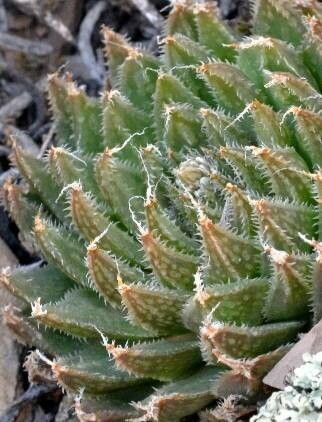
Oh, Haworthia nortieri! What a gem. If you’ve ever admired those intricate, geometric little succulents with their delicate white markings, you know exactly what I’m talking about. They have this understated beauty, a real subtle charm that brings a touch of the desert right into your home. And being able to create more of them from your existing plants? That’s one of the most satisfying parts of gardening, if you ask me.
Now, for my beginner friends out there, I’d say Haworthia nortieri is moderately easy to propagate, but it rewards patience. It’s not quite as foolproof as something like a sedum cutting, but with a little know-how, you’ll be well on your way to a whole nursery of these beauties.
The Best Time to Start
For the highest success rate with Haworthia nortieri, I always reach for my propagation tools when the plant is in its active growing season. That’s typically late spring through early summer. The warmer temperatures and longer daylight hours are just what your little offsets and cuttings need to get a good start and develop roots. You can also do it in early fall, but I find spring gives them a bit more time to establish before winter.
Supplies You’ll Need
Gathering your supplies beforehand makes the whole process much smoother. Here’s what I usually have on hand:
- Well-draining potting mix: A cactus and succulent mix is perfect. You can even amend it with extra perlite or pumice for even better drainage.
- Sharp, clean pruning shears or a sharp knife: A clean cut is essential to prevent disease.
- Rooting hormone (optional but helpful): This can give your cuttings a little boost.
- Small pots or propagating trays: Terra cotta pots are great as they breathe.
- Watering can or spray bottle: For gentle watering.
- Labels and a pen: To keep track of what you’ve propagated and when.
Propagation Methods
Haworthia nortieri is best propagated through offsets (also called pups or babies) or leaf cuttings. Offsets are usually the easiest and most successful method.
1. Propagating from Offsets (The Easiest Way!)
This is my go-to whenever I see new little plantlets forming at the base of my mature Haworthia nortieri.
- Step 1: Gently remove the offset. Carefully slide the mother plant out of its pot if possible. If not, you can often loosen the soil around the base. Gently pull or use your clean knife to separate an offset that has at least a few tiny leaves or some emerging roots.
- Step 2: Allow the offsets to callous. This is important! Place the separated offsets in a dry, shady spot for 2-3 days. This allows the cut end to dry and form a protective callus, which prevents rot.
- Step 3: Pot them up. Fill your small pots with your well-draining potting mix. Make a small hole in the center and plant the calloused offset, pressing the soil gently around its base. You want to ensure it’s stable.
- Step 4: Water lightly. Wait a few days after potting before watering them for the first time. Then, water very sparingly, only when the soil feels dry.
2. Propagating from Leaf Cuttings (A Bit More Challenging)
This method can be a little trickier with Haworthia nortieri compared to some other succulents, but it’s still possible!
- Step 1: Take a healthy leaf. Choose a plump, healthy leaf from the mother plant. Gently twist or cut it from the stem, making sure to get a clean break where it attached.
- Step 2: Let it callous. Just like with offsets, place the leaf cutting in a dry, shady spot for 2-3 days to allow the cut end to dry and form a callus.
- Step 3: Prepare your propagation medium. You can place the calloused leaf end just on the surface of your well-draining soil mix in a shallow tray or pot, or you can try a very shallow layer of the soil. Some people have success placing them on moist perlite.
- Step 4: Provide gentle warmth and light. Keep the cuttings in bright, indirect light.
- Step 5: Wait and watch for roots. This is truly about patience! It can take weeks or even months for roots to appear. You’ll know it’s working when you see tiny roots emerging from the calloused end. Once roots appear, you can gently cover them with a very light dusting of soil.
The “Secret Sauce” (Pro Tips)
Here are a couple of things I’ve learned over the years that really make a difference:
- Don’t overwater, ever! This is the cardinal sin with succulents. When propagating, err on the side of underwatering rather than overwatering. Soggy soil is a one-way ticket to rot for your precious new plants.
- Consider bottom heat. If you’re propagating in a cooler environment, placing your pots or trays on a gentle heat mat can significantly speed up root development for cuttings or offsets. Just make sure it’s not too hot – think lukewarm bath water temperature.
Aftercare & Troubleshooting
Once you see those first signs of roots, whether on your offsets or your leaf cuttings, it’s time for gentle encouragement.
- Continue with light watering. Water only when the soil is dry to the touch. You can start watering your potted offsets a little more frequently, but still mindfully.
- Gradually introduce more light. As your new plants establish, you can slowly move them into brighter, indirect light. Avoid direct midday sun, which can scorch their delicate leaves.
- Watch out for rot. The biggest enemy is rot. If you see a cutting turning mushy, black, or translucent, it’s usually a sign of too much moisture. Unfortunately, if rot sets in, it’s very difficult to save. Prevention through excellent drainage and careful watering is key!
- Patience for leaf cuttings. If a leaf cutting turns yellow or shrivels without producing roots, it might not have been successful. Don’t be discouraged! Sometimes they just don’t “take.” Try again with a fresh leaf and ensure you’ve got that good callus formed.
A Little Encouraging Closing
Propagating Haworthia nortieri is a wonderful way to expand your collection and share these delightful plants with friends. It’s a process that teaches you about patience and observation. Don’t be discouraged if every single attempt isn’t a runaway success. Even experienced gardeners have their hiccups! Just keep trying, enjoy the journey of watching new life emerge, and you’ll find yourself with a beautiful bounty of tiny Haworthia nortieri in no time. Happy propagating!
Resource:
https://identify.plantnet.org/k-world-flora/species/Haworthia%20nortieri%20G.G.Sm./data