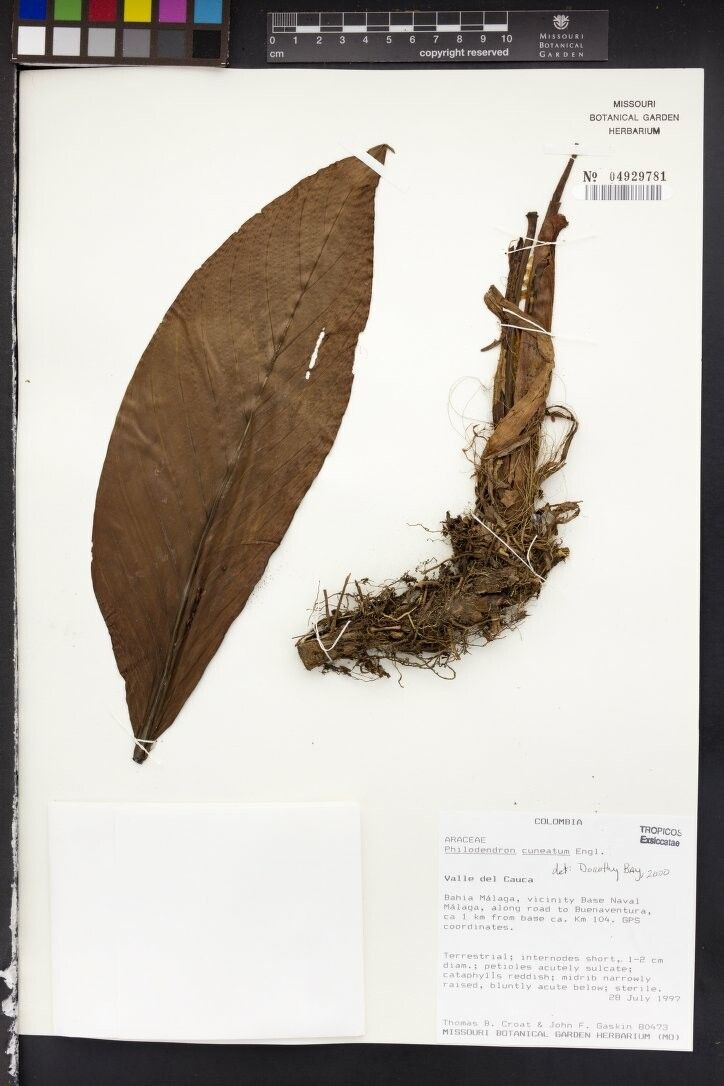
Oh, hello there! Come on in, pull up a chair. Let’s chat about a plant that’s captured so many of our hearts: Philodendron cuneatum. Isn’t it just delightful? That velvety, heart-shaped foliage, often with those stunning splashes of silver or red… it’s a real showstopper. And the best part? Propagating it is a wonderfully rewarding way to get more of these beauties for yourself or to share with fellow plant pals. Many people find Philodendron cuneatum to be quite beginner-friendly when it comes to propagation, which is always a good sign, isn’t it? You’ll be surprised at how easily you can fill your home with these lovely plants.
The Best Time to Start
When it comes to getting the most bang for your propagation buck, think spring and summer. This is when your philodendron is actively growing and has plenty of energy to put into creating new roots. You can absolutely try it at other times of the year, but you’ll likely see faster, more vigorous results if you wait for warmer, sunnier months. Look for healthy, vigorous stems on your established plant – those are the ones brimming with potential!
Supplies You’ll Need
Before we get our hands dirty, let’s make sure we have everything ready. It’s much easier when you’re not scrambling for things mid-process!
- Sharp Pruning Shears or a Clean Knife: For making clean cuts.
- Rooting Hormone (Optional but Recommended): A little boost never hurt anyone! Powder or gel works well.
- A Well-Draining Potting Mix: I often use a blend of peat moss or coco coir, perlite, and a little bit of orchid bark. This gives the roots good aeration.
- Small Pots or Propagation Jars: Clean pots for planting, or clear jars if you’re going the water route.
- Perlite or Small Pebbles: For the bottom of water propagation jars.
- Clear Plastic Bag or Dome: To create a humid environment for cuttings in soil.
- Spray Bottle: For misting.
Propagation Methods
Let’s get down to the nitty-gritty. Here are a couple of my favorite ways to multiply my Philodendron cuneatum collection.
Stem Cuttings: My Go-To Method
This is my absolute favorite because it’s so reliable and gives you a lovely, established plant relatively quickly.
- Select a healthy stem on your mature plant. Look for a stem that has at least two to three leaves and, ideally, a node. A node is a little bump on the stem where a leaf or aerial root grows from. This is crucial for root development!
- Using your sharp shears or knife, make a clean cut just below a node. You want to keep at least one healthy leaf on the cutting. You can remove the lowest leaf if it will be submerged in water or soil, as this can lead to rot.
- If using rooting hormone, dip the cut end of the stem into the powder or gel. Tap off any excess.
- Now, you have two choices:
- Water Propagation: Place your cutting in a jar of clean water. Make sure the node is submerged, but try to keep the leaves out of the water. You can add a few perlite or small pebbles to the bottom of the jar to help keep the cutting stable. Change the water every few days to keep it fresh.
- Soil Propagation: Fill a small pot with your well-draining potting mix. Gently insert the cut end into the soil, making sure the node is covered. Water the soil lightly.
- If you’ve chosen soil propagation, cover the pot loosely with a clear plastic bag or a propagation dome. This creates a mini-greenhouse to maintain humidity. Pop it in a bright, indirect light spot.
Division: For Established, Bushy Plants
If your Philodendron cuneatum is getting a bit crowded in its pot and has multiple growth points, division is a fantastic way to go.
- Gently remove the entire plant from its pot.
- Carefully brush away as much of the old soil as you can from the roots. You want to be able to see where the individual plant bases are.
- Using your hands or a clean knife, gently pull or cut the root ball apart into smaller sections. Each section should have at least one healthy stem and a good portion of roots.
- Pot up each new division into its own pot with fresh, well-draining potting mix. Water thoroughly.
The “Secret Sauce” (Pro Tips)
Here are a few little tricks I’ve learned over the years that can really boost your success rates.
- Don’t let the leaves touch the water: If you’re water propagating, this is a big one. Leaves submerged in water tend to rot and can spread that nastiness to your whole cutting. Keep them high and dry!
- Bottom heat is your friend: Especially if you’re propagating in soil during cooler months, placing your pot on a heat mat designed for seedlings can significantly speed up root formation. It mimics the warmth of spring.
- Patience is paramount for water propagation: I know it’s tempting to keep pulling your cuttings out to check for roots, but resist the urge! You’ll get a better sense of root development if you let them be. When you see roots about an inch or two long, they’re usually ready for soil.
Aftercare & Troubleshooting
Once your cuttings have developed roots – you’ll see them in the water or can gently feel for them in the soil – it’s time for a little more TLC.
For water-propagated cuttings: Slowly acclimate them to soil. This means planting them as usual, but you might want to keep the soil consistently moist for the first week or two to help them transition. Gradually reduce watering to your normal Philodendron cuneatum routine.
For soil-propagated cuttings: Once you see new leaf growth, you know roots have formed! Remove the plastic bag or dome and gradually introduce them to more light. Continue watering as you would your mature plant, ensuring the soil dries out slightly between waterings.
The most common issue you’ll encounter is rot, especially with water propagation if leaves are submerged or the water isn’t changed. If you see mushy, black stems or leaves, unfortunately, that cutting is likely lost. The best thing to do is inspect the cutting, remove any affected parts with clean shears, and start again with fresh water or soil. Ensure good airflow and avoid overwatering in soil.
A Little Encouragement
And there you have it! Propagating Philodendron cuneatum is such a satisfying process. It’s about patience, observation, and a little bit of horticultural magic. Don’t be discouraged if your first attempt isn’t perfect; every plant is a learning experience. Just enjoy the journey of watching those little roots emerge and new leaves unfurl. Happy propagating, and may your homes be filled with beautiful philodendrons!
Resource:
https://identify.plantnet.org/k-world-flora/species/Philodendron%20cuneatum%20Engl./data