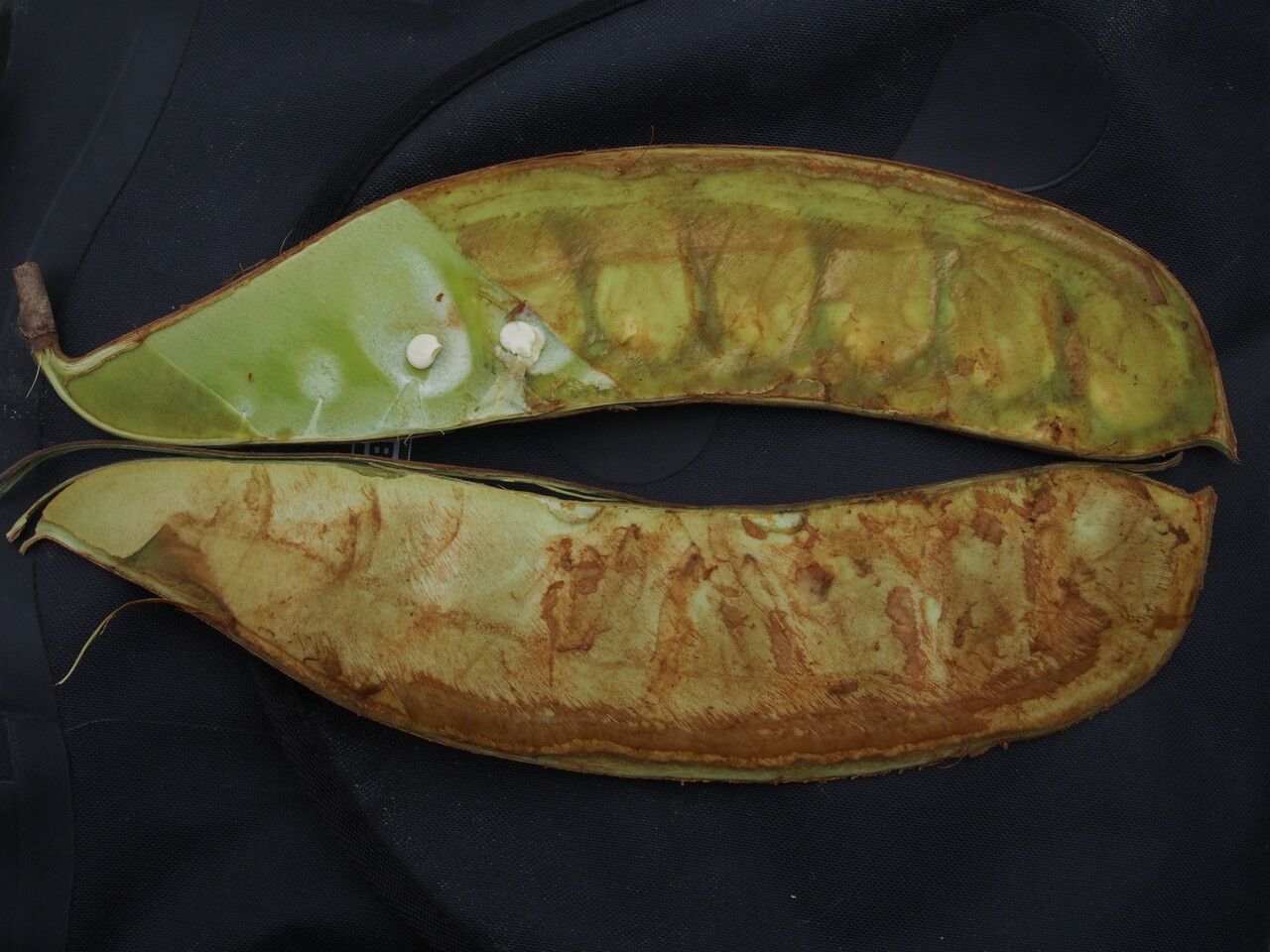
Hello fellow garden enthusiasts! It’s lovely to have you here. Today, we’re going to talk about a plant that has absolutely charmed me over the years: Phanera integrifolia. If you’ve ever seen one of these beauties draped over a trellis or creating a cascade of vibrant blooms, you know exactly why it’s so special. Its showy flowers are quite a sight, and the reward of nurturing a brand-new plant from a small piece of its parent is truly immense. For those just starting out in the wonderful world of plant propagation, Phanera integrifolia can be a bit of a rewarding challenge. It’s not the absolute easiest to get going, but with a little patience and these tips, you’ll be well on your way to success.
The Best Time to Start
When it comes to Phanera integrifolia, I’ve found that the early to mid-spring is your golden window. This is when the plant is really waking up from its winter slumber and new growth is vigorous and full of life. Starting your cuttings then gives them the best chance to establish themselves before the intense heat of summer or the chill of autumn sets in. Look for stems that are firm and have recent growth, but aren’t too soft and ‘floppy’.
Supplies You’ll Need
To get our propagation party started, here’s a little list of what you’ll want to have handy:
- Sharp Pruning Shears or a Clean Knife: For making clean cuts.
- Rooting Hormone (Optional but Recommended): This is like a little boost for your cuttings.
- Small Pots or Seedling Trays: With good drainage holes, of course!
- Propagating Medium: A blend of perlite and coco coir is my go-to. It’s light, airy, and holds just enough moisture. You can also use a good quality seed-starting mix.
- Clear Plastic Bags or a Propagator: To create a humid environment.
- Watering Can or Spray Bottle: For gentle watering.
- A Bright, Indirect Light Location: Crucial for happy cuttings.
Propagation Methods
We’ll focus on stem cuttings, which is my favorite and most successful method for Phanera integrifolia.
Stem Cuttings: Step-by-Step
- Take Your Cuttings: In spring, select healthy, non-flowering stems. You want pieces that are about 4-6 inches long. Make your cut just below a leaf node (where a leaf attaches to the stem). This is where the magic happens, as roots are more likely to form here.
- Prepare the Cuttings: Gently remove the lower leaves from your cuttings, leaving just the top few leaves intact. This helps the plant focus its energy on rooting rather than supporting too much foliage. If your leaves are very large, you can even cut them in half horizontally to reduce water loss.
- Apply Rooting Hormone (If Using): Dip the cut end of each stem into your rooting hormone powder or gel. Tap off any excess.
- Pot Up Your Cuttings: Fill your pots or trays with your propagating medium. Make a small hole in the center of the medium with your finger or a pencil. Gently insert the cut end of the stem into the hole, ensuring the nodes where you removed the leaves are below the surface.
- Water Gently: Water the medium thoroughly but gently. You want it to be moist, not waterlogged.
- Create a Humid Environment: Place the potted cuttings into your propagator or cover them loosely with a clear plastic bag. This traps humidity, which is vital for preventing the cuttings from drying out. Make sure the leaves aren’t touching the inside of the bag, as this can encourage rot.
- Provide Light and Warmth: Place your propagator or potted cuttings in a warm spot with bright, indirect light. Avoid direct sun, as this can scorch the delicate cuttings.
The “Secret Sauce” (Pro Tips)
Here are a couple of my tried-and-true tricks that really make a difference:
- Don’t Drown Your Leaves!: If you’re using water propagation as a secondary method (though I prefer soil), never let the leaves touch the water. Submerged leaves will almost always rot before roots even have a chance to think about forming.
- Bottom Heat is Your Friend: If you struggle with cuttings taking a long time or just want to give them an extra push, consider using a heat mat designed for seedlings. This gentle warmth from below encourages root development significantly, especially in cooler spring conditions.
- Change Your Medium if it Feels “Off”: Sometimes, even with good intentions, a propagating mix can get a little stagnant or too wet. If you notice your cuttings looking sad and the medium feels compacted or overly saturated, carefully repot them into fresh, drier mix. It’s a bit of work, but it can save them!
Aftercare & Troubleshooting
Once you start seeing tiny white roots peeking out of the drainage holes or notice new leaf growth on your cuttings, it’s a sign that they’re getting established. At this point, you can gradually reduce the humidity. Start by opening the plastic bag a little each day, or ajar the propagator lid. Continue to keep them in bright, indirect light and water them when the top inch of the soil feels dry.
The main culprit for failure is usually rot, which can happen if the soil is kept too wet or if there isn’t enough air circulation. You might see stems turning black and mushy. If this happens, unfortunately, that particular cutting is likely lost. The key is to avoid overwatering and ensure good airflow. If your cuttings simply shrivel up and dry out, it means they didn’t have enough humidity or weren’t watered adequately. Don’t get discouraged if you have some losses – even experienced gardeners do!
A Encouraging Closing
Taking cuttings can feel like a leap of faith sometimes, can’t it? But there’s such joy in watching something small and seemingly insignificant grow into a thriving new plant. Be patient with your Phanera integrifolia cuttings. They have their own rhythm. Keep them happy with the right conditions, and before you know it, you’ll have a whole new collection to admire. Happy propagating!
Resource:
https://identify.plantnet.org/k-world-flora/species/Phanera%20integrifolia%20(Roxb.)%20Benth./data