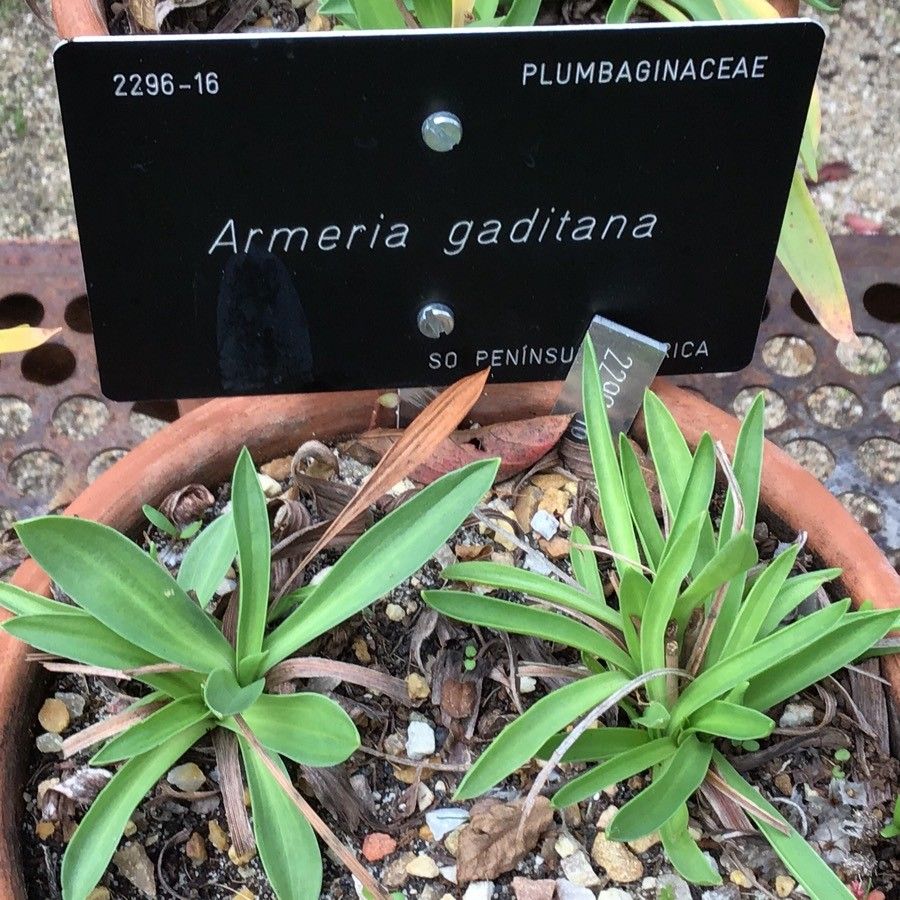
Hello, fellow garden enthusiasts! It’s so wonderful to have you here. Today, we’re diving into the delightful world of propagating Armeria gaditana.
Your New Garden Treasure: Why Armeria gaditana?
If you’re looking for a plant that brings a burst of cheerful color and a touch of coastal charm to your garden, then Armeria gaditana, also known as Spanish Sea Pink, is a fantastic choice. Its delicate, rose-like blooms atop sturdy, grass-like foliage are just captivating. And the best part? You can easily multiply these beauties and share them with friends (or simply fill every sunny spot you have!). For those new to propagation, Armeria gaditana is generally quite forgiving, making it a rewarding project right from the start.
When the Garden Whispers “Now!”
The most opportune time to propagate Armeria gaditana is usually in the spring, just as new growth is beginning to emerge after the winter. This is when the plant’s energy is high, and it’s eager to produce new shoots. You can also have success with cuttings in late summer, after the main flowering flush has passed but before the cooler autumn weather sets in.
Gather Your Gardening Arsenal
Before we get our hands dirty, let’s make sure we have everything we need. Having your supplies ready makes the whole process smoother.
- Sharp Pruning Shears or a Clean Knife: For making clean cuts.
- Rooting Hormone (Optional but Recommended): A powder or gel to encourage root development.
- Small Pots or Seed Trays: With drainage holes, of course!
- Well-Draining Potting Mix: A blend of equal parts peat moss or coco coir and perlite or coarse sand works wonderfully. Some gardeners swear by a cactus/succulent mix.
- Watering Can with a Fine Rose or Spray Bottle: For gentle watering.
- Labels: To keep track of your propagated plants.
- Small Pebbles or Grit (Optional): For top dressing to prevent stem rot.
Bringing New Life: Propagation Methods
Armeria gaditana is a trooper when it comes to propagation. The easiest and most common methods for this charming plant are stem cuttings and division.
Stem Cuttings: Snipping Your Way to Success
This is my go-to method for increasing my stock of Armeria gaditana.
- Take Your Cuttings: On a bright morning, select healthy, non-flowering stems. Make a clean cut just below a leaf node (where a leaf attaches to the stem). Aim for cuttings that are about 3-4 inches long. Gently remove the lower leaves, leaving just a few at the top.
- Apply Rooting Hormone (If Using): Dip the cut end of the stem into your rooting hormone, tapping off any excess.
- Plant Your Cuttings: Fill your small pots with the prepared well-draining mix. Make a small hole with a pencil or your finger and insert the cutting, ensuring the node where you removed the leaves is below the soil surface. Gently firm the soil around the stem.
- Water Gently: Water the pots thoroughly until water drains from the bottom.
Division: Splitting Your Established Beauties
If you have a mature, well-established clump of Armeria gaditana, division is a fantastic way to create more plants and also invigorate the parent plant.
- Loosen the Soil: In spring or fall, when the plant isn’t actively flowering, gently loosen the soil around the base of the clump.
- Lift Carefully: Using a trowel or spade, carefully lift the entire plant from the ground. You’ll see it’s made up of several smaller, connected sections.
- Separate the Divisions: Gently pull the clump apart with your hands. If the roots are tangled, you might need to use a clean knife to cut through them gently. Aim for divisions that have a good amount of roots and at least a few leafy shoots.
- Replant Immediately: Plant your divisions into their new homes, whether that’s back in the garden or into pots filled with good potting soil. Water them well.
The “Secret Sauce”: My Insider Tips
After years of trial and error, I’ve picked up a few tricks that seem to really help these little ones thrive.
- Don’t Freak Out About Flowers: If your cuttings have tiny flower buds, it’s usually best to pinch them off. The plant’s energy is better spent on developing roots than on producing a bloom that it might not have the strength to support.
- Warm Feet, Happy Roots: For stem cuttings, using bottom heat can significantly speed up root development. A seedling heat mat placed under your pots creates a cozy environment for those roots to emerge. It’s like a little spa for your cuttings!
- The Air Circulation Dance: While you want to keep humidity around your cuttings, good air circulation is crucial to prevent fungal diseases. I often loosely cover my pots with a clear plastic bag, using a few stakes to keep the plastic from touching the leaves, or place them in a bright spot with good airflow.
The Journey from Cutting to Bloom
Once your Armeria gaditana cuttings have developed a good root system (you can test this gently by giving the stem a light tug – if there’s resistance, roots have formed!), it’s time for a little extra love.
Aftercare:
- Watering: Continue to water regularly, but allow the soil to dry slightly between waterings. Overwatering is the quickest way to invite root rot.
- Light: Gradually introduce your new plants to more direct sunlight. They’ll appreciate a sunny spot, just like their parent plants.
- Potting Up: Once they’ve outgrown their starter pots, transplant them into larger pots or their permanent garden locations.
Troubleshooting:
- Drooping or Wilting: This can be a sign of underwatering, but also of too much heat or direct sun too soon. Check the soil moisture and adjust placement if needed.
- Rotting Stems: This is usually due to too much moisture and poor air circulation. Ensure your soil mix is very free-draining and the pots have good drainage. Remove any affected parts immediately.
- No Root Growth: Be patient! Sometimes it takes several weeks. If after 6-8 weeks there’s still no sign of roots, it’s possible the cutting wasn’t viable or conditions weren’t quite right. Don’t be discouraged; just try again.
Happy Propagating!
Watching a tiny cutting transform into a blooming plant is one of life’s simple, yet profound, gardening joys. Embrace the process, learn from each attempt, and don’t be afraid to experiment. Soon, you’ll have a whole garden of these charming sea pinks to admire and share. Happy gardening!
Resource:
https://identify.plantnet.org/k-world-flora/species/Armeria%20gaditana%20Boiss./data