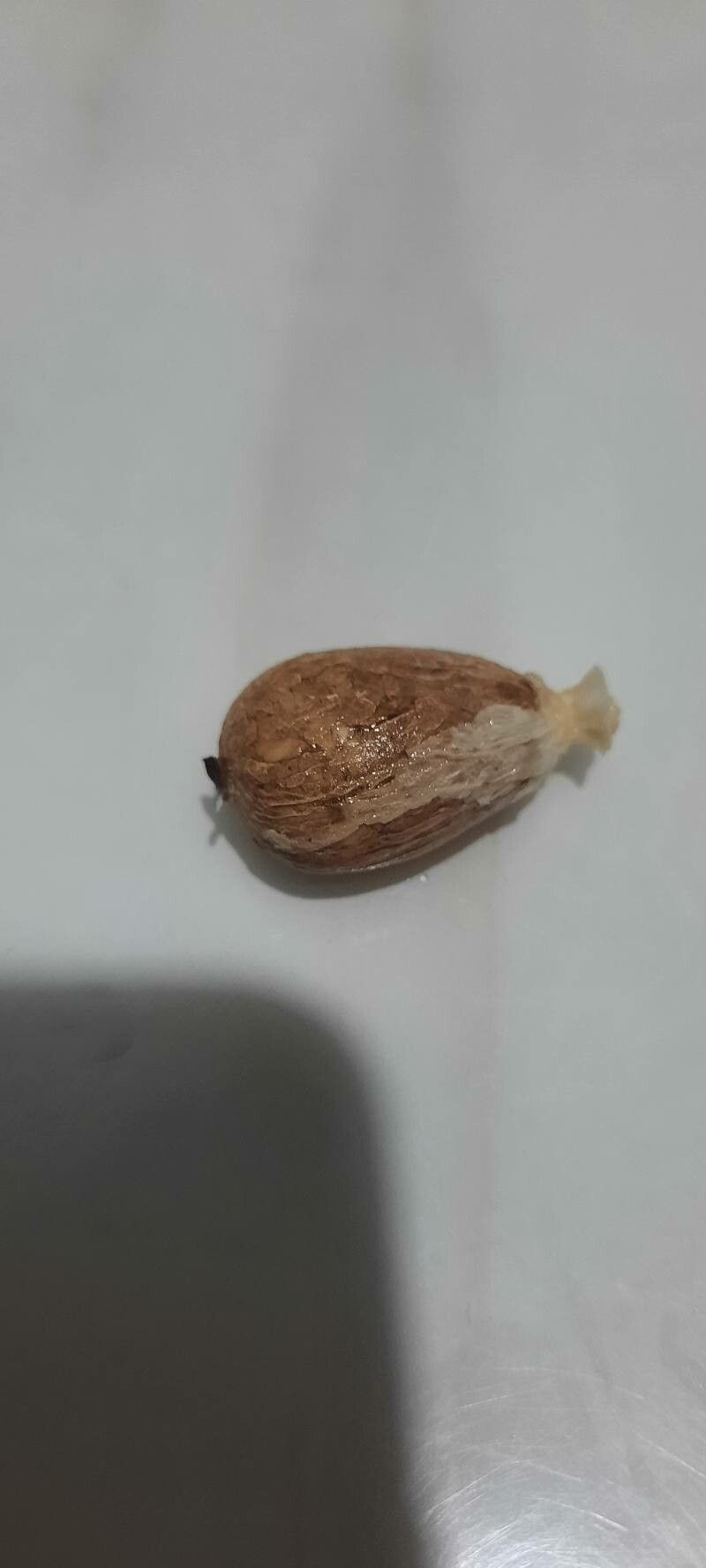
Well hello there, fellow garden enthusiasts! I’ve got a real treat for you today, something that always brings a smile to my face and a delicious sweetness to my palate: Nephelium lappaceum, more commonly known as rambutan. If you’ve ever tasted these fuzzy, fascinating fruits, you know there’s something magical about them. The anticipation of growing your own supply of these vibrant, sweet treasures is truly a rewarding endeavor. Now, if you’re wondering if this is a beginner-friendly plant to propagate, I’d say it’s a bit of a moderately challenging adventure. It requires a touch of patience and attention to detail, but absolutely doable with the right guidance.
The Best Time to Start
For the highest success rate with propagating rambutan, timing is key. I’ve found that the late spring to early summer is your sweet spot. This is when the plant is in an active growth phase, meaning it has plenty of energy to spare for putting down new roots. Look for stems that have finished their most vigorous flush of growth but are still producing new, pliable shoots. Avoid trying to propagate from very old, woody stems or on brand new, flimsy growth.
Supplies You’ll Need
Gathering your materials beforehand makes the process so much smoother. Here’s what I always have on hand:
- Sharp, sterilized pruning shears or a grafting knife. Cleanliness is crucial to prevent disease!
- A well-draining potting mix. I prefer a blend of peat moss, perlite, and a bit of coir. You want something that holds moisture but doesn’t get waterlogged.
- Rooting hormone (powder or gel). This is particularly helpful for rambutan, giving your cuttings a real boost.
- Small pots or trays with drainage holes.
- Clear plastic bags or a propagation dome. This creates that humid environment our cuttings crave.
- A spray bottle for misting.
- Optional, but highly recommended: a heat mat for bottom warmth.
Propagation Methods
While rambutan can be grown from seed, that’s a much longer and less predictable path to fruit. For growing more rambutan from an existing plant, stem cuttings are my go-to method.
- Select Your Cuttings: Look for healthy, semi-hardwood stems that are about 6-8 inches long. These should have at least two or three sets of leaves. Gently remove any lower leaves.
- Prepare the Cutting: On the bottom end of your cutting, make a clean cut just below a leaf node (where a leaf attaches to the stem). This is where roots are most likely to form.
- Apply Rooting Hormone: Dip the cut end into your rooting hormone, ensuring it’s well-coated. Tap off any excess.
- Plant the Cutting: Fill your small pots with your prepared potting mix. Make a hole with your finger or a pencil, deep enough for the cutting. Gently insert the cutting into the hole, pressing the soil lightly around it.
- Create the Humid Environment: Water the soil gently until it’s moist but not saturated. Then, either place a clear plastic bag over the pot, securing it with a rubber band, or cover the pot with a propagation dome. Ensure the leaves don’t touch the plastic if using a bag – I often use small stakes to keep the bag from collapsing onto the leaves.
- Provide Warmth and Light: Place your pots in a bright, indirect light location. If you have a heat mat, place the pots on it. This gentle warmth from below can significantly speed up rooting.
The “Secret Sauce” (Pro Tips)
Here are a few things I’ve learned over the years that really make a difference:
- Don’t Let Leaves Touch the Water: This is crucial, especially in the early stages. If the leaves are constantly sitting in moisture, they’ll start to rot before the roots even have a chance to develop. Regularly check and trim any soggy leaves if necessary.
- The Power of Bottom Heat: I cannot stress enough how much a gentle bottom heat, like from a seedling heat mat, helps. Tropical plants like rambutan thrive on warmth, and providing it from beneath mimics the soil temperature they’d find in their natural environment, encouraging root formation.
- Mist, Mist, Mist! Those cuttings are going to dry out quickly without a root system. Mist them every day, or even twice a day if your environment is particularly dry. A light, refreshing mist will keep those leaves turgid and encourage root development.
Aftercare & Troubleshooting
Once you start to see new growth, that’s a great sign! It means your cutting is likely developing roots.
After about 4-8 weeks, gently tug on the cutting. If you feel resistance, you’ve got roots! You can then slowly acclimate your new rambutanling to less humid conditions. Start by opening the plastic bag or propagation dome for a few hours each day.
Keep the soil consistently moist but not soggy. And remember, young rambutan plants are a bit sensitive, so avoid direct, harsh sunlight for a while.
The most common issue you’ll run into is rot. If you see your cutting turning black and mushy, it’s a sign of too much moisture and not enough air circulation. Ensure your soil is draining well and try to improve air circulation. This is where bottom heat can also help by evaporating excess moisture. Another sign of trouble might be yellowing leaves; this could indicate too much or too little water, or insufficient light.
A Encouraging Closing
Growing your own rambutan is a journey, my friends, and like any good journey, it’s full of learning and anticipation. Be patient with your cuttings, celebrate every little bit of progress, and don’t be discouraged if you have a few setbacks. The joy of nurturing a new life from a simple stem is truly one of the most fulfilling aspects of gardening. Happy propagating, and may your rambutan dreams flourish!
Resource:
https://identify.plantnet.org/k-world-flora/species/Nephelium%20lappaceum%20L./data