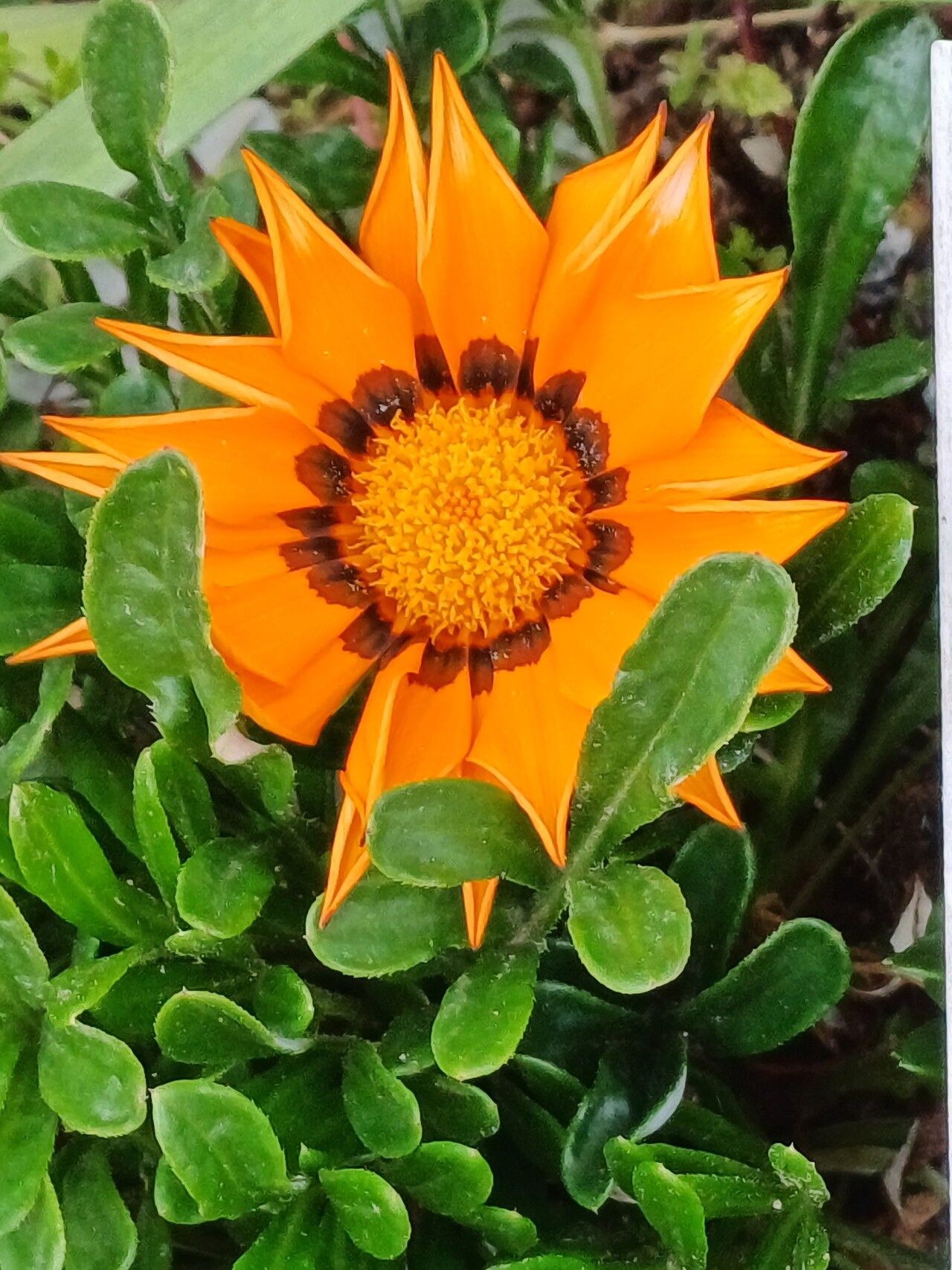
Oh, Gazanias! Those sunshine-bright faces that just radiate joy in the garden. I’ve been growing them for ages, and honestly, their vibrant colors and cheerful disposition make them a perennial favorite for good reason. If you’re looking to fill your garden beds or containers with even more of these dazzling blooms, propagating your own Gazania leiopoda is a wonderfully rewarding endeavor. And guess what? It’s definitely not a daunting task for beginners! Let’s get our hands dirty, shall we?
The Best Time to Start
For Gazania leiopoda, the perfect window for propagation is generally during the active growing season. Think late spring through summer. This is when the plant has plenty of energy and is producing new, healthy growth, making it prime for taking cuttings. Starting then gives your new babies ample time to establish before cooler weather arrives.
Supplies You’ll Need
Here’s what I always have on hand when I’m propagating Gazanias:
- Sharp pruning shears or a clean utility knife: For making clean cuts.
- Rooting hormone powder or gel: This is your best friend for encouraging root development.
- Well-draining potting mix: A mix suitable for succulents or cacti works wonders. I often add a bit of perlite to my regular potting mix for extra aeration.
- Small pots or trays: Clean containers with drainage holes are essential.
- Watering can or spray bottle: For gentle watering.
- Optional: A small baggie or plastic dome: To create a mini-greenhouse effect.
- Optional: Bottom heat mat: Especially helpful in cooler climates, but not strictly necessary if you’re propagating during peak summer.
Propagation Methods
I’ve found stem cuttings to be the most reliable and straightforward method for Gazania leiopoda. It’s wonderfully effective!
- Select Your Cuttings: Head out to your healthiest Gazania plant. Look for new, non-flowering stems that are about 4-6 inches long. You want them to be firm but not woody. Gently snap or cut a stem just below a leaf node (where a leaf attaches to the stem).
- Prepare the Cuttings: Strip off the lower leaves, leaving just a few at the top. This prevents them from rotting when buried in the soil. If you’re taking multiple cuttings, you can group them.
- Dip in Rooting Hormone: Dip the cut end of each stem into your rooting hormone. Swirl it around to coat the bottom inch or so. Tap off any excess.
- Plant Your Cuttings: Fill your pots or trays with your well-draining mix. Make a small hole with your finger or a pencil, and carefully insert the cutting. Firm the soil gently around the base.
- Water Gently: Water thoroughly but gently. You want the soil to be moist, not soggy. A spray bottle is excellent for this initial watering to avoid dislodging the cuttings.
- Provide the Right Environment: Place the pots in a bright spot, but out of direct, harsh sunlight for the first week or two. If you’re using a baggie or dome, place it loosely over the pot to create humidity.
The “Secret Sauce”
Now, for a couple of tricks I’ve learned over the years that really make a difference:
- The “Drip Dry” Method: After watering the prepared cuttings, I like to let them sit for about 15-30 minutes. This allows any excess water to drain away from the cut end before applying the rooting hormone and planting. It drastically reduces the risk of rot right from the start.
- Bottom Heat is Your Buddy (Sometimes): If you’re propagating in early spring or live somewhere with cooler summers, popping your pots onto a seedling heat mat can work wonders. Just a gentle warmth encourages those roots to form much faster. You don’t want it hot, just cozy!
Aftercare & Troubleshooting
Once your cuttings are planted, the waiting game begins! Keep the soil consistently moist but never waterlogged. If you’ve created a mini-greenhouse, open it up for a few hours each day to allow for air circulation.
You’ll know your cuttings have rooted when you see new leaf growth. This usually takes anywhere from 3-6 weeks, sometimes longer depending on conditions. You can also give a very gentle tug – if there’s resistance, roots are forming!
The most common issue you might encounter is rot. This usually happens if the soil is too wet, or if the environment is too humid for too long without airflow. If you see a cutting turning black and mushy, unfortunately, it’s best to discard it to prevent it from spreading. Don’t get discouraged if a few don’t make it; it’s part of the learning process.
A Little Patience Goes a Long Way
Propagating Gazania leiopoda is such a joy, and seeing those little rooted plants grow into their own vibrant selves is incredibly satisfying. Be patient with your cuttings, provide them with the right conditions, and don’t be afraid to experiment a little. Before you know it, you’ll have a whole new family of these sun-loving beauties to share! Happy gardening!
Resource:
https://identify.plantnet.org/k-world-flora/species/Gazania%20leiopoda%20(DC.)%20Roessler/data