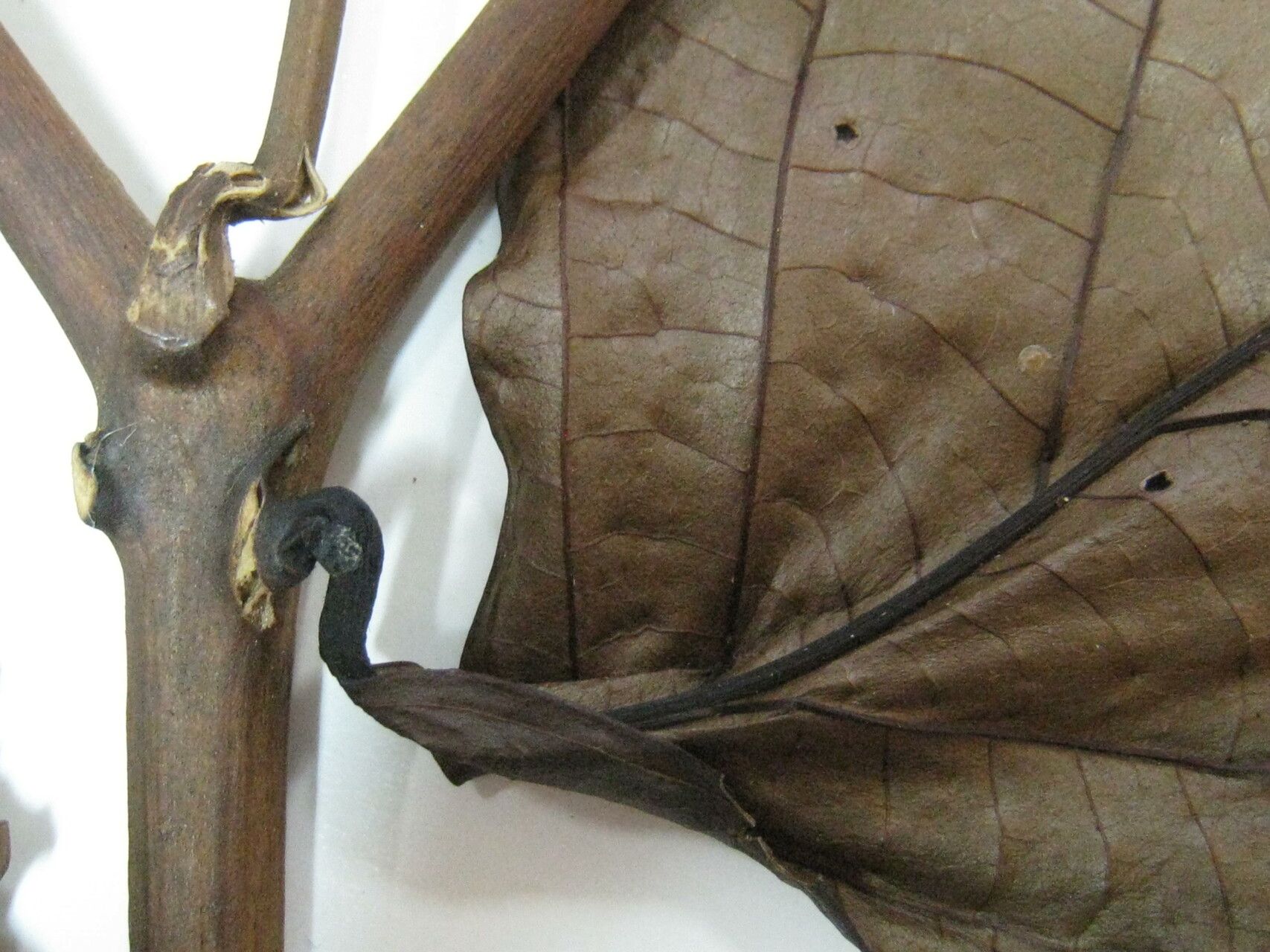
Hey there, fellow garden enthusiasts! Today, we’re diving into the wonderful world of Cordia laevifrons, a truly charming plant that deserves a spot in more gardens. You might know it by its common name, “Little Apple Blossom,” and it’s easy to see why! Its delicate, often fragrant flowers bring a touch of magic, and watching a new plant unfurl from a tiny cutting is one of the most rewarding experiences a gardener can have. I’ve been nurturing plants for two decades now, and I can tell you, propagating Cordia laevifrons is a journey that’s well worth the effort, and generally quite achievable, even for those just starting out.
The Best Time to Start
For the happiest cuttings and the best chance of success, I always aim to take them in late spring or early summer. This is when the plant is in its active growth phase. You want to be looking for nice, healthy, but not yet woody stems. Think of growth that’s firm but still slightly pliant – those are the ones that root most readily for me. Avoid taking cuttings from flowering stems; you want the plant’s energy focused on root development, not putting out blooms.
Supplies You’ll Need
Gathering your materials beforehand makes the whole process smoother. Here’s what I usually have on hand:
- Sharp, clean pruning shears or a sharp knife: Cleanliness is key to preventing disease.
- Rooting hormone powder or gel: This isn’t strictly necessary for Cordia laevifrons, but it can give your cuttings a little extra boost.
- A well-draining potting mix: I like a blend of peat moss, perlite, and a bit of coarse sand. A mix specifically for cuttings works great too.
- Small pots or trays: Clean, with drainage holes!
- A clear plastic bag or a dome: To create a mini-greenhouse effect.
- Water: For misting.
- Optional: A heat mat: Helps warm the soil and encourages root growth.
Propagation Methods
I find stem cuttings are the most straightforward method for Cordia laevifrons. Here’s how I do it:
- Select your parent plant: Choose a healthy, vigorous Cordia laevifrons with no signs of pests or diseases.
- Take your cuttings: Using your clean shears, snip off a stem about 4-6 inches long. Look for stems that have a few sets of leaves. Make the cut just below a leaf node – that’s the little bump where a leaf grows from the stem. This is where roots are most likely to form.
- Prepare the cuttings: Gently remove the lower leaves from the cutting, leaving just two or three at the top. If the leaves are very large, you can even cut them in half horizontally to reduce water loss.
- Apply rooting hormone (optional): Dip the cut end of the stem into your rooting hormone, tapping off any excess powder.
- Pot them up: Fill your clean pots with your prepared potting mix. Make a small hole in the center of the soil with your finger or a pencil.
- Insert the cuttings: Carefully place the cut end of the stem into the hole, ensuring the leaf nodes you removed are below the soil surface. Gently firm the soil around the stem.
- Water and cover: Water the soil lightly until it’s moist but not waterlogged. Then, cover the pot with a clear plastic bag or a dome. This traps humidity, which is crucial for the cuttings while they’re trying to root.
The “Secret Sauce” (Pro Tips)
Now, a couple of little tricks I’ve picked up over the years that can really make a difference:
- Bottom Heat is Your Friend: If you have a heat mat, placing your pots on it can significantly speed up root formation. Cordia laevifrons loves a bit of warmth from below, mimicking the conditions it would naturally find in its native environment.
- Don’t Let the Leaves Touch the Water: This might sound obvious, but if you’re tempted to try water propagation, be very careful. Submerged leaves will quickly rot, spelling doom for your cutting. If you do use water, ensure only the stem is submerged, and change the water regularly to keep it fresh. I generally prefer soil for this plant.
- Provide Bright, Indirect Light: Once your cuttings are potted up and covered, place them in a bright spot, but out of direct sunlight. Direct sun will scorch the leaves and dehydrate the cuttings before they can establish roots.
Aftercare & Troubleshooting
Once you start to see new leaf growth, that’s a good sign! It usually means roots are forming. You can gently tug on the cutting; if there’s resistance, you’ve likely got roots.
- Acclimate them: Once roots are established, slowly start to remove the plastic bag or dome for increasing periods each day. This helps the new plant get used to normal humidity levels before you remove it entirely.
- Water consistently: Keep the soil consistently moist but not soggy. Overwatering is the most common culprit for problems.
- Keep an eye out for rot: If your cuttings turn black and mushy, that’s rot. This is usually due to too much moisture and poor air circulation. Sadly, there’s often no coming back from this, but you live and learn! If you see mold developing on the soil surface, increase air circulation by removing the cover for longer periods.
A Little Patience Goes a Long Way
Propagating plants is a beautiful exercise in patience and optimism. Don’t get discouraged if your first few attempts aren’t a runaway success. Every cutting you take teaches you something new about your plant and your own gardening style. Keep those hands in the soil, trust the process, and soon enough, you’ll be sharing your beautiful Cordia laevifrons babies with friends. Happy gardening!
Resource:
https://identify.plantnet.org/k-world-flora/species/Cordia%20laevifrons%20I.M.Johnst./data