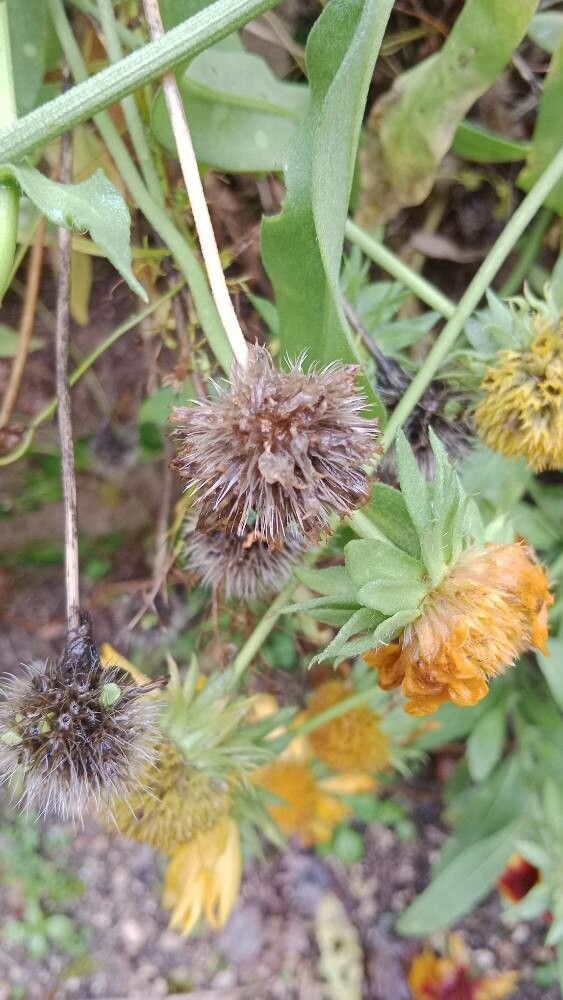
Well hello there, fellow plant lover! It’s so nice to have you join me for a cup of coffee and a chat about one of my absolute favorite garden treasures: Gaillardia pulchella, or as we gardeners affectionately call them, Blanket Flowers. Their fiery blooms, a vibrant mix of reds, oranges, and yellows, are like little bursts of sunshine that keep on giving. And the best part? They’re surprisingly easy to start from scratch! If you’re looking for a rewarding plant to propagate, Gaillardia is a fantastic choice, even for beginners.
The Best Time to Start
For Gaillardia, I find the late spring to early summer is your golden window. This is when the plant is actively growing and has plenty of energy to put into forming new roots. You can also take cuttings a bit later in the summer, as long as you give them enough time to establish before the cooler weather sets in.
Supplies You’ll Need
Gathering your tools ahead of time makes the whole process smoother. Here’s what I usually have on hand:
- Sharp, clean pruning shears or a sharp knife: For making neat cuts.
- Potting mix: A light, well-draining mix is crucial. I often use a blend of half potting soil and half perlite or coarse sand.
- Small pots or seed trays: Cleaned thoroughly, of course!
- Rooting hormone (optional but recommended): This gives cuttings a nice little boost.
- Watering can or spray bottle: For gentle watering.
- Plastic bag or a clear dome: To create a humid environment for cuttings.
Propagation Methods
Gaillardia is a wonderfully generous plant when it comes to sharing its offspring. Here are my go-to methods:
Stem Cuttings
This is my favorite way to multiply my Blanket Flowers.
- Select healthy stems: Look for those that are actively growing but not flowering. Aim for stems that are about 4-6 inches long. Avoid anything that looks woody or leggy.
- Make the cut: Using your sharp pruners, make a clean cut just below a leaf node (where a leaf attaches to the stem). This is where the magic happens for root development.
- Prepare the cutting: Gently remove the lower leaves from the cutting, leaving just a few at the top. You want bare stem at the bottom to insert into the soil.
- Apply rooting hormone (optional): Dip the cut end of the stem into your rooting hormone powder, tapping off any excess.
- Pot them up: Fill your small pots with your prepared potting mix. Make a small hole with your finger or a pencil and gently insert the cutting, making sure the leaf nodes are buried. Firm the soil gently around the stem.
- Water gently: Water the soil thoroughly but gently to settle it around the cutting.
- Create humidity: Place a clear plastic bag loosely over the pot, or use a clear dome. This traps moisture and keeps the cuttings from drying out. Make sure the leaves aren’t touching the sides of the bag if possible.
Division
If you have an established Gaillardia plant that’s looking a bit… well, a bit much, you can divide it.
- Dig it up: In spring or fall, when the plant is dormant or just starting its active growth, carefully dig up the entire plant.
- Separate the roots: Gently tease apart the root ball into smaller sections. You can use your hands for this, or if it’s a tough one, a trowel or even a clean spade. Each section should have roots and a healthy crown.
- Replant: Replant the divisions into their new spots in the garden or into pots, ensuring they are at the same depth they were originally growing. Water them in well.
The “Secret Sauce” (Pro Tips)
Here are a couple of tricks I’ve learned over the years that can really help your Gaillardia propagate successfully:
- Don’t let the leaves touch the water: This is crucial for cuttings. Submerged leaves will rot and can take your whole cutting down with them. If you’re water propagating (which can also work for Gaillardia, though I prefer soil), ensure only the bare stem is in the water.
- Bottom heat is your friend: If you’re serious about getting those cuttings to root quickly, consider using a heat mat. Placing your pots on a gentle heat mat (around 70-75°F) encourages root development from below, mimicking the warmth of spring soil. It makes a noticeable difference!
Aftercare & Troubleshooting
Once you see new growth on your cuttings, it’s a good sign that roots are forming! You can often tell by giving the cutting a very gentle tug – if there’s resistance, roots are likely developing.
- Gradual acclimatization: Don’t yank off that plastic bag just yet! Gradually introduce your new plant to drier air by opening the bag for a few hours each day, slowly increasing the time over a week.
- Watering: Keep the soil consistently moist but not soggy. Overwatering is the quickest way to invite trouble.
- Common issues: The biggest enemy is rot. If you see stems turning mushy and black, rot has set in. This usually means too much moisture and not enough air circulation. Ensure good drainage and don’t overwater. If a cutting looks completely limp and has been consistently damp, sadly, it’s usually a lost cause.
A Little Patience Goes a Long Way
Propagating plants is a wonderfully forgiving process. Don’t be discouraged if not every cutting takes. It’s all part of the learning journey. Celebrate the successes, learn from the failures, and most importantly, enjoy the magic of bringing new life into your garden! Happy propagating!
Resource:
https://identify.plantnet.org/k-world-flora/species/Gaillardia%20pulchella%20Foug./data