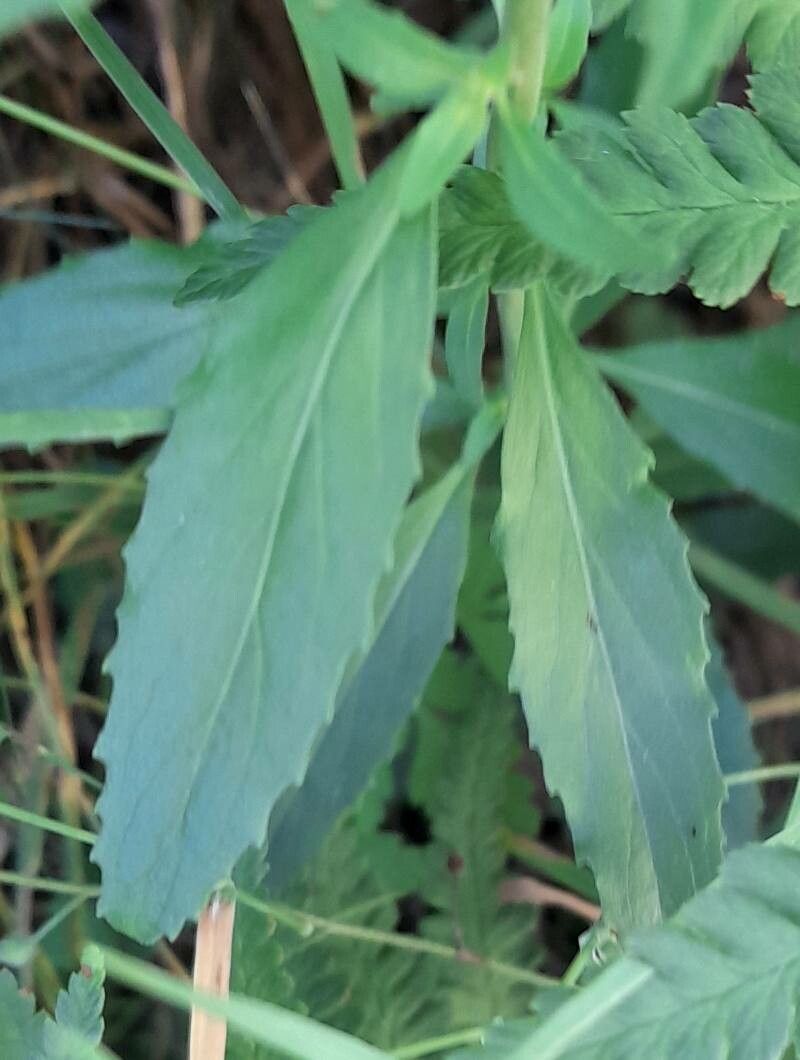
Oh, hello there! Come on in, grab a mug. I’m so glad you’re curious about propagating Epilobium lanceolatum – or as many of us affectionately call it, Lanceleaf Fireweed. It’s such a charming plant, isn’t it? Those delicate, soft pink blooms nodding in the breeze are just pure poetry in the garden. And the best part? You can easily share that beauty with friends, or simply have more of it yourself, without breaking the bank.
I’m happy to tell you that this isn’t a plant that will have you tearing your hair out. If you’ve got a little bit of patience and a willingness to get your hands a bit dirty, you’ll find propagating Epilobium lanceolatum to be quite straightforward. It’s a rewarding little project, truly.
The Best Time to Start
For the highest success rate, I always aim to take cuttings in late spring or early summer. When the plant is actively growing but before it gets too hot and stressed, the stems are full of vigor. You want softwood or semi-hardwood cuttings – that means stems that are flexible and green, but have started to firm up a little. You can also propagate from divisions, which is often best done in early spring as growth begins, or in early autumn after the flowering season.
Supplies You’ll Need
Before we dive in, let’s make sure you’ve got your toolkit ready:
- Sharp pruning shears or a clean knife: For making clean cuts.
- Small pots or seed trays: With good drainage, of course!
- A well-draining potting mix: I like to use a 50/50 blend of seedling starting mix and perlite for cuttings. For divisions, a good quality potting soil will do just fine.
- Rooting hormone (optional but helpful): A powdered or liquid rooting hormone can give your cuttings a nice boost.
- A watering can with a fine rose: To water gently.
- Plastic bags or a propagator: To create a humid environment for cuttings.
- Labels and a marker: So you don’t forget what you planted!
Propagation Methods
There are a couple of ways to go about this, and both work beautifully for Epilobium lanceolatum.
Stem Cuttings
This is my go-to method when I want to increase my stock quickly.
- Select your stem: Look for healthy, non-flowering shoots that are about 4-6 inches long.
- Make the cut: Using your clean pruners, cut the stem just below a leaf node. This is where roots are most likely to form.
- Prepare the cutting: Gently strip off the lower leaves from about half to two-thirds of the stem. This prevents them from rotting when buried. If there are any flower buds forming, pinch them off.
- Apply rooting hormone (if using): Dip the cut end of the stem into your rooting hormone, tapping off any excess.
- Pot them up: Fill your small pots with your prepared potting mix. Make a small hole with your finger or a pencil and insert the cutting, ensuring the leaf nodes are below the soil surface. Gently firm the soil around it.
- Water gently: Water the pots thoroughly, making sure the soil is moist but not waterlogged.
- Create humidity: Cover the pots loosely with a plastic bag or pop them into a propagator. This helps keep the cuttings from drying out while they’re trying to root. Place them in a bright spot with indirect light.
Division
This method is perfect for tidying up overgrown clumps and getting more plants at the same time.
- Dig up the plant: In early spring or autumn, carefully dig up the entire clump of Epilobium lanceolatum.
- Gently tease apart: Use your hands or a trowel to gently separate the root ball into smaller sections. You want each section to have a good amount of roots and at least a few healthy shoots or growing points.
- Replant: Prepare planting holes in their new, permanent locations. Plant the divisions at the same depth they were growing before, water them in well, and mulch around the base.
The “Secret Sauce” (Pro Tips)
Here are a few little tricks I’ve learned over the years that can really make a difference:
- Don’t let the leaves touch the water: If you choose to try water propagation (which can work for Epilobium), make sure only the cut end of the stem is submerged. Any leaves dipping into the water will just rot and can invite disease.
- Bottom heat is your friend: As tempting as it is to just stick them on a windowsill, new cuttings often root faster and more reliably if they have a bit of warmth from below. A heated propagator or a simple seedling heat mat placed under the pots creates an ideal environment.
- Patience is key with soil: When you’re potting up cuttings, don’t be tempted to overwater. It’s much better to have slightly dry soil that you can moisten than soil that’s constantly soggy, which can lead to rot before roots even have a chance. Check the moisture by sticking your finger in – if the top inch feels dry, it’s time for a drink.
Aftercare & Troubleshooting
Once your cuttings have developed roots – you can give them a gentle tug, and if there’s resistance, they’ve rooted! – it’s time to move them into slightly larger pots or their final planting spot. Continue to water them regularly, but avoid waterlogging. Gradually acclimate them to less humid conditions by opening the propagator or removing the plastic bags for increasing periods.
The most common issue you’ll encounter is rot. If you see stems turning mushy and black, they’ve probably succumbed to too much moisture or a fungal issue. Don’t be discouraged! Remove the affected cuttings, improve air circulation, and be a bit more cautious with watering for the next batch. Yellowing leaves on established cuttings could mean they need more light, or sometimes it’s just a bit of transplant shock as they settle in.
A Encouraging Closing
Propagating plants is a bit like magic, don’t you think? You take a small piece of something, give it a little encouragement, and watch it transform into a whole new life. Be patient with your Epilobium lanceolatum cuttings. Some will take longer than others, and not every single one will make it, and that’s perfectly okay. Enjoy the process, learn from each little experiment, and before you know it, you’ll have a garden bursting with your own successful little fireweed babies. Happy gardening!
Resource: