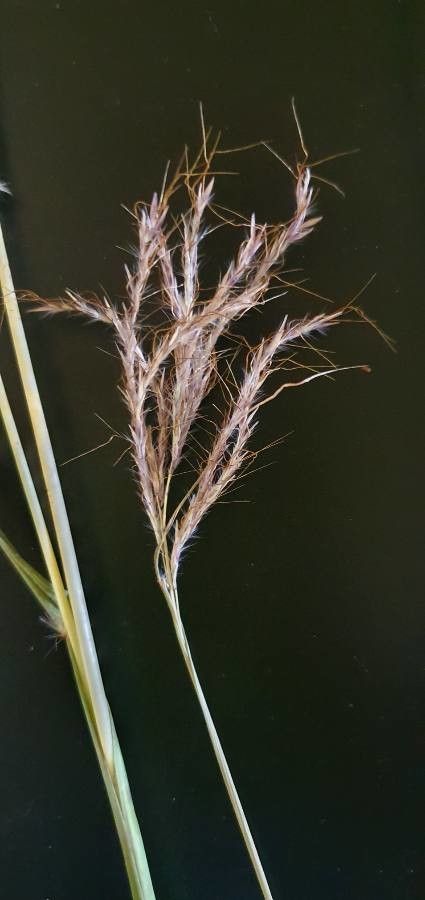
Hey there, fellow garden lovers! Pull up a chair, grab a cuppa, and let’s chat about a real gem: Bothriochloa insculpta, also known as King Ranch bluestem. This beautiful bunchgrass can add such a lovely textural element to a landscape, with its elegant blue-green foliage and graceful seed heads. If you’ve ever admired its resilience and charm in your own garden or at a botanical garden, you’ll be thrilled to know that propagating it is a really rewarding endeavor.
Now, I’ll be honest, it’s not the absolute easiest plant for a complete beginner who’s never stuck a cutting in the ground before, but it’s definitely achievable with a little patience and the right approach. For those of you who have a few successful cuttings under your belt, this will be a delightful new project!
The Best Time to Start
For Bothriochloa insculpta, your best bet for successful propagation is during its active growing season. Think late spring through early summer. This is when the plant is producing lots of vibrant new growth and has the energy to put into developing roots. Starting too early, when things are still cool, or too late in the fall, when growth is slowing down, can lead to lower success rates. We want robust, healthy material to work with!
Supplies You’ll Need
Here’s a little kit to get you started:
- Sharp, clean pruning shears or a sharp knife: For making clean cuts. Dull tools can damage the plant tissue.
- Rooting hormone (optional but recommended): A powder or gel that encourages root development.
- Well-draining potting mix: I like a blend of equal parts peat moss or coco coir, perlite, and a bit of compost. For grasses, good aeration is key.
- Small pots or seed trays: Clean ones, please!
- Watering can or spray bottle: For gentle watering.
- Plastic bags or a humidity dome: To create a mini-greenhouse effect.
Propagation Methods
Let’s dive into how we can get more of these beauties!
Division (The Easiest Route)
This is often the most straightforward way to propagate Bothriochloa insculpta, especially if you already have a mature clump.
- Prepare for Digging: Water your existing plant well a day or two before you plan to divide. This helps the roots stay hydrated during the process.
- Gently Excavate: Using a spade, carefully dig around the base of the clump and lift it out of the ground. It’s best to do this when the soil is slightly moist, not bone dry or waterlogged.
- Separate the Clumps: Gently pull the root ball apart with your hands. You can also use your clean pruning shears or a sharp spade if the roots are very dense. Aim for divisions that have at least a few healthy shoots and a good portion of roots.
- Replant Immediately: Pot up your new divisions in your well-draining potting mix, or replant them directly into their new garden homes. Water them in thoroughly.
Stem Cuttings (For the Patient Gardener)
This method takes a bit more time, but it’s incredibly satisfying when you see those roots form!
- Select Healthy Stems: Look for young, actively growing stems that are about 4-6 inches long. Avoid old, woody growth or flowering stalks.
- Make the Cut: Using your sharp shears, make a clean cut just below a leaf node (the point where a leaf attaches to the stem). Remove any lower leaves, leaving just a couple at the top.
- Dip in Rooting Hormone (Optional): If you’re using rooting hormone, dip the cut end of the stem into it, tapping off any excess.
- Plant the Cuttings: Insert the cut end of the stem into your pre-moistened, well-draining potting mix. Make sure the leaf nodes are submerged in the soil, as this is where roots will emerge.
- Create a Humid Environment: Water gently, then cover the pot loosely with a plastic bag or place it under a humidity dome. Ventilate it daily for a few minutes to prevent mold.
- Provide Warmth: Placing the pot on a heat mat can significantly speed up root development.
The “Secret Sauce” (Pro Tips)
Here are a couple of things I’ve learned over the years that really make a difference:
- Don’t Overwater! This is crucial for grass propagation. Cuttings and divisions need to be kept consistently moist, but never soggy. Soggy soil is the fast track to rot, and nobody wants that! Let the top layer of soil dry out slightly between waterings.
- Think “Warm Feet, Cool Tops”: When using stem cuttings, bottom heat from a heat mat is your best friend. It encourages root formation. However, keeping the foliage cool and out of direct, scorching sun will prevent the cuttings from drying out too quickly. A bright, indirect light is perfect.
Aftercare & Troubleshooting
Once you see new growth emerging, that’s a great sign that roots are forming!
- Gradually Acclimate: If you’ve covered your cuttings, slowly start to remove the plastic or ventilation cover over a few days to help them adjust to normal humidity.
- Gentle Watering: Continue to water gently as needed. You can test for root development by giving the pot a very gentle tug. If there’s resistance, you likely have roots!
- Watch for Rot: The biggest sign of trouble is stems turning mushy, black, or developing a foul smell. This usually means you’re overwatering or have poor drainage. If you see this, try to remove the affected cuttings, improve drainage, and be more judicious with your watering. Brown, crispy tips can indicate it’s too dry or been exposed to too much direct sun.
A Little Encouragement
Propagating plants is a journey, and sometimes it takes a few tries to get it just right. Be patient with yourself and your Bothriochloa insculpta. Enjoy the process of nurturing these new life forms from your existing beauties. Happy growing!
Resource: