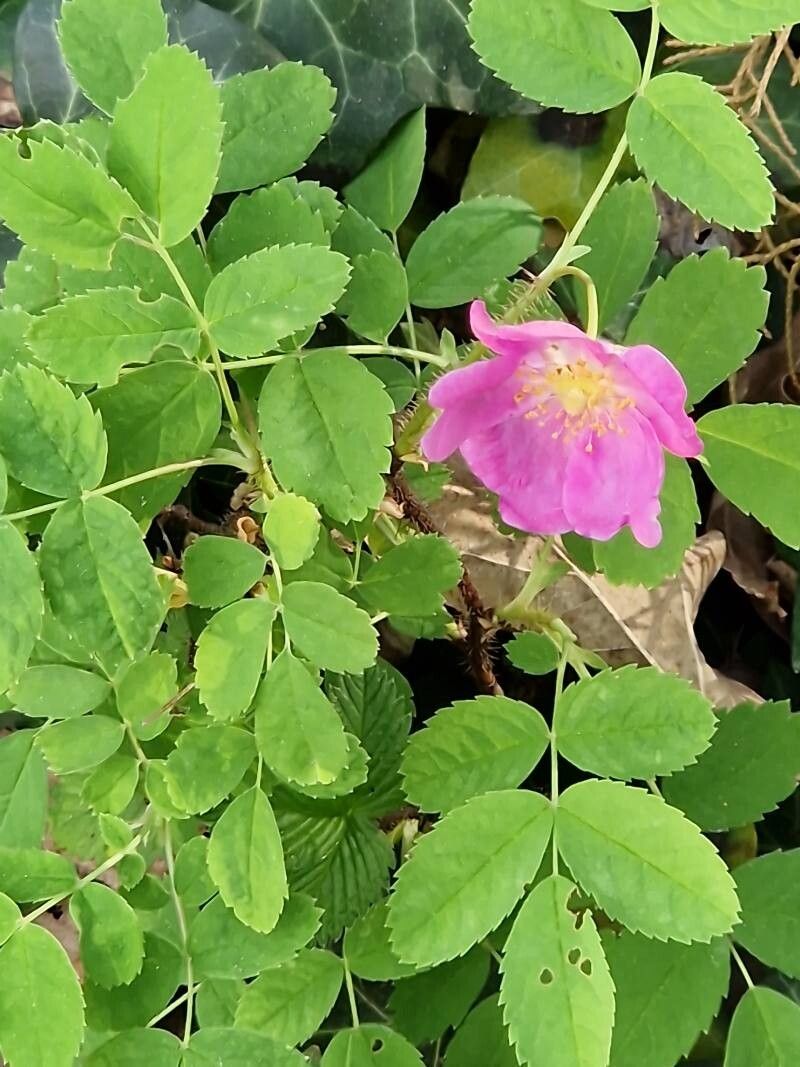
Oh, hello there! Come on in and pull up a chair. Let’s chat about a truly special rose: Rosa acicularis, the Prickly Rose. I’ve always been drawn to its wild beauty and the generous hips it offers. It’s a real survivor, thriving in tough conditions, and bringing such lovely, simple charm to any garden. And the best part? Sharing this beauty by propagating it yourself is incredibly rewarding. For beginners thinking about dipping their toes into rose propagation, Rosa acicularis is a wonderfully forgiving choice. You’ll be amazed at how often it works!
The Best Time to Start
My favorite time to get busy with Rosa acicularis is usually at the tail end of spring or early summer. You’re looking for wood that’s started to mature a bit, but hasn’t gotten too tough and woody yet. Think of it as being firm but still flexible. This is when the plant has good energy reserves and is ready to put on new growth.
Supplies You’ll Need
To give our new rose babies the best start, here’s what I usually have on hand:
- Sharp Pruning Shears or a Knife: Clean cuts are key for healthy root development.
- Rooting Hormone: While not strictly essential for Rosa acicularis (they’re quite keen to root!), it can give you an extra boost. I prefer the powder form.
- Well-Draining Potting Mix: A mix of perlite, peat moss, and good quality potting soil works wonders. You want it to hold moisture but not become waterlogged.
- Small Pots or Propagation Trays: About 4-6 inch pots are usually perfect. Make sure they have drainage holes!
- Plastic Bags or Clear Domes: To create a humid environment for our cuttings.
- Watering Can or Spray Bottle: For gentle watering.
- Labeling Stakes: So you don’t forget what you’ve potted!
Propagation Methods
Let’s get our hands dirty! Here are my go-to methods for Rosa acicularis:
Stem Cuttings (My Favorite!)
This is often the most successful way to get new plants.
- Take Your Cuttings: When you’re pruning or just tidying up your rose, look for healthy, current-season shoots. You want pieces that are about pencil-thick and around 6-8 inches long. Make a clean cut just below a leaf node. Remove any flowers or buds – we want the plant’s energy to go into roots, not blooms.
- Prepare the Cuttings: Strip off the lower leaves, leaving just a couple at the top. If your cuttings are particularly long, you can even halve the remaining leaves to reduce water loss.
- Dip in Rooting Hormone: Lightly dip the cut end of each stem into the rooting hormone, tapping off any excess.
- Plant Your Cuttings: Fill your pots with the well-draining mix. Make a hole with your finger or a pencil and gently insert the cutting, ensuring the hormone-dipped end is covered. Firm the soil gently around it. I like to plant 2-3 cuttings per pot, giving them a little space.
- Water Gently: Water the soil thoroughly but gently from the bottom if possible, or use a fine rose on your watering can.
- Create Humidity: Cover the pot with a clear plastic bag or a propagation dome. Make sure the plastic doesn’t touch the leaves too much. You can use stakes to keep it propped up. Place them in a bright spot, but out of direct, hot sun.
Division (For Established Plants)
If you have a mature Rosa acicularis that’s a bit of a beast, you can divide it. Autumn is typically the quietest time for the plant, making it less stressed for this operation.
- Dig Up the Plant: Carefully dig around the base of the rose, trying to get as much of the root ball as possible.
- Separate the Roots: Gently shake off excess soil. You’re looking for natural divisions where the plant has grown into separate crowns with their own roots. You can use a sharp spade or even a clean trowel to carefully split the plant. If it’s a bit stubborn, don’t be afraid to use your pruners to cut through thicker roots.
- Replant Immediately: Get your divisions replanted into prepared spots in the garden or into suitable pots filled with good soil. Water them in well.
The “Secret Sauce” (Pro Tips)
After years of coaxing roses, I’ve picked up a few tricks:
- Don’t Let Those Leaves Dunk! If you’re trying water propagation, make sure none of the leaves touch the water. They’ll just rot, and that’s a fast track to failure. Only the stem should be submerged.
- Bottom Heat is Your Friend: For stem cuttings, a little warmth from below can make a world of difference. A heat mat placed under your propagation tray really speeds up root formation. It mimics that nice cozy feeling the plant loves.
- The “Heel” Trick: When taking cuttings, some folks swear by taking a cutting with a little sliver of older wood attached – a “heel.” This older wood can sometimes have dormant buds that help with rooting. Trim any ragged bits off this heel before you add rooting hormone.
Aftercare & Troubleshooting
Once you see little white root nubs peeking out from the drainage holes or when you give your cutting a gentle tug and feel resistance, it’s time to start treating it like a young rose!
- Gradual Acclimation: If you’ve used a bag or dome, slowly start to open it up over a week or two to let the new plant get used to the dryer air.
- Watering: Keep the soil consistently moist but not soggy. As the roots develop, you can start watering more like you would a regular potted plant.
- Feeding (Gently!): Once you see new leafy growth, you can start giving them a very diluted liquid feed, maybe once a month.
- Signs of Trouble: The most common issue is rot. If your cutting turns black and mushy, it’s usually a sign of too much moisture and not enough air circulation. If it wilts and the leaves turn yellow and drop, it might be too dry or not getting enough light. Don’t get discouraged if a few don’t make it – it’s all part of the learning process!
A Little Bit of Encouragement
Propagating Rosa acicularis is such a joy. It connects you to the plant in a whole new way, and there’s immense satisfaction in nurturing a tiny cutting into a beautiful, blooming rose. Be patient with yourself and with your new charges. Enjoy the journey, celebrate every bit of new growth, and who knows, you might just find yourself with a whole collection of your favorite prickly charmers! Happy gardening!
Resource:
https://identify.plantnet.org/k-world-flora/species/Rosa%20acicularis%20Lindl./data