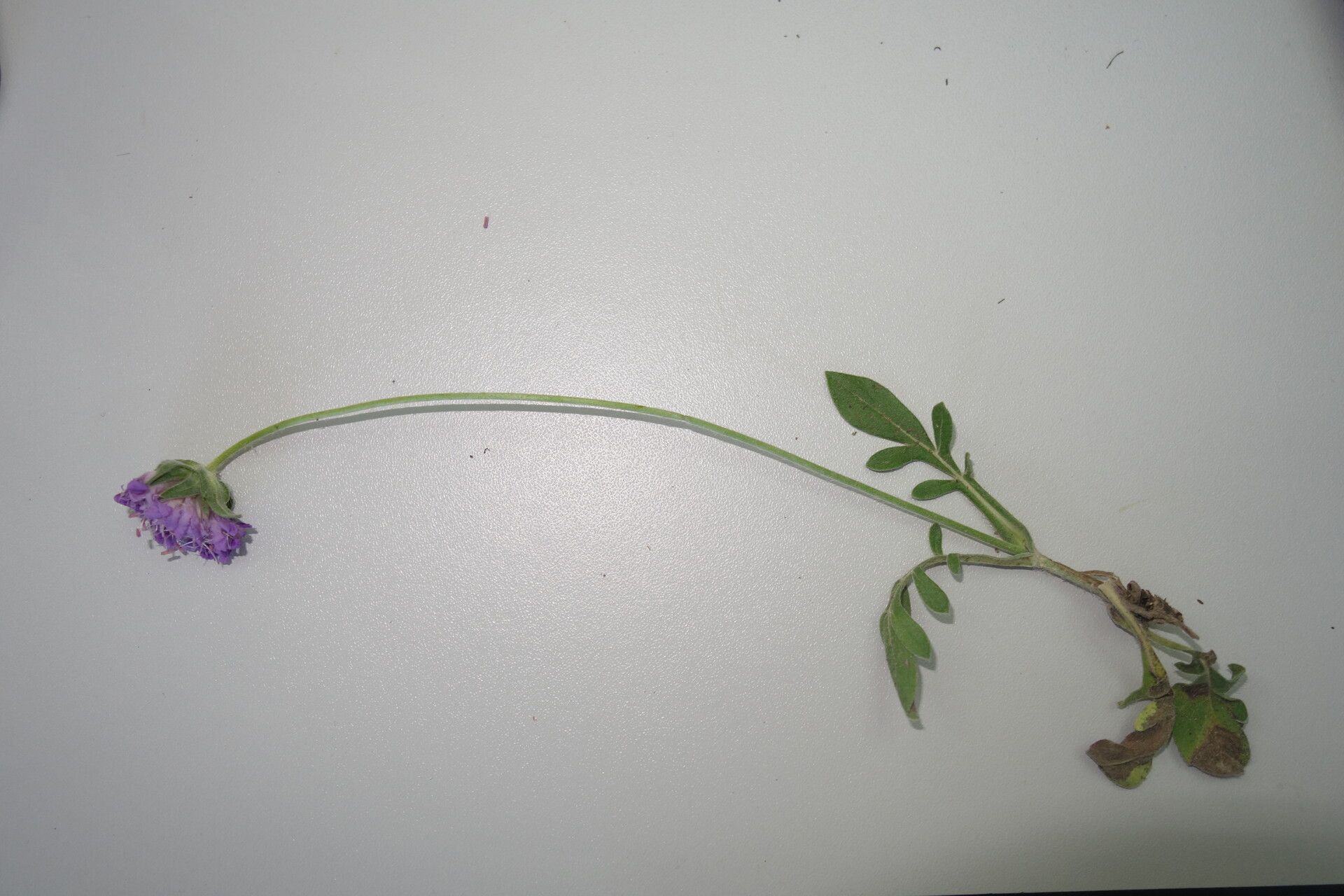
Oh, hello there! Come on in and grab a mug. Today, we’re going to chat about one of my favorite less-common beauties: Knautia subscaposa. If you’ve ever spotted this charming plant, with its delicate, pincushion-like blooms gracing a garden, you know it’s got a certain je ne sais quoi. It’s like a wildflower dressed up for a party, all subtle elegance and airy grace. Propagating them can feel like unlocking a little garden magic, and I find it incredibly rewarding to watch those tiny starts grow into full, gorgeous plants. Now, is it a beginner’s plant to propagate? Honestly, it’s not one of the easiest out there, but it’s certainly achievable with a bit of care and the right know-how. Think of it as a rewarding challenge, rather than a daunting task.
The Best Time to Start
For Knautia subscaposa, late spring to early summer is your sweet spot. This is when the plant is actively growing, producing lots of lovely new shoots that are perfect for taking cuttings. Waiting until the plant has finished its initial flush of growth but before the real heat of summer sets in gives the cuttings the best chance to establish themselves before facing harsh conditions.
Supplies You’ll Need
Here’s what you’ll want to have on hand before we get started:
- Sharp, clean pruning shears or a sharp knife: Crucial for clean cuts that heal well.
- Well-draining potting mix: I usually go for a blend of peat moss, perlite, and a bit of sand. You can also find commercial seedling mixes.
- Small pots or propagation trays: Clean ones are key to preventing disease.
- Rooting hormone (optional, but recommended): A little boost can significantly improve success rates.
- Clear plastic bags or propagation dome: To create a humid environment.
- Watering can with a fine rose sprinkler: For gentle watering.
- Labels and a pen: To keep track of what you’ve planted and when.
Propagation Methods
We’ll focus on stem cuttings, which is my go-to method for Knautia subscaposa.
- Select Your Cuttings: Look for healthy, non-flowering shoots that are about 3-4 inches long. You want them to be somewhat firm but not woody. Using shoots that have just finished flowering and have gone a bit past their prime can also work, as they often have more energy for root development.
- Make the Cut: Using your clean shears or knife, make a cut just below a leaf node (where a leaf attaches to the stem). This is where roots tend to form most readily.
- Prepare the Cutting: Gently remove the lower leaves from the cutting. You want to leave a couple of leaves at the top to photosynthesize, but stripping away the lower foliage prevents them from rotting in the damp environment. If the remaining leaves are very large, I’ll often snip them in half to reduce water loss.
- Apply Rooting Hormone (if using): Dip the cut end of the stem into your rooting hormone powder or gel. Tap off any excess.
- Plant Your Cuttings: Fill your pots or trays with your well-draining mix. Make a small hole with your finger or a pencil, and gently insert the cutting so the leaf nodes where you removed the leaves are buried. Firm the soil gently around the stem.
- Water Gently: Water the mix thoroughly but gently. You want it moist, not waterlogged.
- Create a Humid Environment: Cover the pots with a clear plastic bag, securing it around the rim with a rubber band, or place them under a propagation dome. This traps humidity, which is vital for cuttings to form roots. Place them in a bright spot, but out of direct sunlight.
The “Secret Sauce” (Pro Tips)
Here are a few things I’ve learned over the years that really make a difference:
- Once you’ve watered, give the pot a little tap on the counter to settle the soil. This ensures good contact between the cutting and the soil, and it removes any air pockets that could lead to drying out.
- I’ve found with Knautia that a bit of bottom heat can work wonders. If you have a heat mat designed for seedlings, placing your propagation trays on it a few hours a day can really encourage root development. Just don’t let it get too hot!
- Don’t be tempted to peek too much! Every time you lift the bag or dome, you lose precious humidity. Wait at least two weeks before you start looking for signs of new growth. Patience is truly a gardener’s virtue here.
Aftercare & Troubleshooting
Once you start seeing tiny new leaves emerging, this is a great sign that roots have formed! You can gently tug on a cutting – if there’s resistance, it’s rooted.
- Weaning Off Humidity: Gradually reduce the humidity over a week or two. Start by lifting the plastic bag for a few hours a day, then eventually remove it altogether.
- Acclimating to Life: Once the cuttings are fully rooted and have developed some new growth, you can transplant them into individual pots. Continue to keep them in bright, indirect light and water when the top inch of soil feels dry.
- Troubleshooting: The biggest culprit for failure is usually rot. This happens when the cuttings are kept too wet or don’t have adequate drainage. If you see a cutting turning brown and mushy, it’s usually a goner. The best prevention is that well-draining soil and not overwatering. If your cuttings are wilting, check your humidity levels or their watering schedule.
A Encouraging Closing
Growing new plants from cuttings is such a rewarding journey, and your Knautia subscaposa plants will thank you for the effort. Remember, not every cutting will make it, and that’s perfectly okay! Each attempt is a learning experience. Be patient, keep your soil moist but not soggy, and enjoy the quiet satisfaction of bringing more beauty into your garden. Happy propagating!
Resource:
https://identify.plantnet.org/k-world-flora/species/Knautia%20subscaposa%20Boiss.%20&%20Reut./data