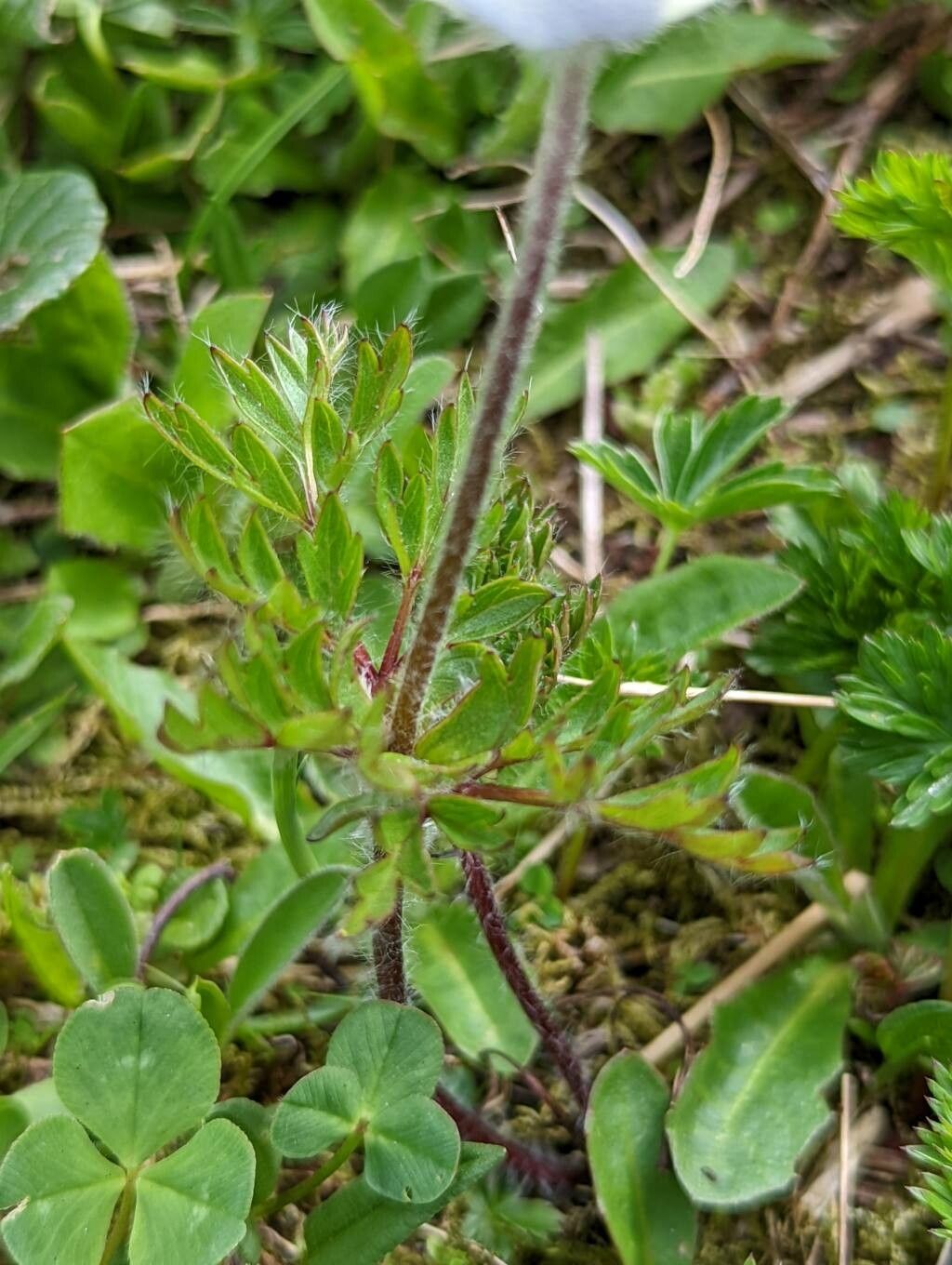
Hello green thumbs! I’m so delighted you’re interested in Pulsatilla scherfelii. This little beauty, often called Alpine Pasqueflower, is just bursting with charm. With its fuzzy buds that unfurl into ethereal, star-shaped flowers, it’s a real delight in any garden, especially in those early spring months. Propagating it yourself is incredibly rewarding – it’s like unlocking a little bit of nature’s magic. Now, I’ll be honest, Pulsatilla scherfelii can be a tad tricky for absolute beginners, but with a little care and this guide, you’ll be well on your way.
The Best Time to Start
For the happiest results, I find the late spring to early summer is your golden window. This is when the plant is actively growing after its spring bloom, and there’s plenty of energy for rooting. If you’re working with divisions, early spring, just as new growth is appearing, is also a great time.
Supplies You’ll Need
Before we dive in, let’s gather our tools:
- Sharp pruning shears or a clean knife: For making precise cuts.
- Well-draining potting mix: A special mix for coneflowers and similar plants works wonderfully. You can also make your own by combining peat moss, perlite, and a bit of compost.
- Small pots or seed trays: With drainage holes, of course!
- Rooting hormone (optional but recommended): This gives those cuttings a nice boost. Look for a powder or gel.
- Watering can with a fine rose: To avoid disturbing delicate seedlings or cuttings.
- Labels and a marker: To keep track of what you’ve planted!
- A bright, indirect light location: Avoid harsh direct sun.
Propagation Methods
Pulsatilla scherfelii is most successfully propagated through seed sowing and division. While stem cuttings are sometimes discussed, they are notoriously difficult for this particular species, so I’ll focus on the methods that yield the best results for us home gardeners.
Sowing Seeds
- When your Pulsatilla has finished flowering and the seed heads have formed (they look like feathery puffs), carefully collect the seeds.
- You can sow them fresh. Fill your seed trays with your well-draining mix and gently press the seeds onto the surface. Don’t bury them too deeply; just a light dusting of the potting mix is fine.
- Water gently to settle the seeds.
- Place the trays in a cool, shaded spot. Pulsatilla seeds often benefit from a period of cold stratification, meaning they need a chill to germinate. You can achieve this naturally over winter outdoors, or for a quicker start, sow them in late autumn and leave them outside where they’ll experience frost. Alternatively, you can simulate this by placing the sown trays in a plastic bag in the refrigerator for 4-6 weeks before bringing them out to a cool spot.
- Be patient! Germination can be slow and erratic, sometimes taking several weeks or even months.
Division
- Dig up the established plant in early spring as new growth emerges.
- Gently shake off excess soil from the roots.
- Using your sharp knife or pruning shears, carefully divide the root ball into sections. Aim for sections that have at least one or two healthy buds and a good clump of roots.
- Replant the divisions immediately into your prepared well-draining soil. Water them in well.
The “Secret Sauce” (Pro Tips)
Here are a couple of things I’ve learned over the years that can make a real difference:
- When sowing seeds, don’t be tempted to keep the soil constantly soggy. While they need moisture, overly wet conditions can lead to fungal issues. A consistent, light dampness is key.
- For divisions, if your soil is heavy or prone to waterlogging, add extra perlite or grit to the planting holes. Pulsatillas absolutely despise sitting in wet feet!
Aftercare & Troubleshooting
Once your seeds have germinated or your divisions have been replanted, the key is to provide consistent moisture without overwatering. Keep them in a bright location but protected from harsh afternoon sun. As they grow, you can gradually acclimatize them to more direct light.
The biggest challenge you might face is rot. If you see your seedlings or divisions wilting, turning mushy, or developing dark spots, it’s usually a sign of too much moisture and poor drainage. Act quickly by improving drainage and allowing the soil to dry out slightly between waterings. If rot is advanced, sadly, the plant may not recover.
A Encouraging Closing
Propagating Pulsatilla scherfelii is a journey, and like any good garden project, it requires a bit of patience. Don’t be discouraged if your first attempt isn’t perfect. Each season is a new opportunity to learn and refine your technique. Enjoy the process of nurturing these delicate plants and soon you’ll have even more of their star-like blooms gracing your garden. Happy growing!
Resource: