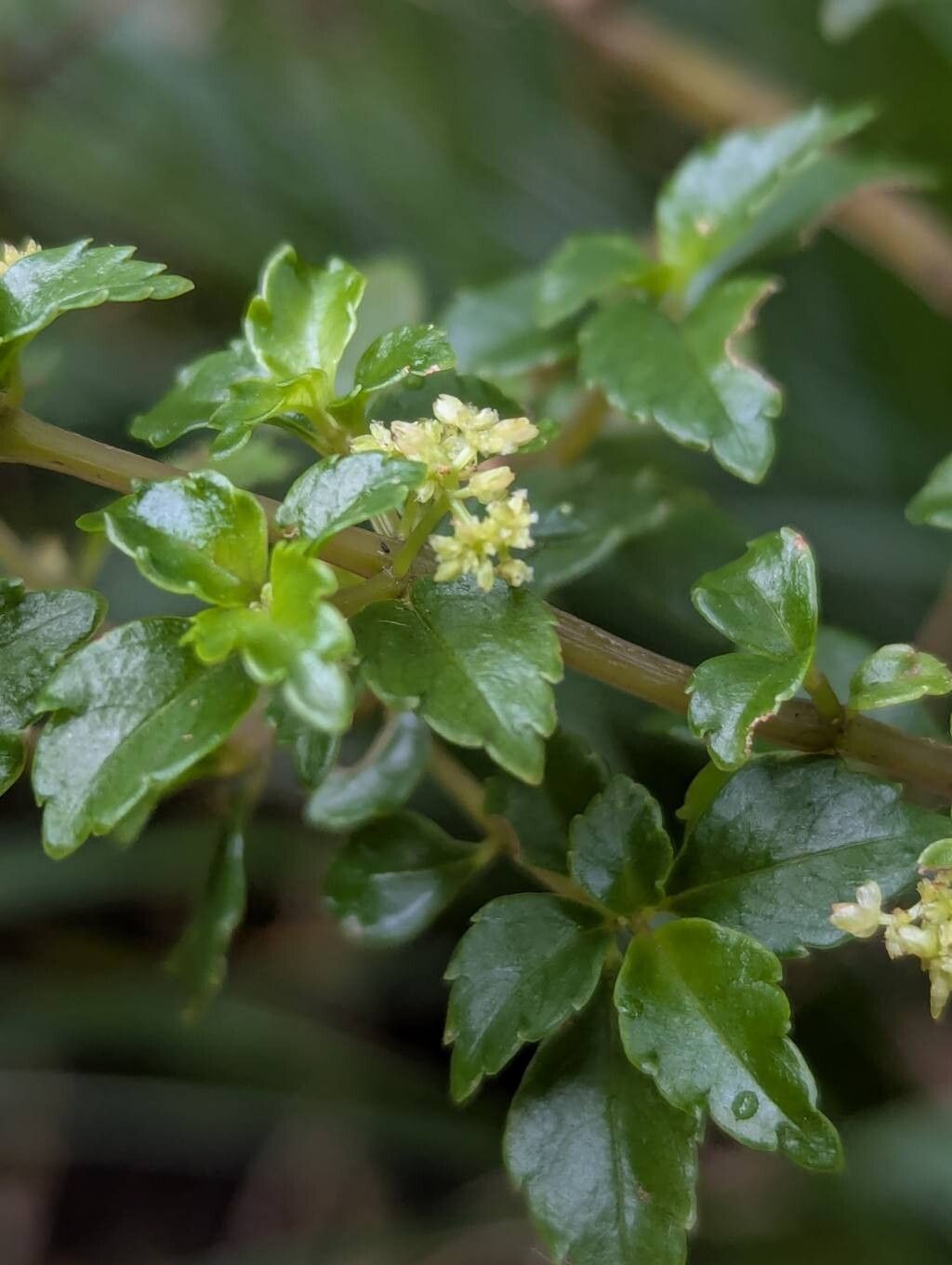
Hello there, fellow plant lovers! It’s so great to connect with you today. If you’ve been admiring the lush, vibrant foliage of Pilea urticifolia, often called the “Friendship Plant” for its delightful habit of producing lots of babies, then you’re in for a treat. Propagating this beauty is not just about getting more plants (though that’s certainly a joy!); it’s about engaging with nature and watching a tiny piece of your plant transform into a whole new life.
I find Pilea urticifolia to be a wonderfully rewarding plant for propagation. For beginners, I’d say it’s quite forgiving. It’s not one of those finicky plants that throws a tantrum at the slightest mistake. A bit of patience and these simple steps, and you’ll have a whole new generation of these cheerful greenery makers in no time.
The Best Time to Start
Honestly, you can propagate Pilea urticifolia pretty much year-round indoors, as long as your plant is actively growing. That said, I find the spring and early summer to be the absolute sweet spot. During these months, daylight hours are longer, and temperatures are generally a bit warmer, giving your cuttings that extra boost of energy they need to root successfully. Look for a healthy, vigorous parent plant that’s putting out new growth.
Supplies You’ll Need
Gathering your tools beforehand makes the whole process smooth sailing. Here’s what I usually have on hand:
- Sharp Pruning Shears or a Clean Knife: For making clean cuts.
- Rooting Hormone (Optional but Recommended): A little insurance for faster root development.
- Small Pots: Terracotta or plastic ones, about 3-4 inches in diameter work well.
- Well-Draining Potting Mix: I often use a mix of equal parts peat moss or coco coir, perlite, and a bit of potting soil.
- A Spray Bottle: For misting.
- Clear Plastic Bags or a Propagator Lid: To create a humid environment.
- Water: For water propagation.
Propagation Methods
Pilea urticifolia is a champion at producing offsets, making it super easy to multiply. Here are my go-to methods:
Method 1: Stem Cuttings
This is my most common and successful method.
- Select a Healthy Stem: Look for a stem that’s at least 3-4 inches long and has a few sets of leaves. It should be firm, not floppy.
- Make the Cut: Using your clean shears or knife, make a clean cut just below a leaf node (where the leaf attaches to the stem). This is where roots will typically emerge.
- Prepare the Cutting: Gently remove the lower leaves from the stem, leaving only a couple of sets at the top. This prevents them from rotting in the soil or water. If you’re using rooting hormone, dip the cut end into it now.
- Plant the Cutting: Fill your small pot with the well-draining potting mix. Make a small hole in the center with your finger or a pencil. Insert the stem into the hole, ensuring the leaf nodes are below the soil surface. Gently firm the soil around the stem.
- Water and Cover: Water the soil thoroughly until you see water draining from the bottom. Then, cover the pot with a clear plastic bag or a propagator lid to maintain high humidity.
Method 2: Water Propagation (for Stem Cuttings)
If you’re hesitant about soil, this is a superb alternative.
- Prepare the Cutting: Follow steps 1-3 from the stem cutting method above.
- Place in Water: Get a clean glass or jar and fill it with room-temperature water. Place your prepared cutting into the water, making sure the leaf nodes are submerged but the leaves are not.
- Monitor and Change Water: Place the jar in a bright spot, but out of direct sunlight. Change the water every 3-4 days to keep it fresh and prevent bacterial growth. You’ll start to see little white roots appearing from the nodes in a few weeks! Once the roots are about an inch long, you can pot them into soil.
Method 3: Division (Offset Propagation)
Pilea urticifolia often sends up little plantlets (babies) from its base.
- Gently Excavate: Carefully unpot your parent plant. You might be able to see where the new plantlets are emerging from the root ball.
- Separate the Offsets: Gently tease apart the offsets from the parent plant. If they have some roots attached, that’s ideal. If not, don’t worry too much, they’ll grow them!
- Pot Them Up: Pot each offset into its own small pot with the well-draining mix. Water them in well.
The “Secret Sauce” (Pro Tips)
Here are a few little tricks I’ve learned over the years that can really give your propagations a leg up:
- Don’t Let Those Leaves Touch the Water (in Water Propagation)! This is a big one. If the lower leaves sit in the water, they’ll start to rot and can take the whole cutting down with them. Snip them off cleanly before you immerse the stem.
- Consider Bottom Heat: If you’re propagating in cooler months or your home is a bit chilly, placing your pots on a heating mat designed for seedlings can make a world of difference. It encourages stronger root development from below.
- Patience, Patience, Patience! Many people get discouraged if they don’t see roots within a week or two. Pilea can be a bit slow to get going, so give them at least 3-4 weeks, and sometimes longer, to show you signs of life.
Aftercare & Troubleshooting
Once you see new growth or a good amount of roots emerging from the drainage holes, your little Pilea is ready to go!
- Gradual Acclimation: If you used a plastic bag, start by opening it for a few hours each day before removing it completely. This helps the baby plant adjust to lower humidity.
- Watering: Water when the top inch of soil feels dry. They like consistent moisture but not soggy feet.
- Light: Place them in bright, indirect light. Too much direct sun can scorch their delicate leaves.
Troubleshooting: The most common issue is rot, which usually happens due to too much moisture, poor drainage, or decaying leaves. If a cutting looks mushy, smells foul, or turns black at the base, it’s likely a goner. Don’t be discouraged! Just clean up your tools, grab a fresh cutting, and try again. Sometimes, a cutting might just refuse to root; that’s nature’s way of saying “not this time.”
A Little Encouragement to Finish
So there you have it, a simple guide to bringing more of these lovely Friendship Plants into your life. Remember, gardening is a journey, and propagation is one of its most rewarding chapters. Be patient with your new cuttings, offer them a little TLC, and most importantly, enjoy the magical process of watching them grow. Happy propagating!
Resource:
https://identify.plantnet.org/k-world-flora/species/Pilea%20urticifolia%20(L.f.)%20Blume/data