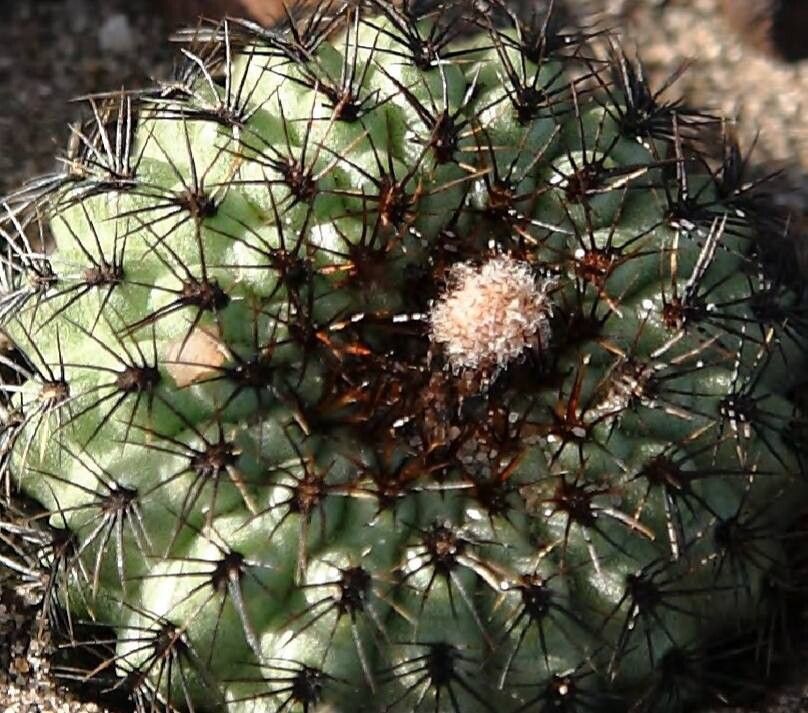
Hey there, fellow plant lovers! Today, we’re diving into the delightful, albeit sometimes slightly quirky, world of Frailea chiquitana. If you’re eyeing this fascinating little cactus for your collection – perhaps its unique ribbed body or its penchant for staying close to the ground has caught your eye – then you’re in for a treat. Propagating it is a truly rewarding experience, like nurturing a tiny miracle from something as simple as a part of the parent plant. Now, I’ll be honest, Frailea chiquitana isn’t the absolute easiest cactus to propagate for complete beginners. It can be a little shy with roots sometimes, but with a bit of know-how and patience, you’ll be well on your way to success.
The Best Time to Start
For most succulent and cactus propagation, the warmer months are your best bet. I find that late spring through summer is prime time for Frailea chiquitana. This is when the plant is actively growing and has the most energy to put into developing new roots. Starting when it’s comfortably warm will give your baby plants the best chance to establish themselves before cooler weather rolls in.
Supplies You’ll Need
Gathering your tools beforehand makes the whole process much smoother. Here’s what I usually have on hand:
- Well-draining potting mix: A specialized cactus and succulent mix is perfect. I often amend mine with extra perlite or pumice for even better drainage.
- Sharp, clean knife or pruning shears: Sterilize them with rubbing alcohol to prevent introducing any diseases.
- Rooting hormone (optional but recommended): This can give your cuttings a helpful boost.
- Small pots or trays: Terracotta pots are lovely because they breathe, but any pot with drainage holes will work.
- Gloves: Cacti can be prickly, even the small ones!
- Watering can with a fine rose or spray bottle: For gentle watering.
- Labels or plant markers: To keep track of what you’ve propagated.
Propagation Methods
While Frailea chiquitana can be grown from seed, the most common and frankly, most satisfying method for home growers is propagation by offsets or stem cuttings.
Propagating from Offsets (Pups)
Many Frailea species, including chiquitana, will naturally produce small offsets, or “pups,” at their base. These are essentially baby plants growing right next to the mother.
- Wait for the offset to grow: Look for pups that are at least a quarter of the size of the parent plant. They should have their own little root structure starting to form.
- Gently remove the offset: Use your clean knife or pruning shears to carefully sever the connection between the offset and the parent plant. Try to get a clean cut as close to the parent as possible, ideally with a bit of its own root attached.
- Allow to callus: This is a super important step for cacti! Place the detached offset in a dry, airy spot out of direct sunlight for 2-7 days. You want the cut surface to dry and form a protective scab, known as a callus. This prevents rot when you eventually plant it.
- Plant the offset: Once callused, gently place the offset into your well-draining potting mix. You can lightly press the cut end into the soil. Don’t bury it too deeply – just enough for it to stand upright.
- Wait to water: Resist the urge to water immediately. Wait a week or so after planting before giving it its first light watering. This gives any tiny nicks from planting time a chance to heal.
Propagating from Stem Cuttings (Less Common but Possible)
Sometimes, it’s easier to take a piece from the main body.
- Take a clean cut: Using your sterilized knife or shears, make a clean cut to remove a section of the stem. Again, aim for a healthy-looking piece.
- Callus is key: Just like with offsets, this cutting needs to callus over for several days to a week. Patience here is rewarded with a higher success rate.
- Plant the cutting: Once callused, you can insert the cut end into your prepared potting mix. You might want to stake it for support.
- Water sparingly: Again, hold off on watering for about a week.
The “Secret Sauce” (Pro Tips)
Here are a few tricks I’ve learned over the years that can really make a difference:
- Gentle bottom heat: While not strictly necessary, placing your pots on a seedling heat mat can significantly speed up root development. The warmth encourages root growth from below. Just keep the soil slightly moist, not wet.
- Don’t overwater, ever! This is the cardinal rule of cactus propagation. Overwatering is the quickest way to invite rot. Think of it as giving them just enough to sip, not to swim in. When you do water, aim to water thoroughly but then let the soil dry out completely before watering again.
- Location, location, location: Give your new propagations bright, indirect light. Too much direct sun can scorch delicate new growth, but too little light will weaken them. A bright windowsill or under a grow light is usually ideal.
Aftercare & Troubleshooting
Once your offsets or cuttings have bravely started to develop roots – you might see new growth or feel a slight tug when you gently try to move them – you can treat them more like mature plants, but still with a gentle hand.
- Watering: Continue to let the soil dry out between waterings. They’ll need less water than established plants, so err on the side of caution.
- Sunlight: Gradually introduce them to more light as they get stronger.
- Signs of Failure: The most common culprit is rot. If your cutting or offset turns mushy, black, or watery, it’s likely rotted. This usually happens due to overwatering or insufficient callusing. If you spot rot early, you might be able to cut away the rotten part and try to re-callus and replant the healthy portion. Sometimes, they just don’t root – that’s part of the learning curve too!
A Little Bit of Patience Goes a Long Way
Watching a new plant emerge from a small fragment is one of gardening’s quiet joys. Frailea chiquitana might test your patience a little, but the reward of seeing it thrive is absolutely worth the effort. So, gather your supplies, trust your instincts, and enjoy the process of nurturing these little desert gems. Happy growing!
Resource:
https://identify.plantnet.org/k-world-flora/species/Frailea%20chiquitana%20Cárdenas/data