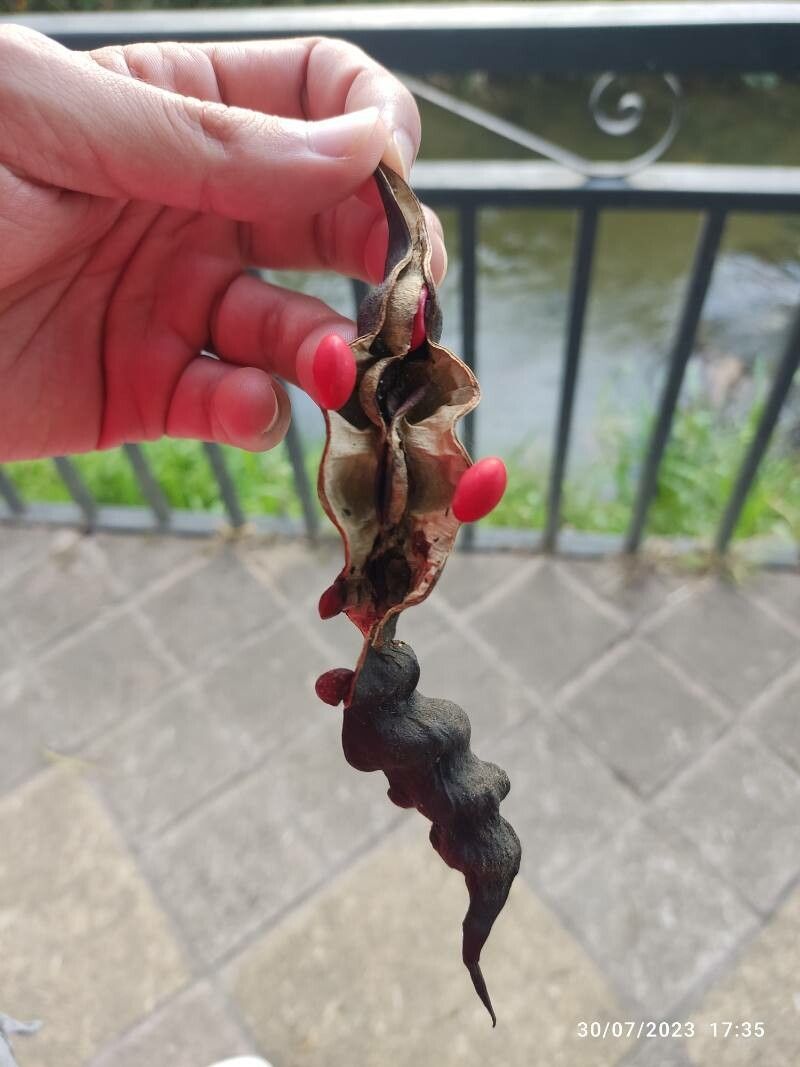
Oh, hello there! Pull up a chair and let’s chat about a plant that’s truly special: Erythrina longipes, the Coral Vine. I’ve spent so many years with this beauty, and honestly, its fiery blossoms are just stunning. They remind me of little coral branches erupting in a blaze of red. If you’ve ever admired one, you’ve likely thought, “How can I get more of these?” Well, I’m here to tell you that propagating Erythrina longipes is a wonderfully rewarding endeavor, and while it’s not quite as carefree as a dandelion, it’s certainly achievable for many of us. Don’t let that deter you; a little care goes a long way!
The Best Time to Start
For this particular lady, timing is everything. The absolute best time to begin propagating is in the late spring or early summer, right after the plant has finished its showy floral display. You want to catch it when it’s actively growing and full of vigor. This is when it has the most energy reserves to dedicate to developing new roots. Trying to propagate when it’s dormant or stressed is like asking someone to run a marathon without breakfast – not ideal!
Supplies You’ll Need
Gathering your supplies beforehand makes the whole process so much smoother. Here’s what I always have on hand:
- Sharp, clean pruning shears or a sharp knife: For making clean cuts.
- Rooting hormone: A good quality powder or gel will give your cuttings a helpful boost.
- Potting mix: A well-draining mix is crucial. I like a blend of perlite, peat moss, and a bit of compost. You can also find specialized houseplant or cactus mixes that work well.
- Small pots or seed trays: Clean ones, please!
- Plastic bags or a propagation dome: To maintain humidity.
- Water: For misting and watering.
- Labels and a permanent marker: To keep track of your precious babies.
- A warm location: This is key!
Propagation Methods
We’ll focus on a couple of tried-and-true methods that usually give me the best results with Erythrina longipes.
Stem Cuttings
This is my go-to for increasing my collection. It’s efficient and yields a good number of new plants.
- Select your stems: Look for healthy, non-flowering stem sections that are at least 6 inches long. You want stems that are firm, not woody, but have also put on some new growth from the current season.
- Make the cut: Using your clean pruning shears or knife, make a clean cut just below a leaf node. A leaf node is that little bump on the stem where a leaf grows out – that’s where the magic of root development usually starts!
- Prepare the cutting: Gently remove the lower leaves, leaving only the top 2-3 leaves intact. This helps reduce water loss and prevents leaves from rotting in the soil.
- Apply rooting hormone: Dip the cut end of the stem into your rooting hormone, tapping off any excess.
- Plant your cuttings: Fill your pots with your prepared well-draining potting mix. Make a small hole with your finger or a pencil and insert the cutting, ensuring the hormone-coated end is buried. Gently firm the soil around the stem.
- Water them in: Give the soil a gentle watering. You want it moist but not waterlogged.
- Create humidity: Cover each pot loosely with a plastic bag or place them under a propagation dome. This creates a mini-greenhouse effect, keeping the humidity high, which is vital for cuttings to root.
Division (Less Common, but Possible)
If you happen to have a larger, established clump, division can sometimes work, though it’s a bit more challenging and I tend to prefer cuttings for Erythrina longipes.
- Gently excavate: Carefully dig around the base of the established plant.
- Identify sections: Look for natural divisions where you can see separate root structures.
- Separate carefully: Using a clean, sharp trowel or knife, gently pry apart the sections, ensuring each new division has a good portion of roots attached.
- Replant immediately: Pot up each division into its own container with fresh, well-draining soil. Water thoroughly and keep the soil consistently moist.
The “Secret Sauce” (Pro Tips)
Here are a few tricks I’ve picked up over the years that really seem to make a difference:
- Bottom heat is your friend! Erythrina longipes loves a warm environment, especially while trying to root. Placing your pots on a heat mat designed for plants can significantly speed up root formation. It mimics the warmth of summer soil and really encourages those roots to sprout.
- Don’t drown your cuttings! This is a big one. While humidity is key, waterlogged soil is the fastest way to encourage rot. The goal is consistently moist, not soggy. I like to feel the soil with my finger; if the top inch feels dry, it’s time for a gentle drink.
- Patience is a virtue, my friend. Some cuttings will root in a few weeks, while others can take months. Don’t give up too soon! Gently tugging on a cutting is not the way to check for roots. Instead, look for new leaf growth – that’s usually a sure sign that roots are forming.
Aftercare & Troubleshooting
Once you see some nice new growth on your cuttings, it’s a good sign that roots have developed!
- Acclimate them slowly: Gradually remove the plastic bag or propagation dome over a few days. This allows the new plant to adjust to the drier ambient air.
- Move to brighter light: Once they are more established, move them to a location with bright, indirect light.
- Watering schedule: Continue to keep the soil consistently moist but not soggy. As the plant grows larger, you can gradually adjust to a less frequent watering schedule, letting the top inch of soil dry out between waterings.
The most common issue you’ll face is rot. If your cutting wilts and turns mushy, or develops dark, soft spots, it’s likely rotted due to too much moisture. The best thing to do is discard it and try again, making sure your soil is extra well-draining and you aren’t overwatering.
A Little Bit of Hope
There you have it! Propagating Erythrina longipes is a beautiful way to enjoy this stunning plant year after year. Remember to be patient, give them the care they need, and celebrate every little bit of success. Happy propagating, and I can’t wait to hear about your beautiful new Coral Vines!
Resource: