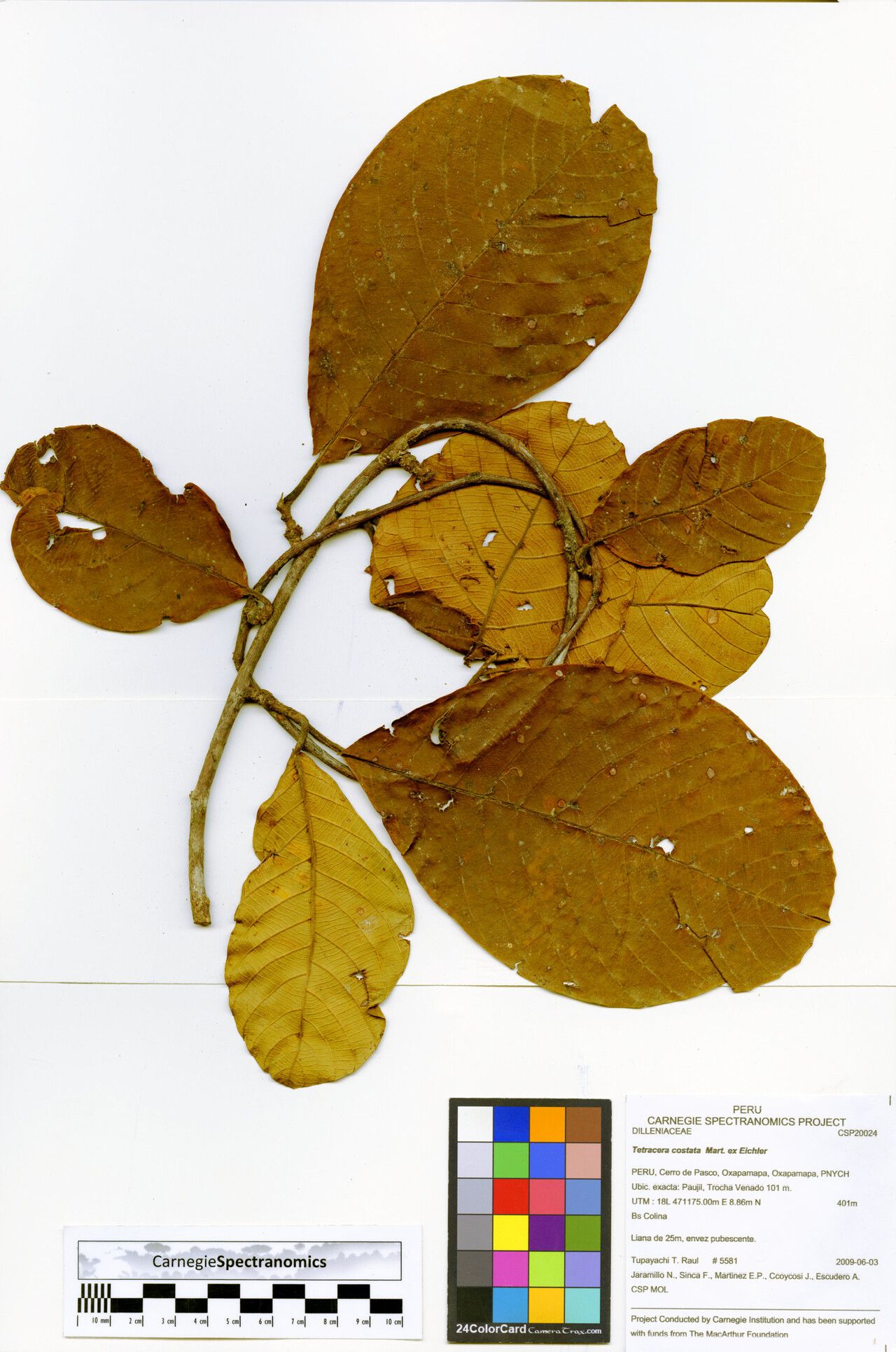
Oh, hello there! Pull up a chair and let’s talk about a plant that’s truly captured my heart over the years: Tetracera costata. If you’re looking for a bit of lush, tropical flair in your garden, or perhaps a stunning specimen for a bright, sunny spot indoors, this is a jewel worth exploring. Its glossy, textured leaves are an absolute delight, and the vibrant yellow flowers that can appear are simply breathtaking.
And the best part? Bringing more of these beauties into your life through propagation is incredibly rewarding. It’s a way to share them with friends (or just keep them all for yourself, no judgment here!). Now, while Tetracera costata isn’t exactly known for being a plant that sprouts new life with just a whispered word, it’s certainly not an insurmountable challenge, even for those of you just dipping your toes into the world of plant propagation. A little patience and the right approach go a long way.
The Best Time to Start
For Tetracera costata, spring is generally your golden ticket. As the days begin to lengthen and the plant is waking up from winter dormancy, its energy levels are just right to put towards making new roots. You’re looking for actively growing, healthy stems. Avoid trying to propagate from old, woody growth or during the hottest part of summer when things might be a bit too stressful for a brand-new baby plant.
Supplies You’ll Need
Before we dive in, let’s gather our trusty gardening companions. You’ll want:
- Sharp pruning shears or a clean knife: For making clean cuts that heal well.
- Rooting hormone powder or gel: This isn’t strictly essential, but it can give your cuttings a significant boost.
- A well-draining potting mix: I like a blend of coco coir, perlite, and a bit of compost. You want something that holds moisture but doesn’t get waterlogged.
- Small pots or seed trays: Clean ones are key to preventing disease!
- A clear plastic bag or propagator lid: To create a humid environment.
- A watering can with a fine rose: For gentle watering.
- Labels and a marker: So you don’t forget what you planted!
- Optional: A heat mat: This can really speed things up.
Propagation Methods
While Tetracera costata is a bit fussier than your average pothos, stem cuttings are my go-to method, and I’ve had fantastic success with it.
Stem Cuttings: A Step-by-Step Guide
- Select Your Stems: Choose healthy, non-flowering stems from your mature plant. Look for stems that are pencil-thick and have at least two or three sets of leaves.
- Make the Cut: Using your clean shears or knife, make a cut just below a leaf node (where a leaf attaches to the stem). Aim for cuttings that are about 4-6 inches long.
- Prepare the Cutting: Gently remove the leaves from the bottom half of the cutting. You want to expose the nodes where roots will eventually form. You can leave the top few leaves intact, but if they’re very large, consider cutting them in half to reduce water loss through transpiration.
- Apply Rooting Hormone: Dip the cut end of the stem into your rooting hormone, tapping off any excess. This step helps encourage root development.
- Plant Your Cuttings: Fill your small pots with your prepared potting mix. Make a hole in the center with your finger or a pencil, and insert the cut end of the stem. Gently firm the soil around the cutting so it stands upright. You can place 2-3 cuttings per pot, ensuring they aren’t touching each other too much.
- Water Gently: Give the soil a light watering with your fine-rose watering can. You want the soil to be moist, but not soggy.
- Create Humidity: Place the pots into a clear plastic bag or cover them with a propagator lid. This is crucial for keeping the humidity high around your cuttings, which helps them stay hydrated while they’re trying to root. Make sure the leaves don’t touch the plastic.
- Provide Warmth and Light: Place your cuttings in a bright spot, but out of direct, scorching sunlight. If you have a heat mat, this is where it shines! Placing the pots on a gentle, consistent heat source can significantly speed up the rooting process.
The “Secret Sauce” (Pro Tips)
Over the years, I’ve learned a few tricks that have made a real difference for me:
- The “Don’t Let It Drip” Rule: When you water, especially after planting, you want the soil to be consistently moist but never waterlogged. Soggy soil is the express ticket to rot for cuttings. If you see water pooling on the surface, drain it off.
- Bottom Heat is Your Best Friend: While not strictly necessary, a bit of gentle warmth from below (think 70-75°F or 21-24°C) provided by a heat mat can work wonders. It encourages those roots to form much more vigorously. You can often find small, inexpensive propagation mats for this purpose.
- Patience is a Virtue, But So is Observation: Don’t be tempted to pull up your cuttings every other day to check for roots. Give them at least 4-6 weeks. However, do check the humidity by peeking into the bag daily and lightly misting if things seem dry. Also, look for any signs of distress like yellowing or wilting leaves, which could indicate a problem.
Aftercare & Troubleshooting
Once you start to see new growth on your cuttings, or if you gently tug and feel resistance, it’s a good sign that roots have formed!
- Acclimatize Gradually: Begin to slowly reduce the humidity over the course of a week. This means opening the bag or propagator lid for longer periods each day. This helps your new little plant adjust to the drier air of your home.
- Watering: Continue to water when the top inch of soil feels dry. They’ll be more forgiving now, but still appreciate consistent moisture.
- Repotting: Once your new plants have a decent root system (you might see roots peeking out of the drainage holes), you can gently transplant them into slightly larger pots.
The most common problem you’ll encounter is rot. If your cuttings turn black and mushy, or if you notice a foul smell, it’s a sign of too much moisture and poor air circulation leading to fungal issues. Sadly, these are usually lost causes, but don’t get discouraged! Just remove them, sterilize your pots, and try again with fresh cuttings from your healthy parent plant.
Enjoy the Journey!
Propagating Tetracera costata is a journey, and like any good garden endeavor, it requires a bit of patience and a lot of love. Don’t be discouraged if your first attempt isn’t a resounding success. Each try teaches you something new. Celebrate the little victories, enjoy the process of nurturing new life, and soon you’ll be surrounded by even more of these beautiful plants. Happy propagating!
Resource:
https://identify.plantnet.org/k-world-flora/species/Tetracera%20costata%20Mart.%20ex%20Eichler/data