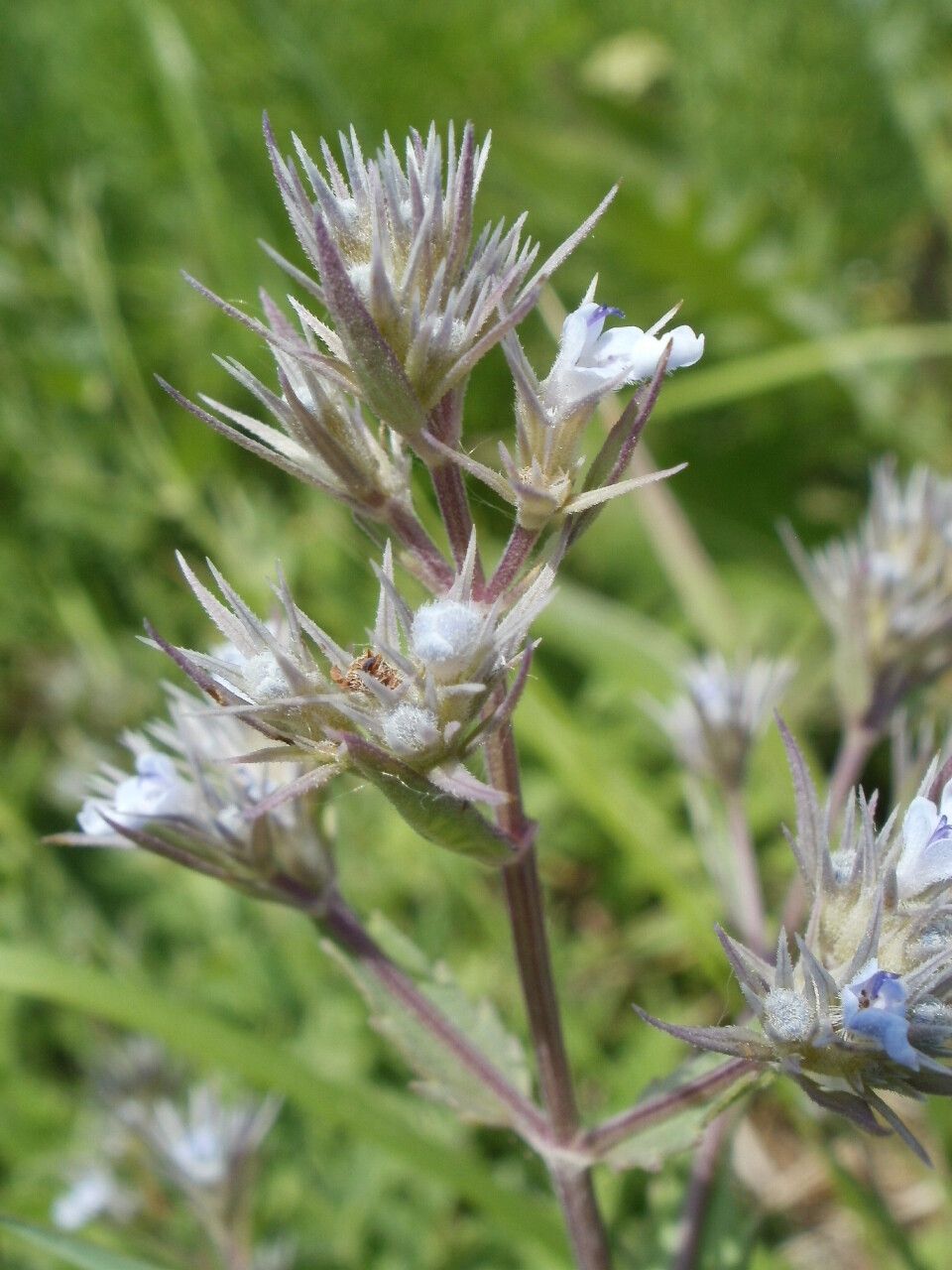
Hey there, fellow plant lovers! I’m so excited to chat with you today about a plant that’s been a quiet star in my garden for years: Nepeta ucrainica. You might know its more common cousins, like catmint, but this Eastern European beauty offers something a little unique. It’s got these gorgeous, soft lavender-blue flowers that seem to shimmer in the sunlight, and the fragrance is just divine – a sweet, herbaceous scent that pollinators adore.
There’s something incredibly satisfying about taking a piece of a plant you love and coaxing it into a new life. It feels like a little bit of magic, doesn’t it? For those of you just dipping your toes into the world of propagating, I have good news: Nepeta ucrainica is a generous plant, and with a few simple steps, you’ll likely find success. It’s a fantastic choice for beginners looking to expand their perennial collection without too much fuss.
The Best Time to Start
For the best chance of success with propagating Nepeta ucrainica, I always aim for late spring or early summer. This is when the plant is in its active growth phase, producing plenty of fresh, new stems. These young, green shoots are more pliable and have a higher hormone content, making them ideal for rooting. Avoid trying to propagate from woody, old stems, as they’re much less likely to establish.
Supplies You’ll Need
Before you dive in, gather your tools. Having everything ready makes the process so much smoother.
- Sharp pruning shears or a clean knife: For taking nice, clean cuttings.
- Small pots or seed trays: With drainage holes! This is crucial.
- Well-draining potting mix: A blend of peat moss or coco coir, perlite, and a bit of compost works wonders. You can also buy a specific seed starting or cutting mix.
- Rooting hormone (optional but recommended): A powder or gel that encourages root development.
- Watering can with a fine rose: For gentle watering.
- Plastic bags or a propagation dome: To create a humid environment.
- Small labels: To keep track of your new babies!
Propagation Methods
Nepeta ucrainica is quite happy to be propagated from stem cuttings. It’s straightforward and usually yields great results.
Stem Cuttings
- Select your stems: Look for healthy, non-flowering stems from your mature plant. Aim for pieces that are about 4-6 inches long. Gently bend a stem; if it snaps easily, it’s a good tender stem. If it bends without breaking, it’s likely too woody.
- Make the cut: Using your clean shears or knife, take cuttings from just below a leaf node (where a leaf emerges from the stem). This is where roots tend to form most readily.
- Prepare the cuttings: Gently remove the lower leaves from the bottom half of the cutting. You want to leave just a few sets of leaves at the top. If the remaining leaves are very large, you can even cut them in half to reduce moisture loss through transpiration.
- Apply rooting hormone: Dip the cut end of each stem into your rooting hormone powder or gel, tapping off any excess. This step isn’t strictly necessary, but it does give your cuttings a helpful boost.
- Plant your cuttings: Fill your small pots or trays with your prepared potting mix. Moisten the soil thoroughly before planting. Make a small hole in the center of the soil with your finger or a pencil and insert the cut end of the stem. Gently firm the soil around the stem to ensure good contact.
- Create a mini-greenhouse: Water the pots gently again. Then, cover the pots loosely with a plastic bag or place them under a propagation dome. This traps humidity, which is essential for cuttings to root without drying out. Push the bag or dome up so it doesn’t touch the leaves.
- Find a good spot: Place your pots in a bright location but out of direct sunlight. A spot on a windowsill that gets indirect light is perfect.
The “Secret Sauce” (Pro Tips)
Now, for a couple of things I’ve learned over the years that really make a difference:
- Don’t let the leaves touch the water: If you opt for water propagation (which works, but I find soil a bit more reliable for Nepeta), ensure the leaves themselves aren’t submerged. Only the stem should be in the water. Rot sets in quickly if leaves are sitting in liquid.
- Consider bottom heat: For those impatient moments, a seedling heat mat placed underneath your pots can significantly speed up root formation. It mimics the warmth of spring soil and encourages those roots to get going. Just keep an eye on moisture levels, as heat can dry things out faster.
- Mist regularly: Even with the dome, a light misting of the cuttings every day or two can help keep them turgid and happy as they work on developing roots. Tap water is fine for this.
Aftercare & Troubleshooting
Once you see signs of new growth – tiny leaves unfurling or the cutting tugging back a little when gently pulled – that’s a good indication that roots have formed!
- Acclimatize slowly: Gradually remove the plastic bag or dome over a week to allow your new plants to adjust to normal humidity.
- Watering: Continue to water when the top inch of soil feels dry. Avoid waterlogged conditions, as this is the quickest route to root rot. You’ll notice your plants become perkier with a good drink.
- Transplanting: Once your new Nepetas have a decent root system and a few inches of growth, you can transplant them into slightly larger pots or, if the weather is right, directly into your garden.
- Troubleshooting: The most common issue you’ll encounter is rot. If a cutting turns black and mushy, it’s a goner. This is usually due to too much moisture and not enough air circulation. If you see this, discard the affected cutting and check that your pots have good drainage and that you aren’t overwatering. Wilting is usually a sign they need more humidity or water, so check your setup.
A Encouraging Closing
Propagating Nepeta ucrainica is such a rewarding journey, and honestly, it’s one of the most forgiving plants to try it with. Be patient with your new plants; they’ll tell you when they’re ready. Enjoy the process of coaxing new life from your favorite plant. Happy gardening, everyone!
Resource:
https://identify.plantnet.org/k-world-flora/species/Nepeta%20ucranica%20L./data